

17/09/2026
17/09/2026
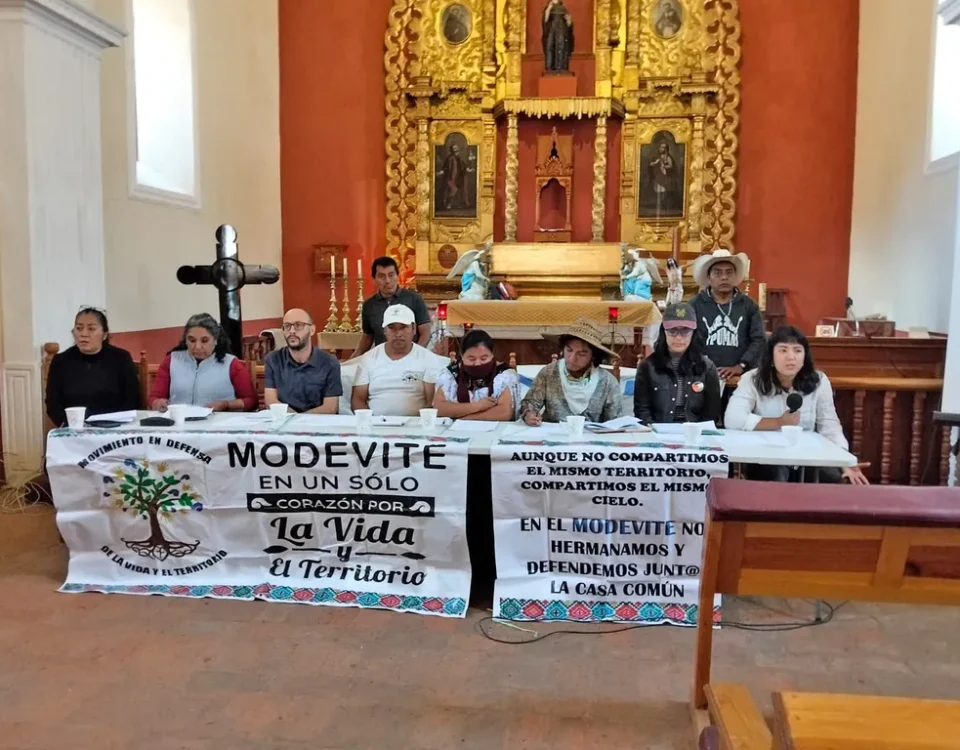
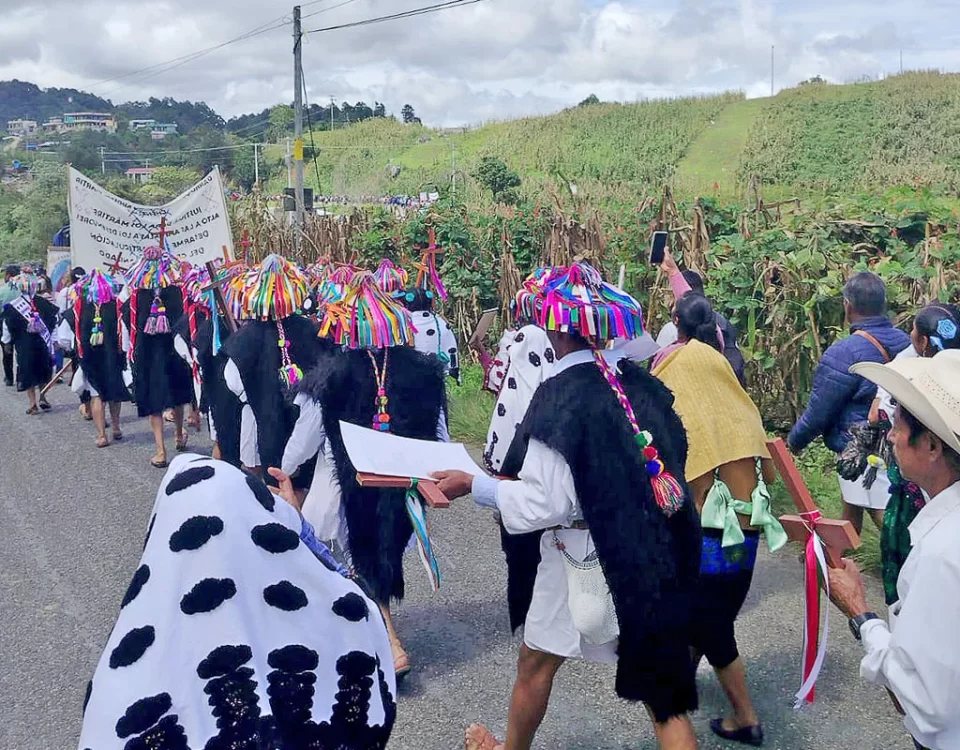
Speaking of peacebuilding in Chiapas means defending human dignity, promoting justice, recognizing and respecting cultural and religious diversity, and creating spaces where differences can be addressed through dialogue and collective organization.
17/09/2026
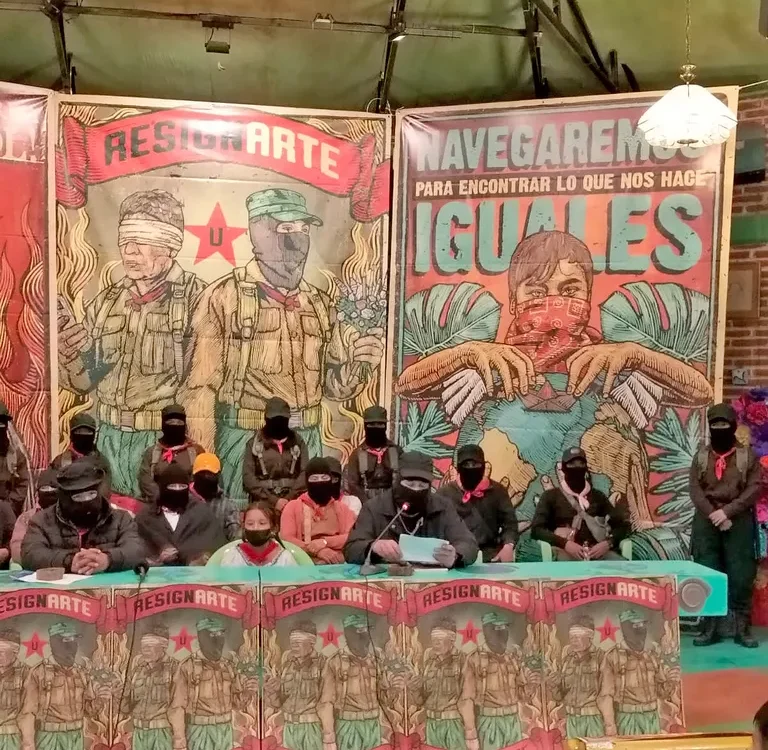
On August 7, the consultation process for the General Law on the Rights of Indigenous and Afro-Mexican Peoples began amid conflicting positions. While the Mexican government—and, in particular, the National Institute of Indigenous Peoples (INPI)—maintains that the process aims to ensure the direct participation of communities in drafting the new legislation, various indigenous peoples and organizations question the way it is being carried out and believe that there has not been sufficiently broad deliberation.
17/09/2026
In June and July, the World Cup turned Mexico into one of the main focal points of international attention.
16/06/2026
16/06/2026
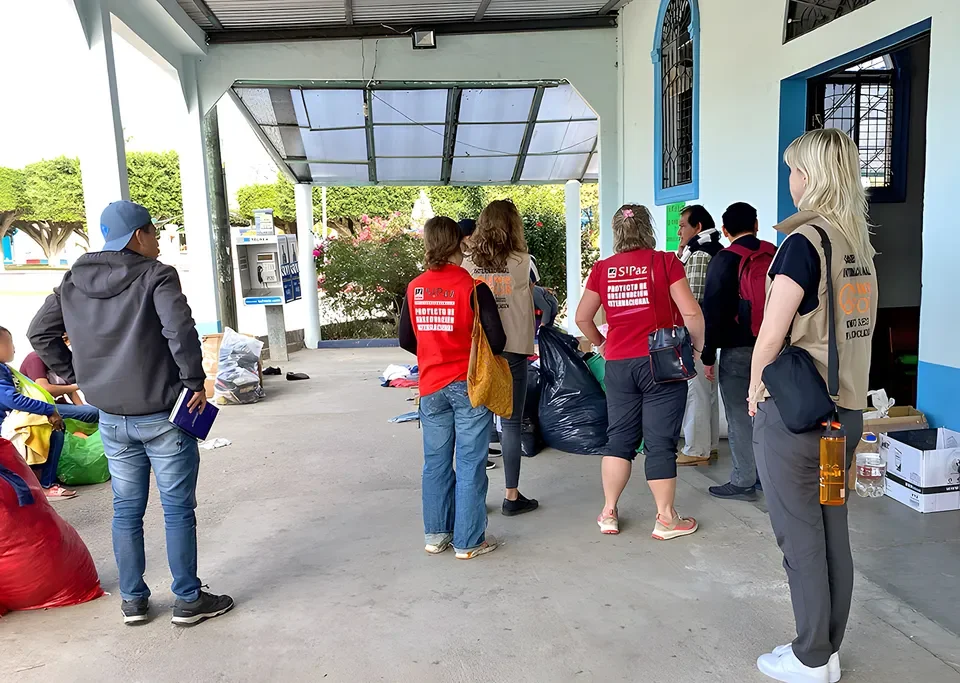
Although the quote with which we opened this article refers to the project of the Civil Peace Camps (CCP) and later the Civil Peace Brigades (BriCOs) developed by the Coordination of Non-Governmental Organizations for Peace (CONPAZ) and by the Fray Bartolome de Las Casas Center for Human Rights (Frayba) in Chiapas after the uprising of the Zapatista Army of National Liberation (EZLN) in 1994, it also refers to the backbone of what a year later was to become the International Service for Peace (SIPAZ): international accompaniment.
16/06/2026
On May 30th, the “Border Region Working Group” (GTRF), a network of civil society organizations of which SIPAZ is a member, publicly presented the report “Chiapas, Pending Peace,” an analysis of the situation of violence and human rights in the Sierra Frontera region of Chiapas during 2025.
16/06/2026
In recent months, the relationship between Mexico and the United States has been marked by cooperation on security and border control, but also by sustained trade tensions and strong concerns regarding human rights.
12/03/2026
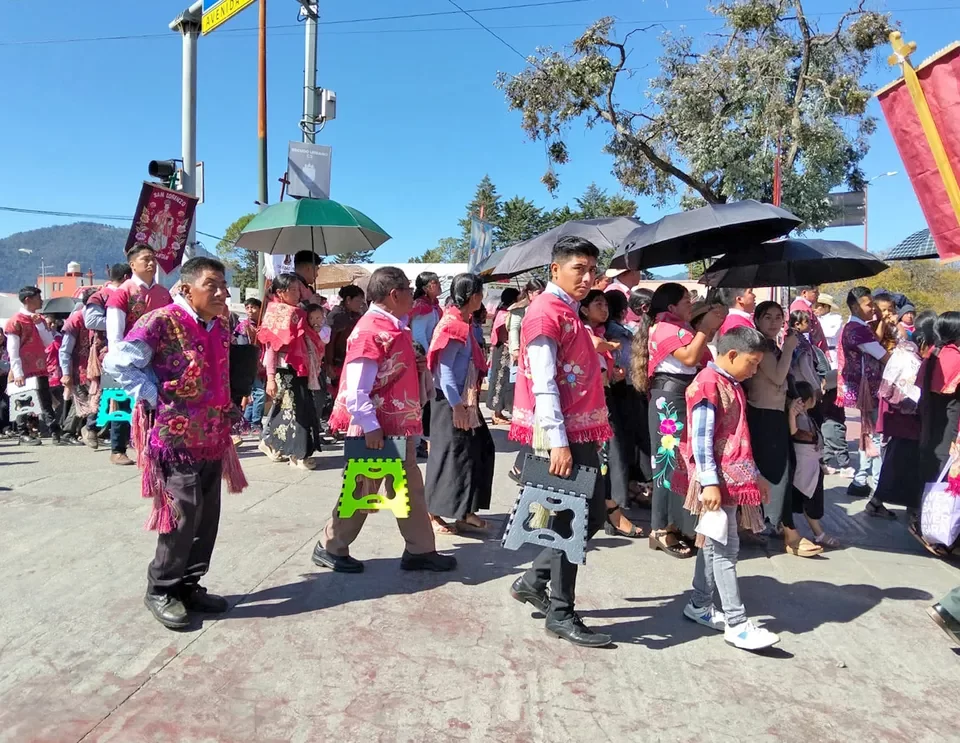
From mid-November 2025 to mid-February 2026
12/03/2026
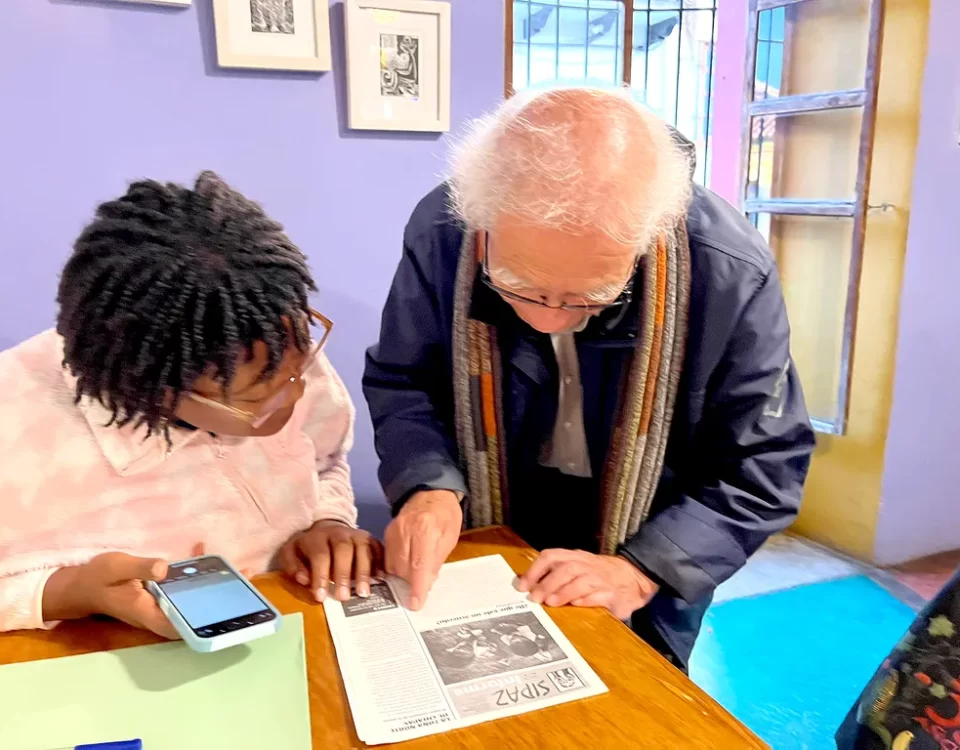
In commemoration of our 30th anniversary, we decided to sit down with people who have encountered SIPAZ along the way. One of them is Jorge Santiago Santiago, a renowned human rights defender, theologian, and pastoral advisor in Chiapas.
12/03/2026
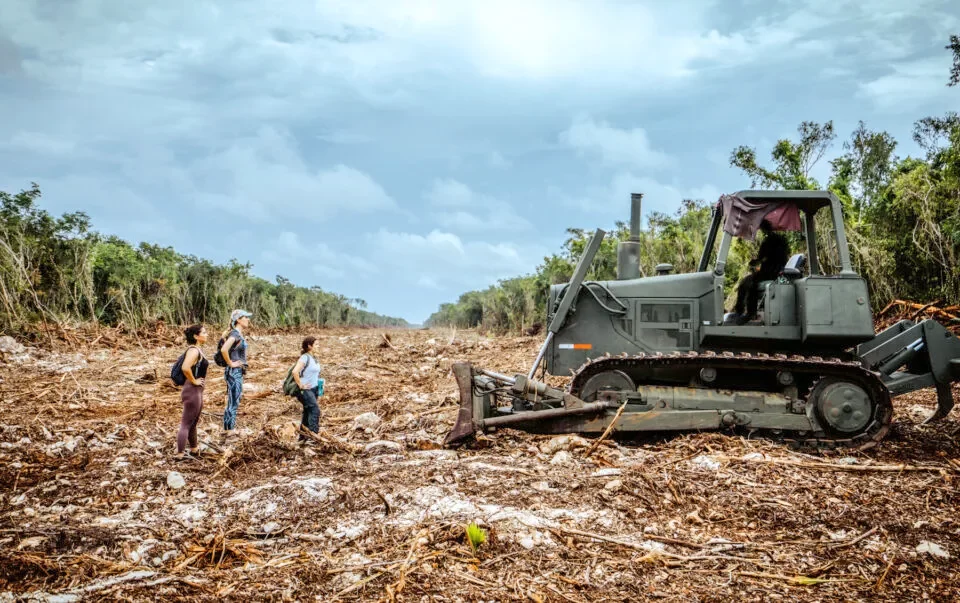
Over the past two decades, Mexico has promoted large infrastructure projects under the guise of regional development, modernization, and well-being.
12/03/2026
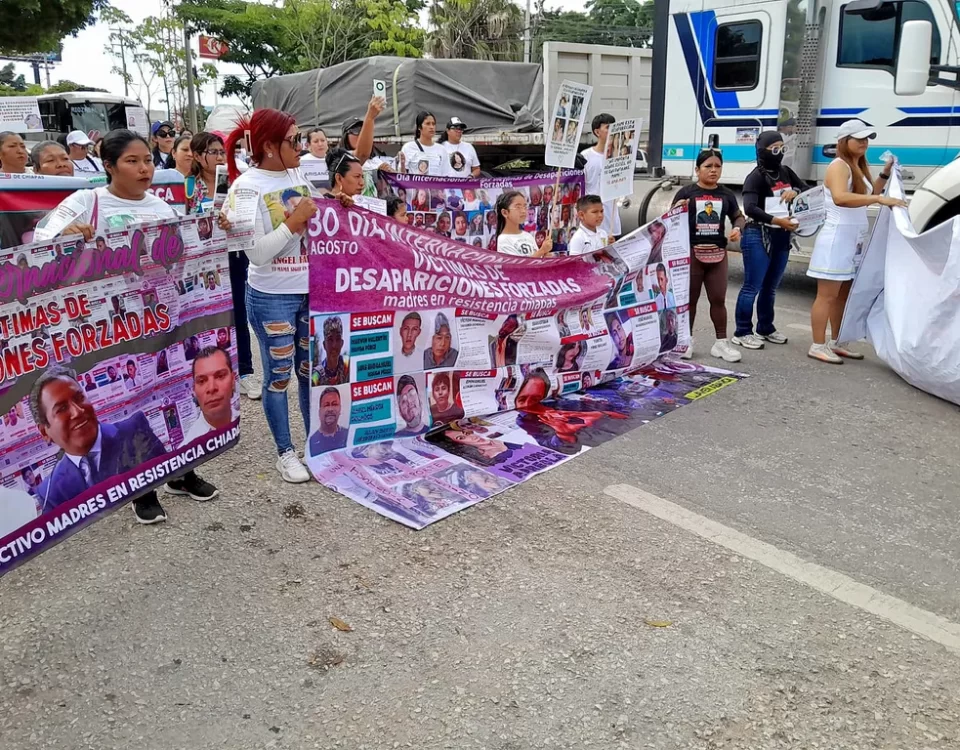
Migration and border security have been central issues in relations between Mexico and the United States, although they don't always appear in the news spotlight. Historically, they have influenced the tone of the relationship and represent a significant element of pressure on Mexico.
12/01/2026
12/01/2026
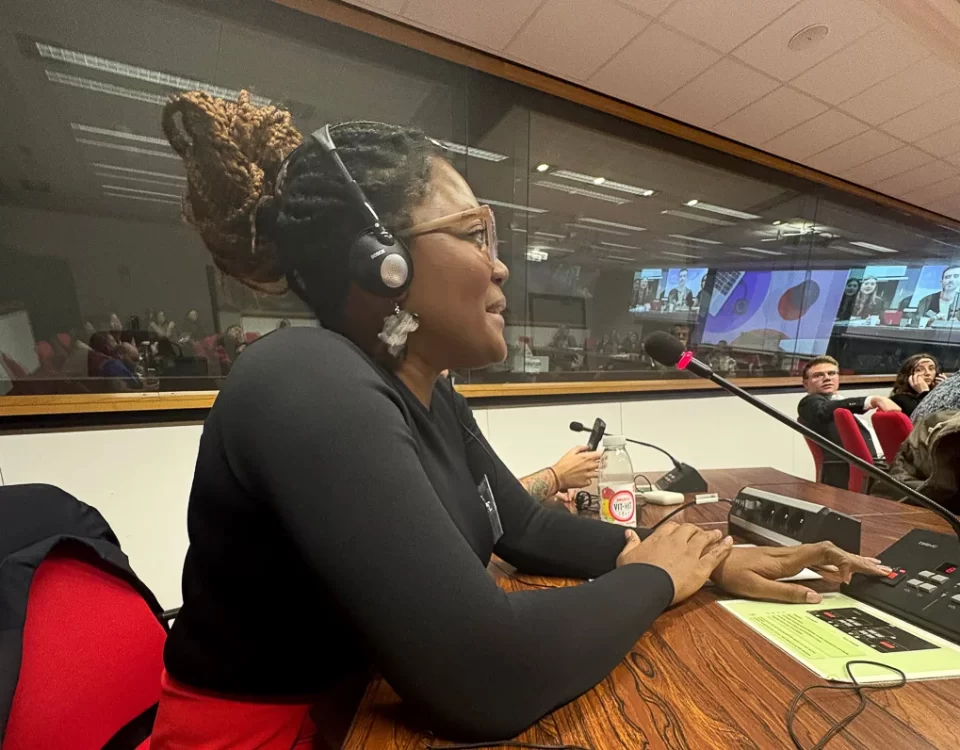
This year, two events relevant to young people working for peacebuilding and for a society where human rights are a reality, and where a dignified life free from violence can be lived, took place. SIPAZ had the privilege of participating in these events during November: the Peace Forum in Paris and the Second Youth Conference for Peace and Security in Brussels.
12/01/2026
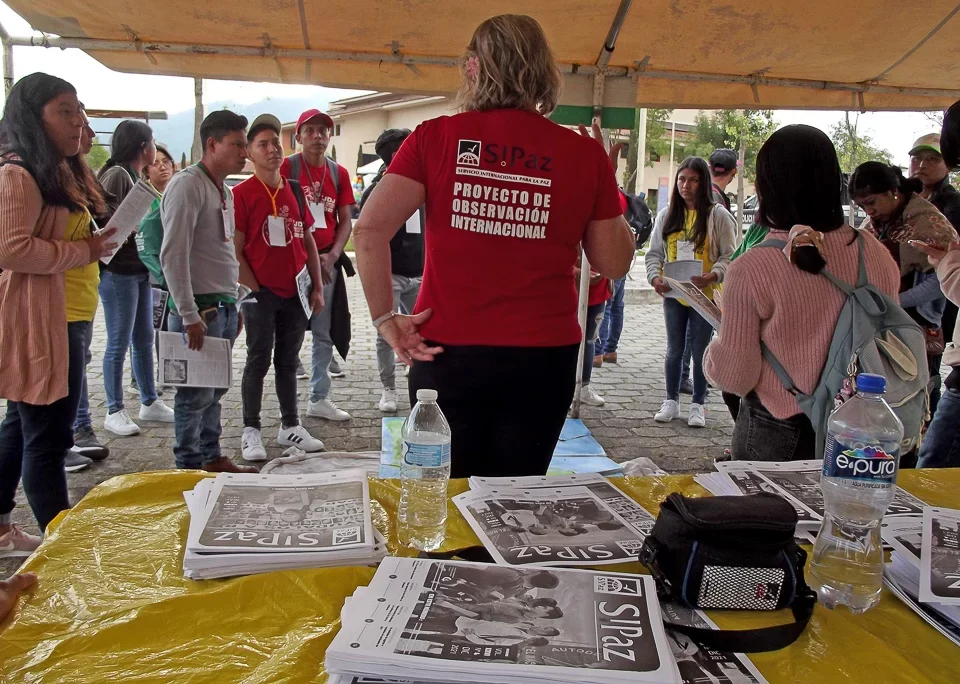
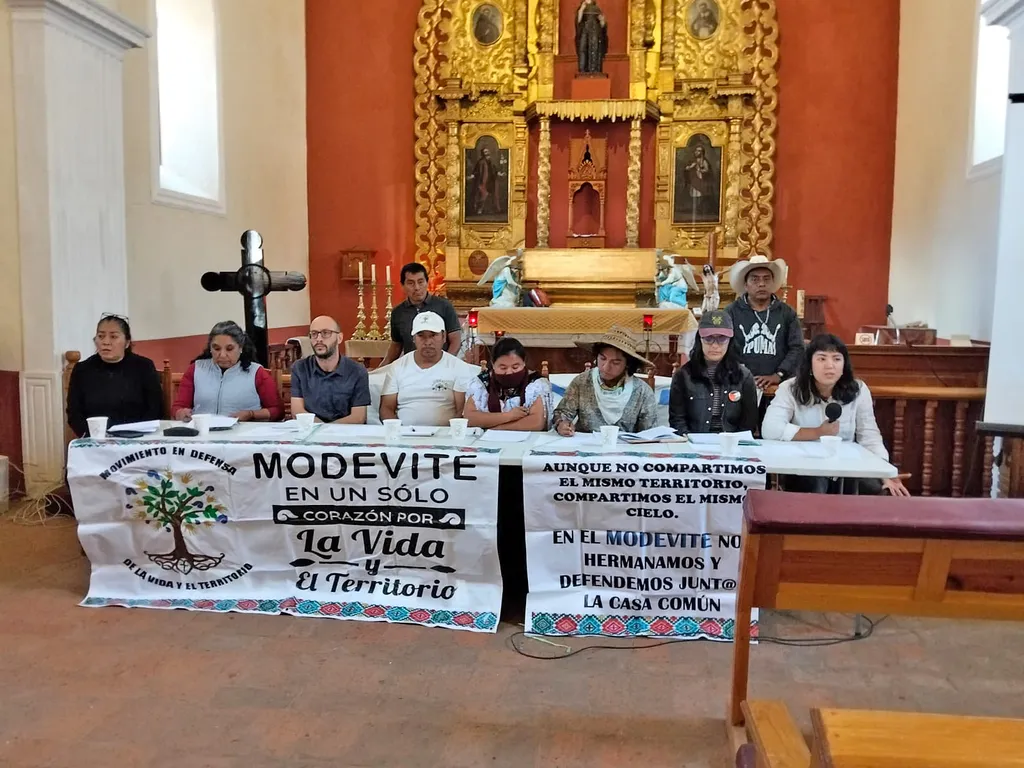
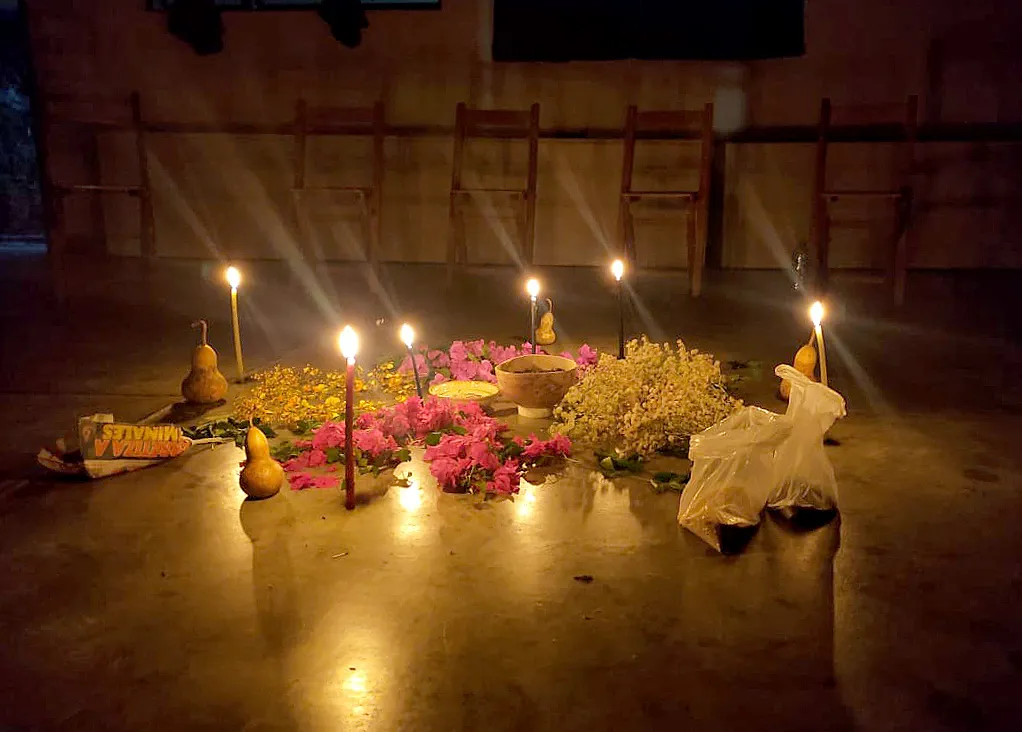
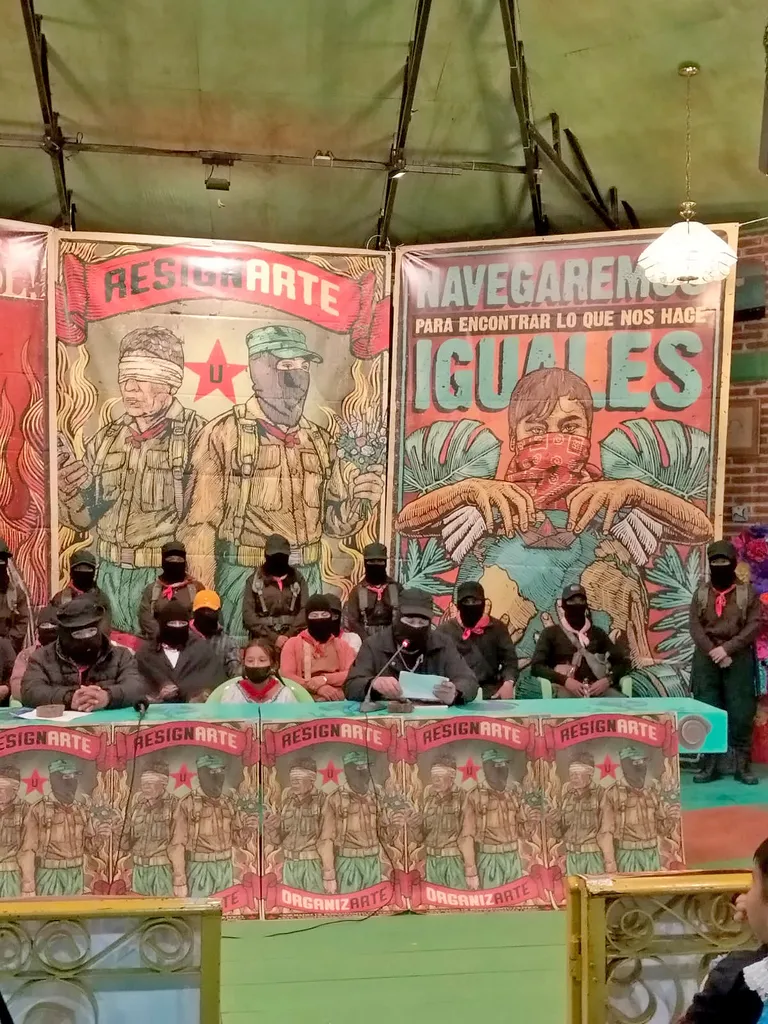
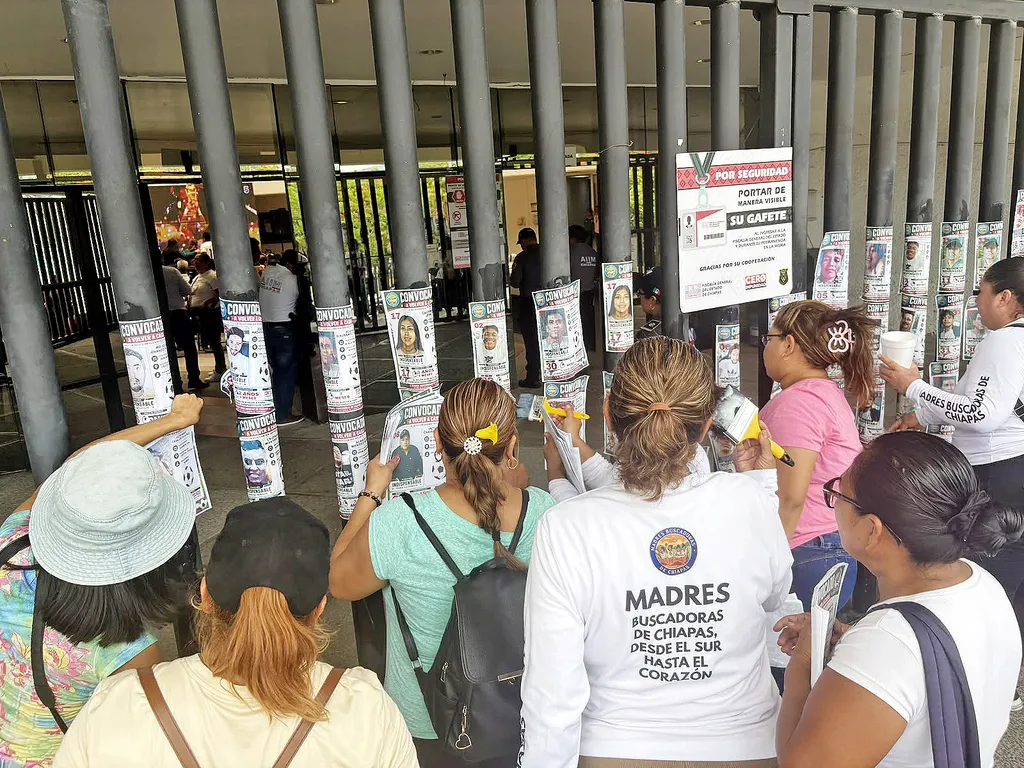
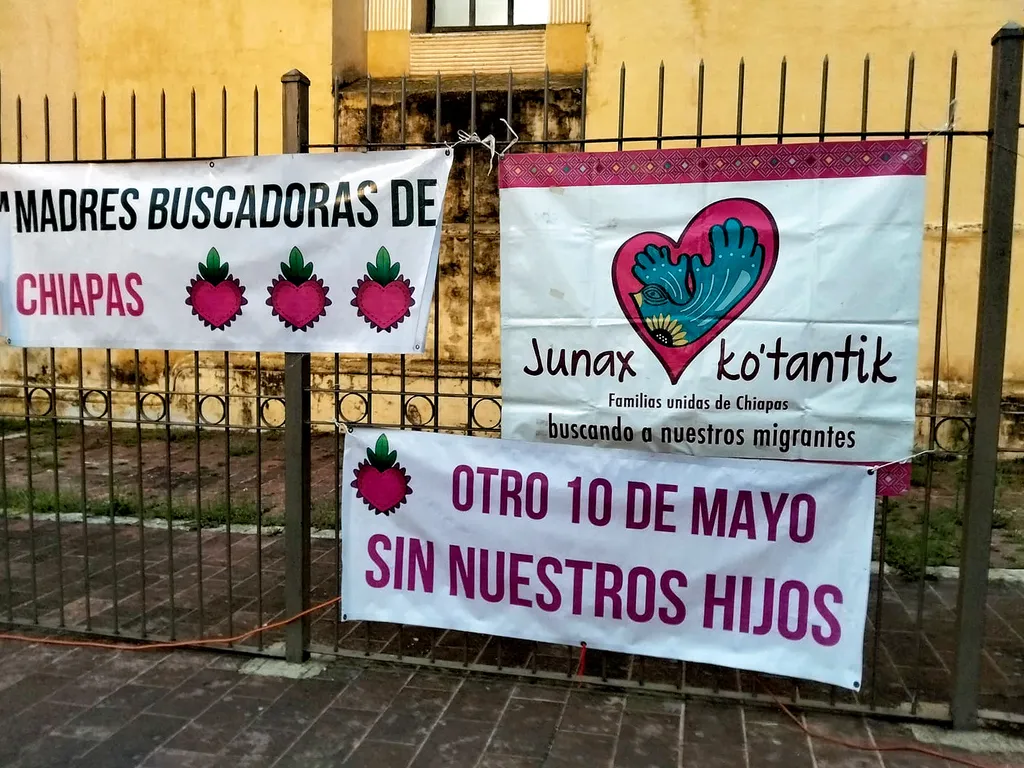
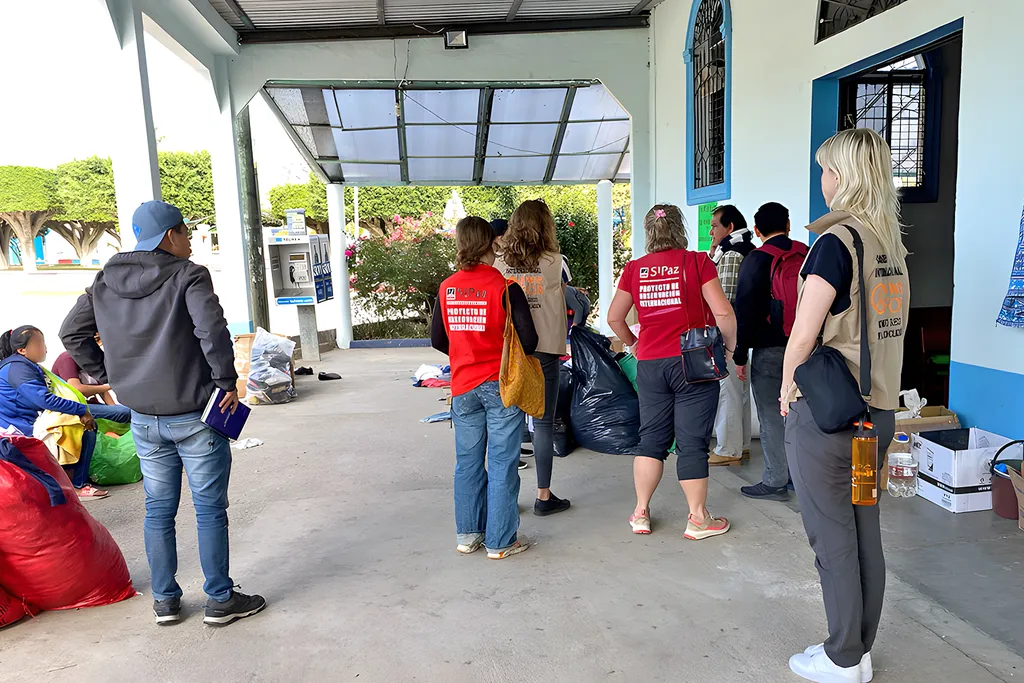
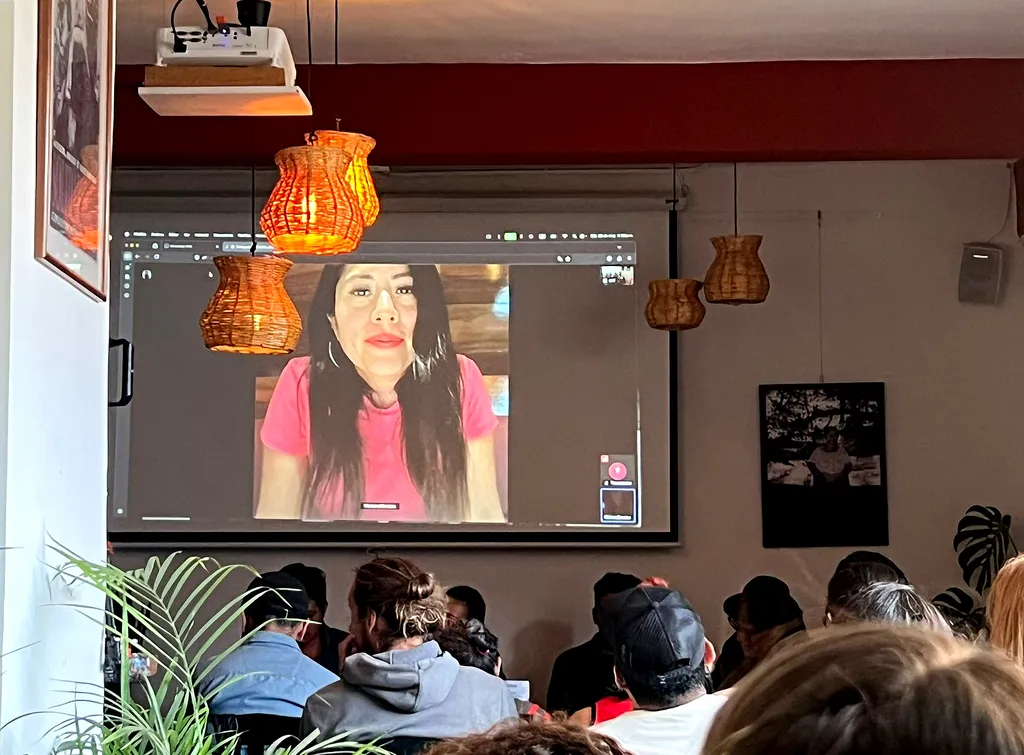
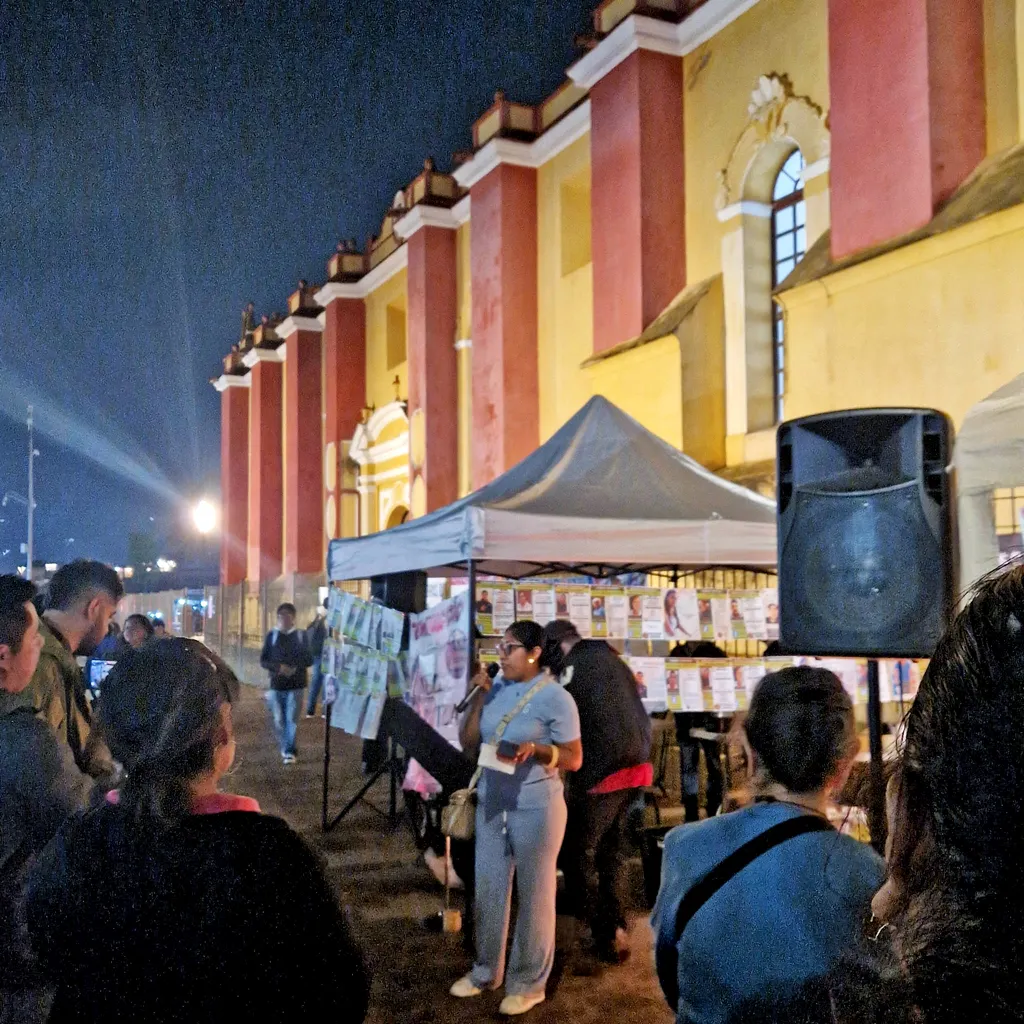
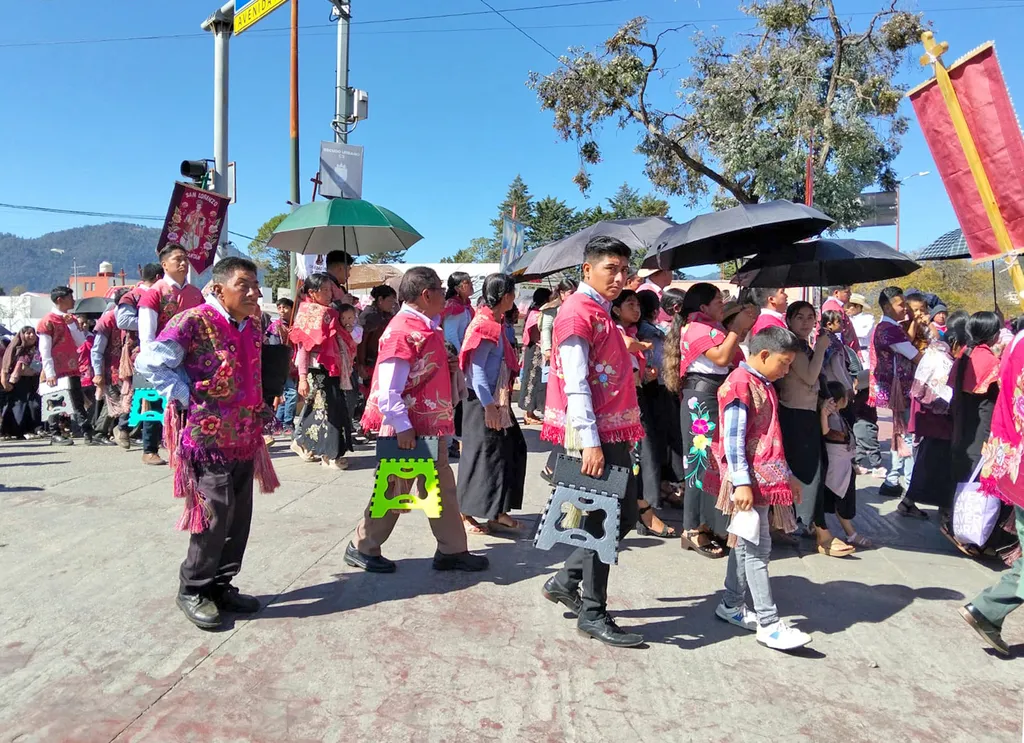
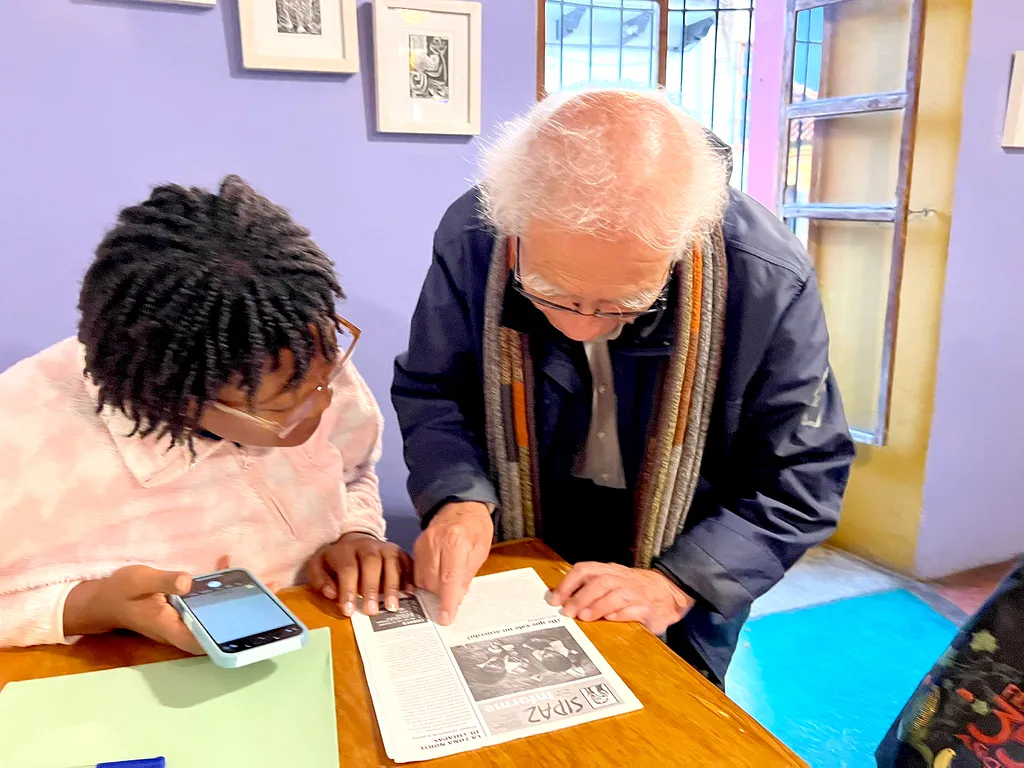
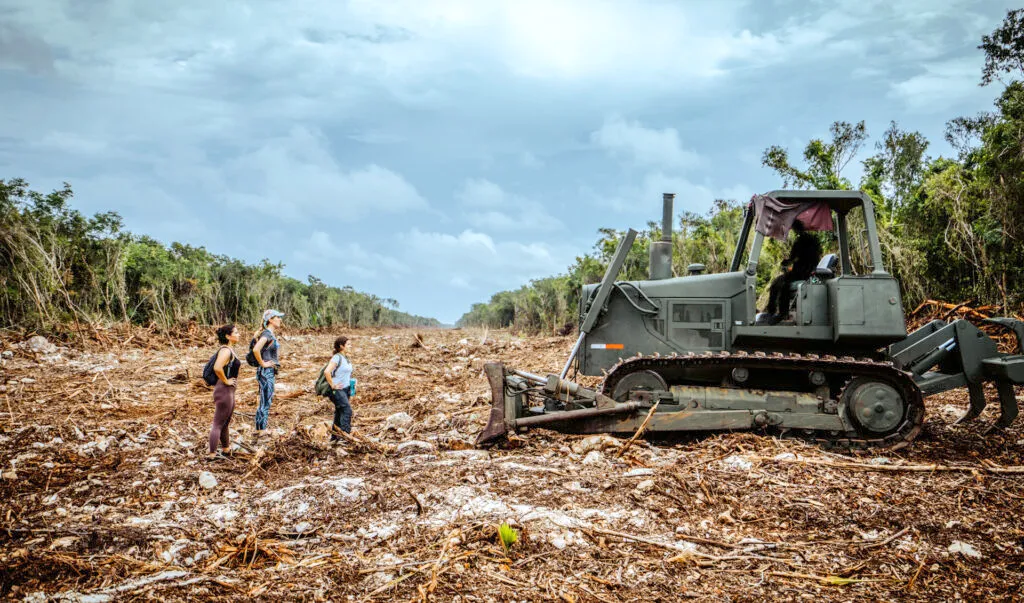
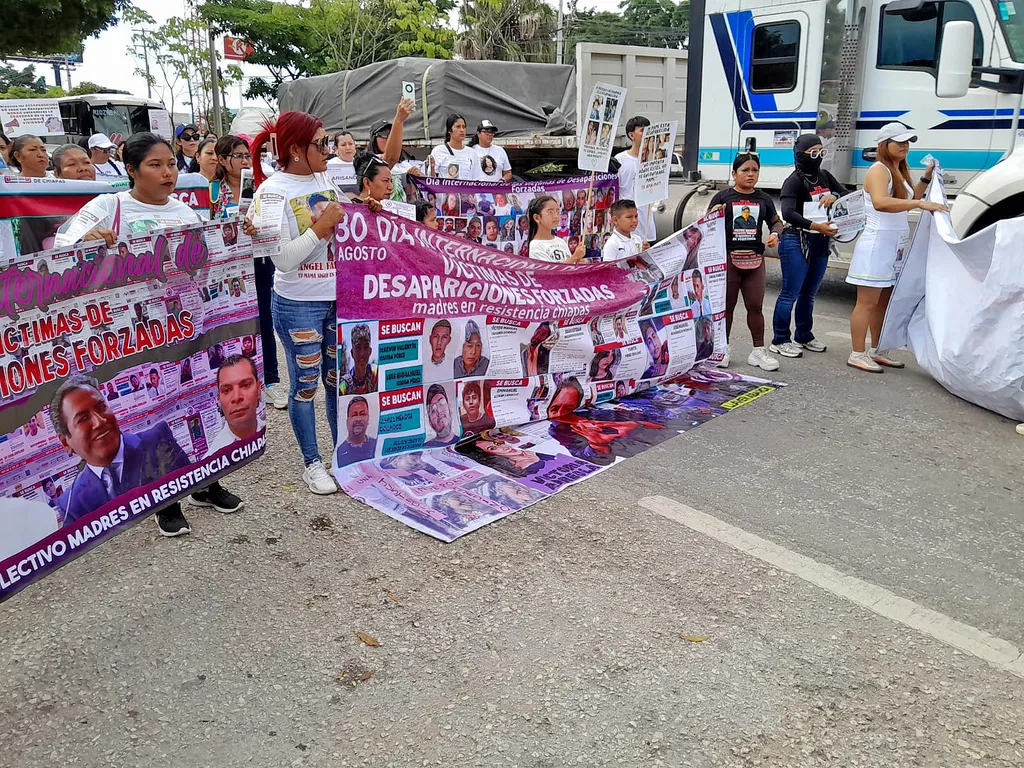
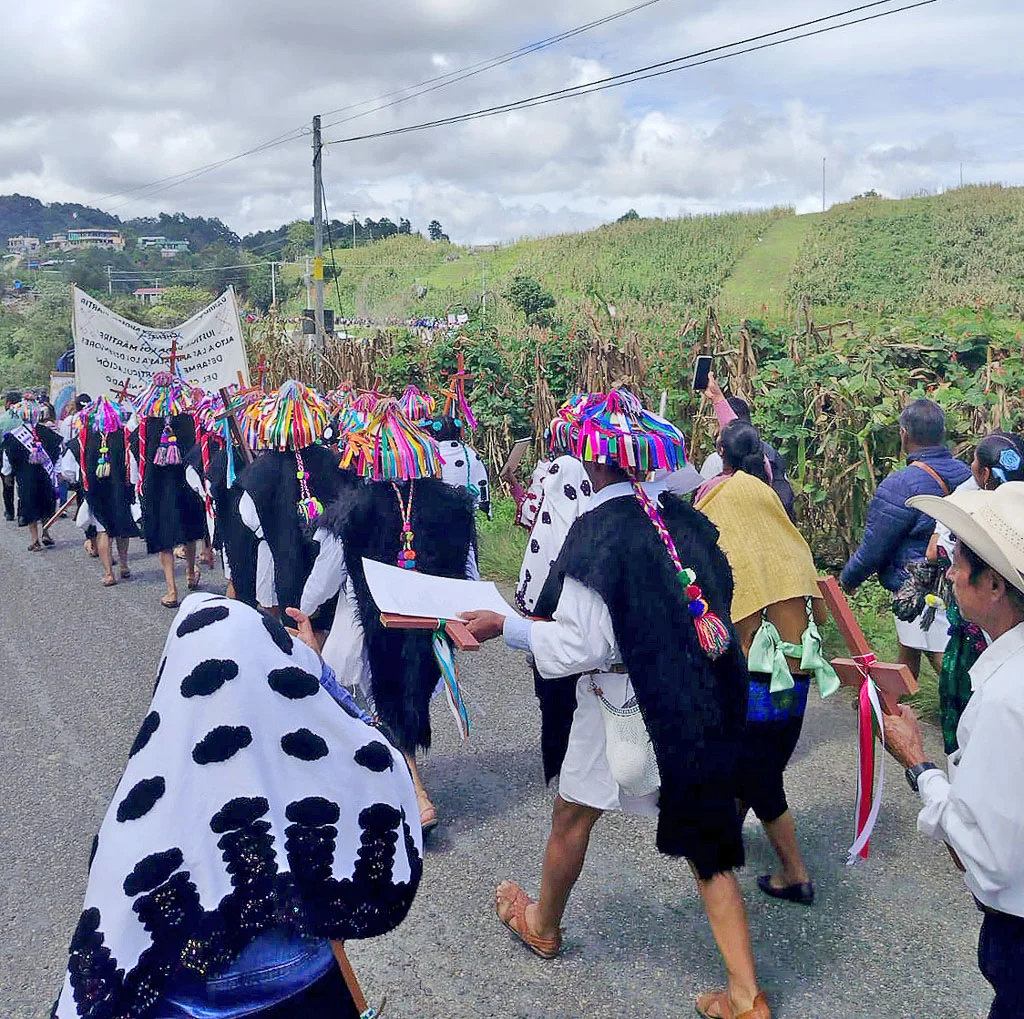


This year, 2025, SIPAZ - International Service for Peace - celebrates three decades of unwavering work for nonviolence, respect for human rights, and peacebuilding in Chiapas.
12/01/2026
On September 1st, President Claudia Sheinbaum Pardo presented her First Government Report. Among the achievements, she highlighted that Mexico was better positioned than other countries in the face of the new tariffs imposed by US President Donald Trump: “Mexico has the lowest average percentage of tariffs in the world, and we continue working with the various government ministries of our neighboring country. We are convinced that, within the framework of the Trade Agreement, we can achieve even better conditions.”