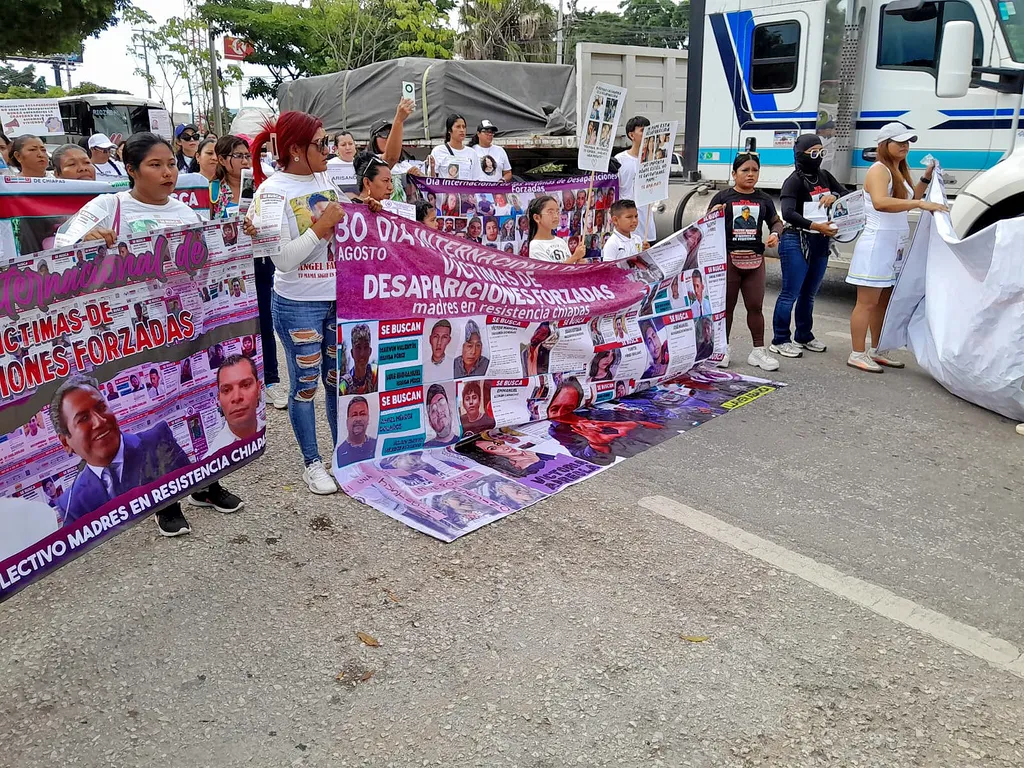
In recent months, the relationship between Mexico and the United States has been marked by cooperation on security and border control, but also by sustained trade tensions and strong concerns regarding human rights.
Migration and border security have been central issues in relations between Mexico and the United States, although they don't always appear in the news spotlight. Historically, they have influenced the tone of the relationship and represent a significant element of pressure on Mexico.
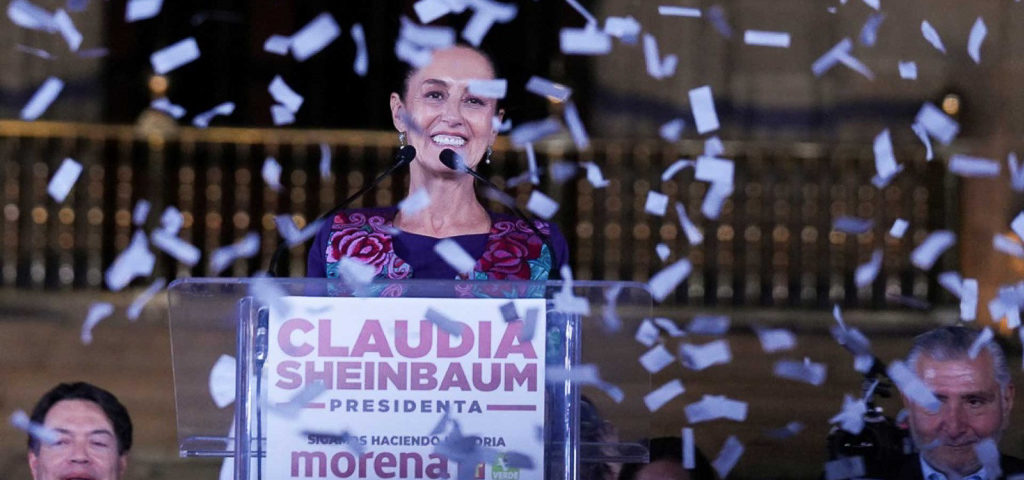
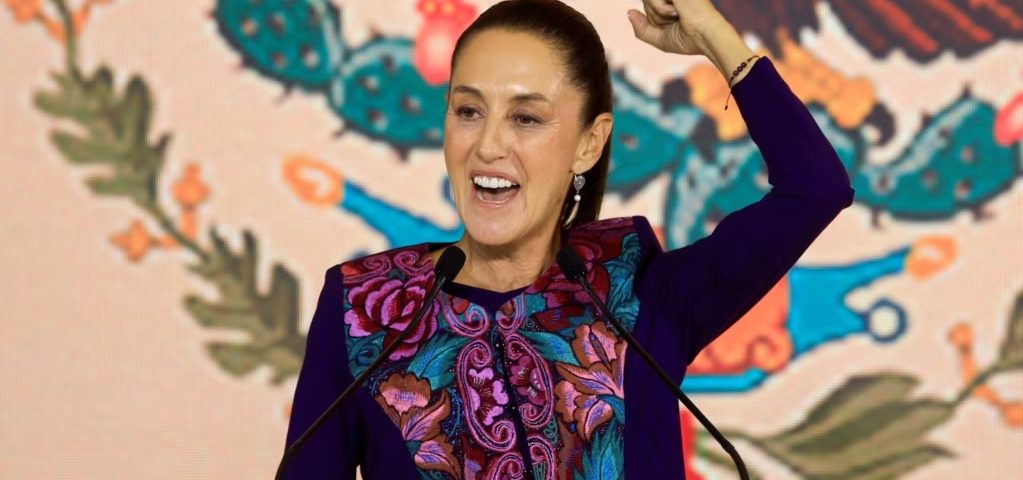
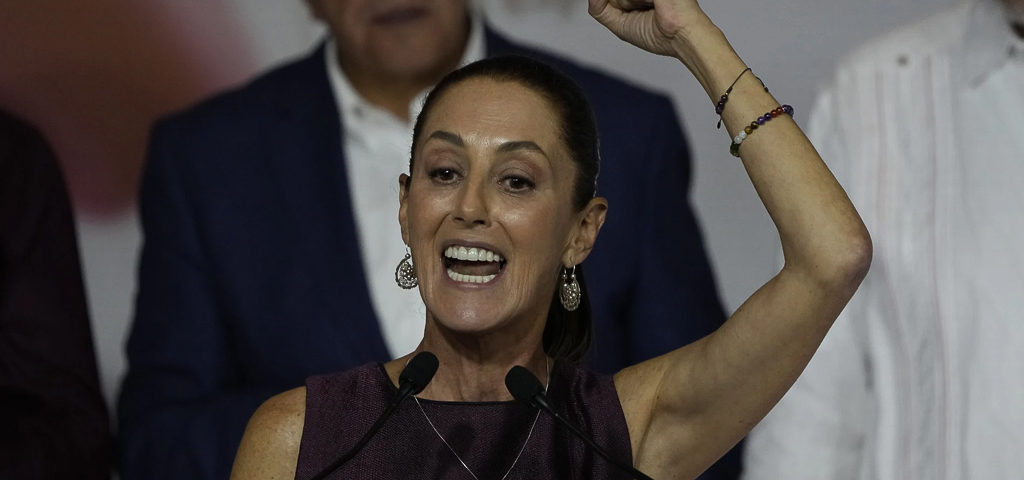
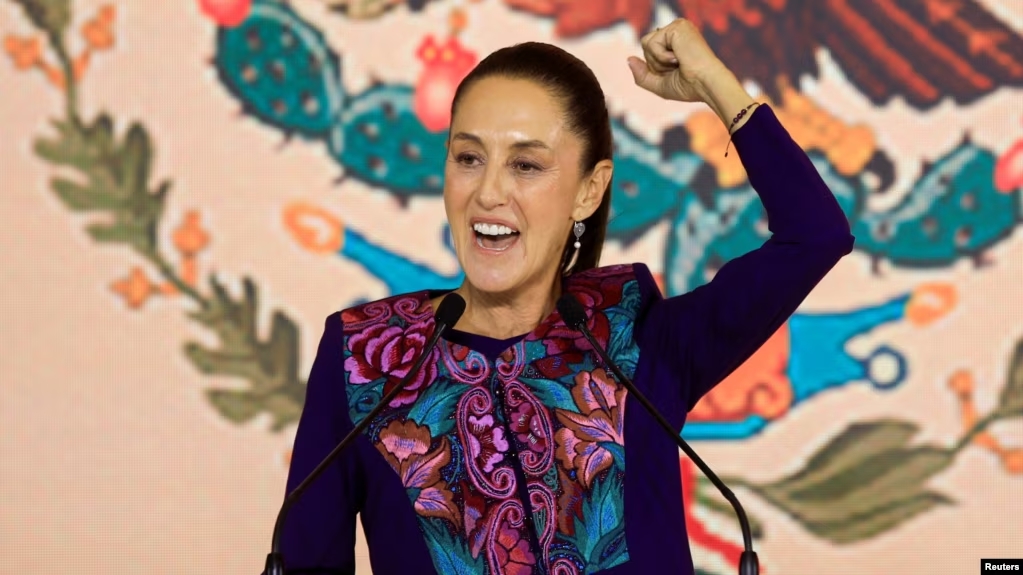
On September 1st, President Claudia Sheinbaum Pardo presented her First Government Report. Among the achievements, she highlighted that Mexico was better positioned than other countries in the face of the new tariffs imposed by US President Donald Trump: “Mexico has the lowest average percentage of tariffs in the world, and we continue working with the various government ministries of our neighboring country. We are convinced that, within the framework of the Trade Agreement, we can achieve even better conditions.”
On June 2nd, Claudia Sheinbaum was elected Mexico’s first female president, gaining a 30-point lead over candidate Xochitl Galvez (PRI, PAN, and PRD, historic parties in Mexico).
In March, the High Commissioner for Human Rights of the United Nations (UN), Volker Türk, said that the electoral process underway in Mexico “must be safeguarded from violence.” On June 2nd, these elections will lead to the appointment of more than 20,000 public officials, including the head of state, as well as members of both chambers of Congress and a wide range of representatives and state and local authorities.