In recent months, the relationship between Mexico and the United States has been marked by cooperation on security and border control, but also by sustained trade tensions and strong concerns regarding human rights.
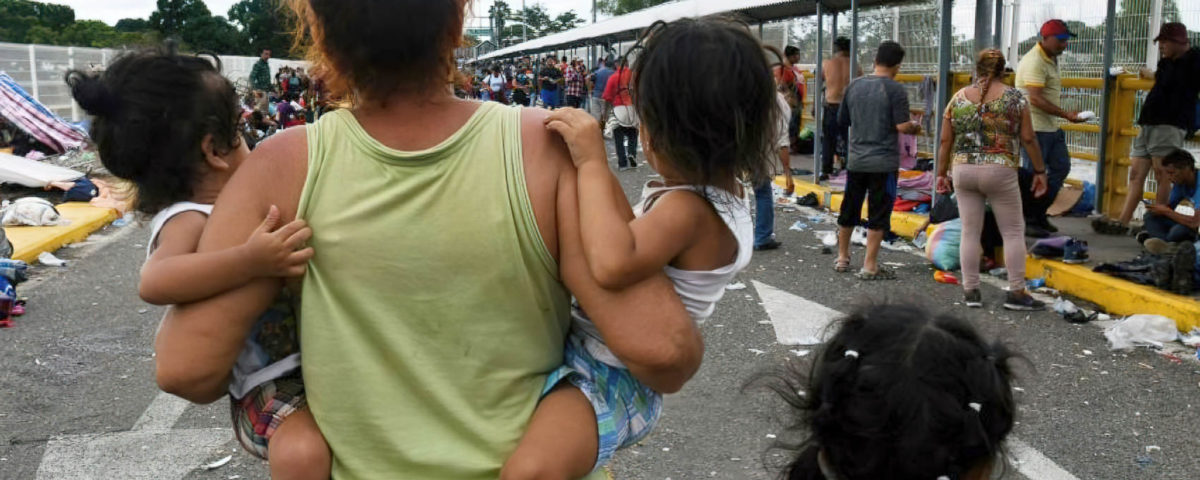
Migration and border security have been central issues in relations between Mexico and the United States, although they don't always appear in the news spotlight. Historically, they have influenced the tone of the relationship and represent a significant element of pressure on Mexico.
On September 1st, President Claudia Sheinbaum Pardo presented her First Government Report. Among the achievements, she highlighted that Mexico was better positioned than other countries in the face of the new tariffs imposed by US President Donald Trump: “Mexico has the lowest average percentage of tariffs in the world, and we continue working with the various government ministries of our neighboring country. We are convinced that, within the framework of the Trade Agreement, we can achieve even better conditions.”
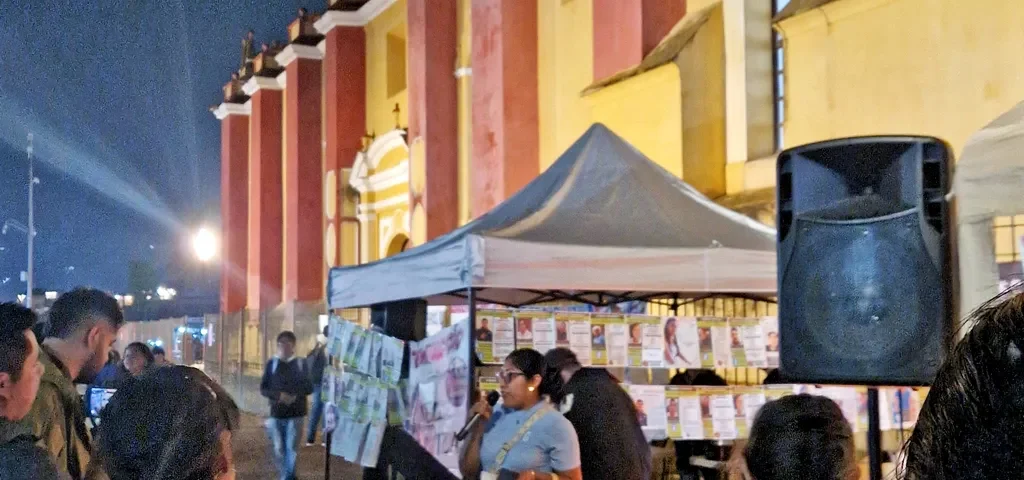
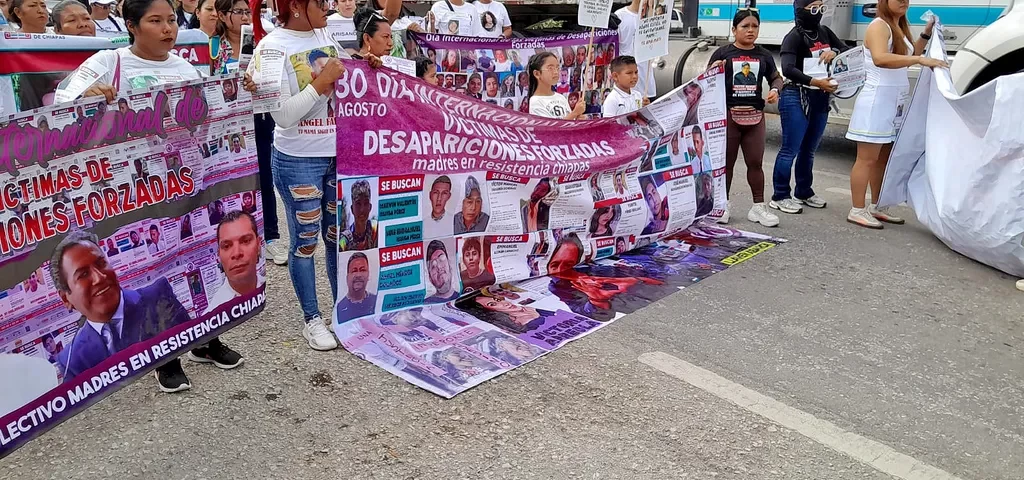
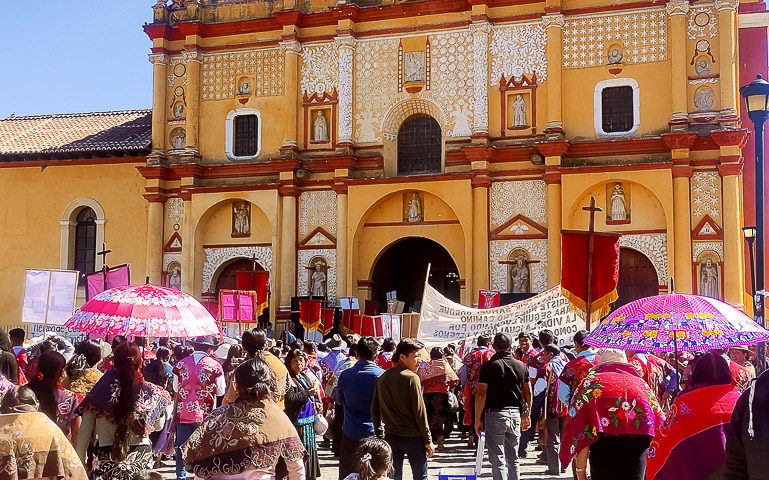
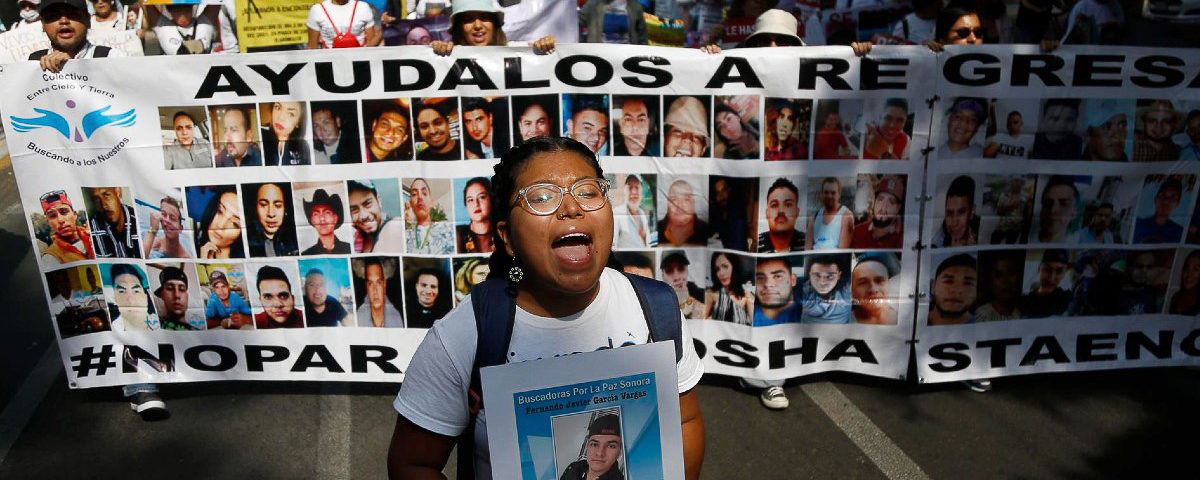
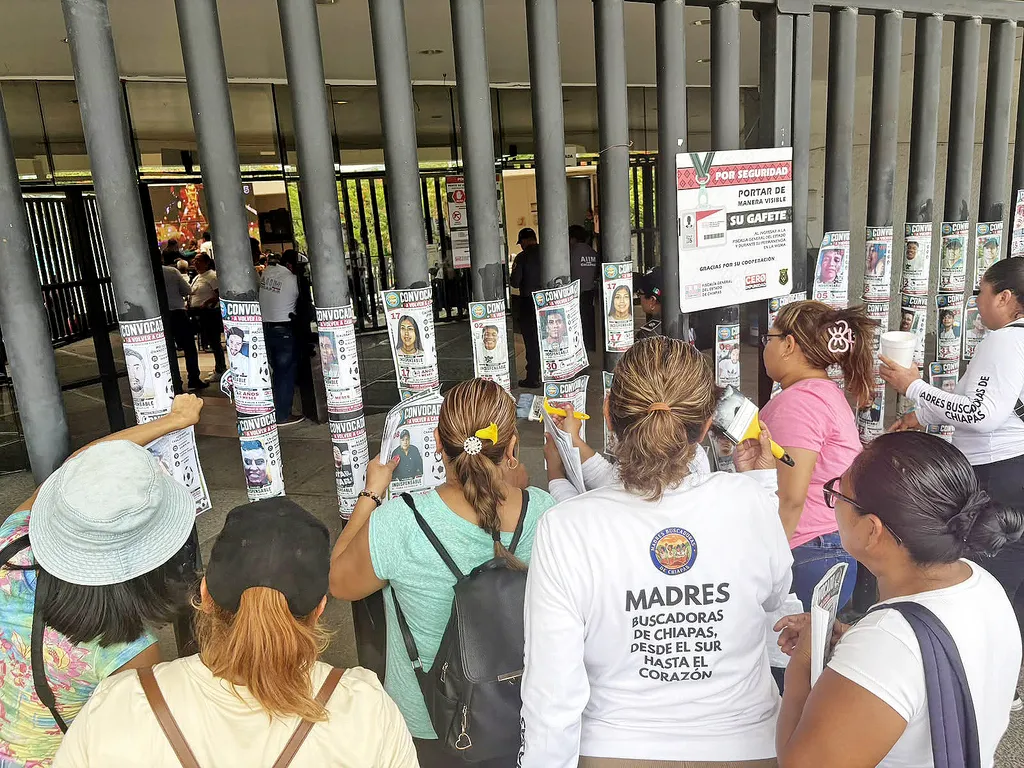
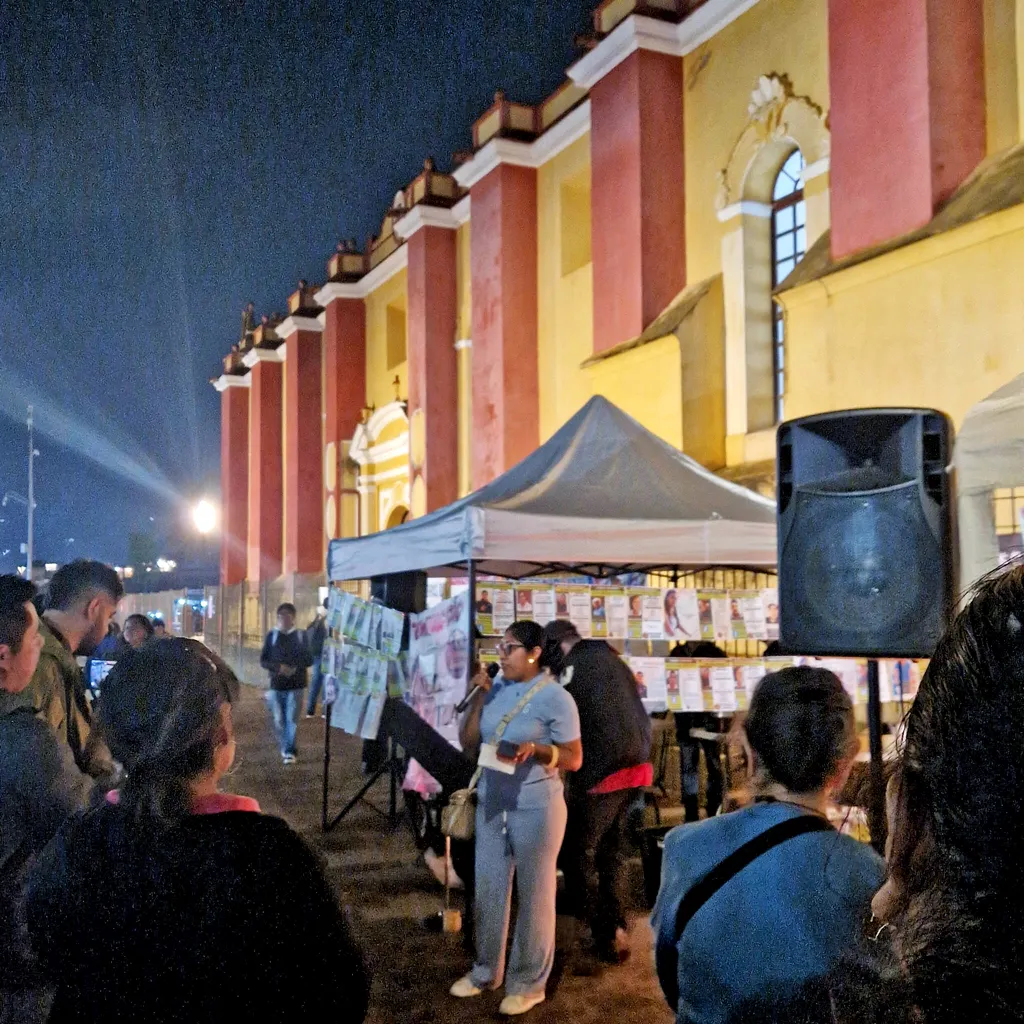
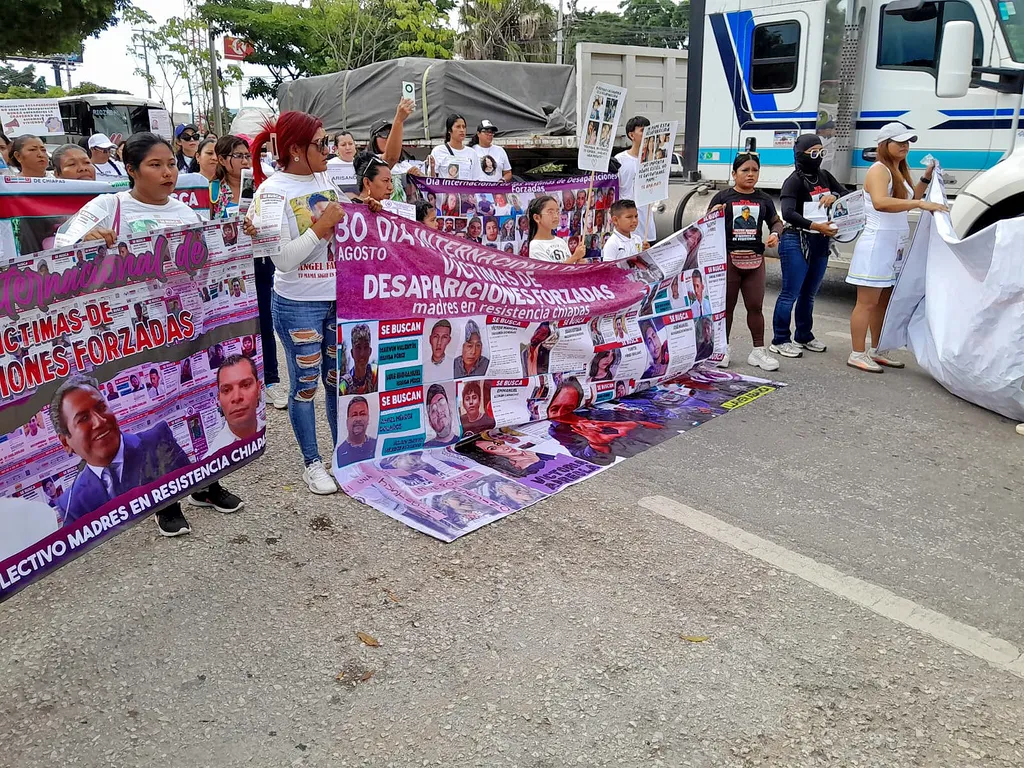
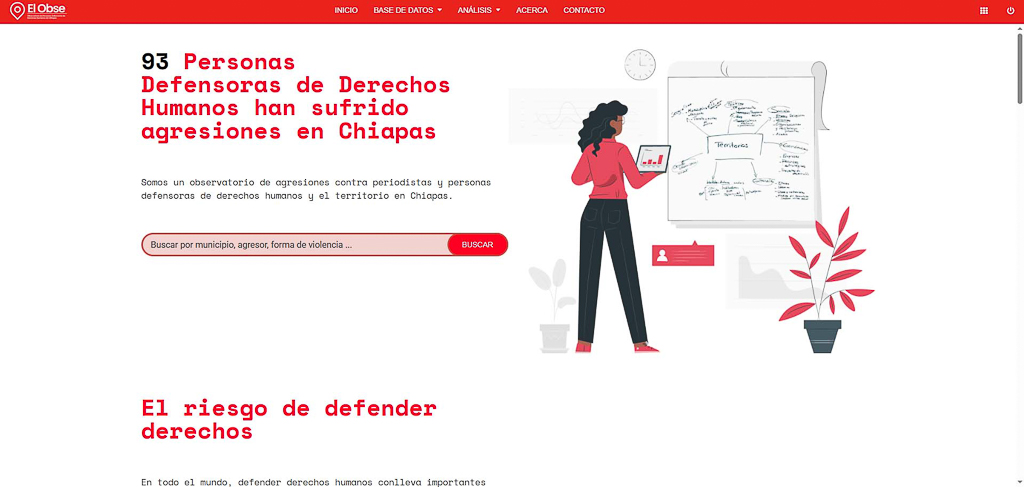
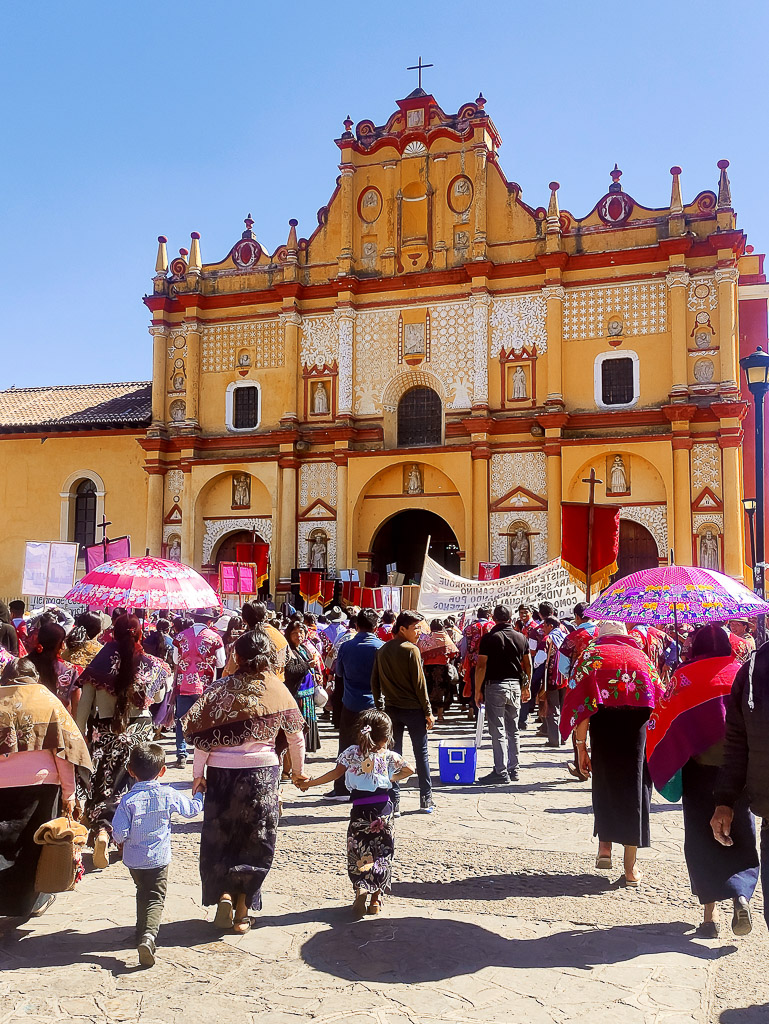
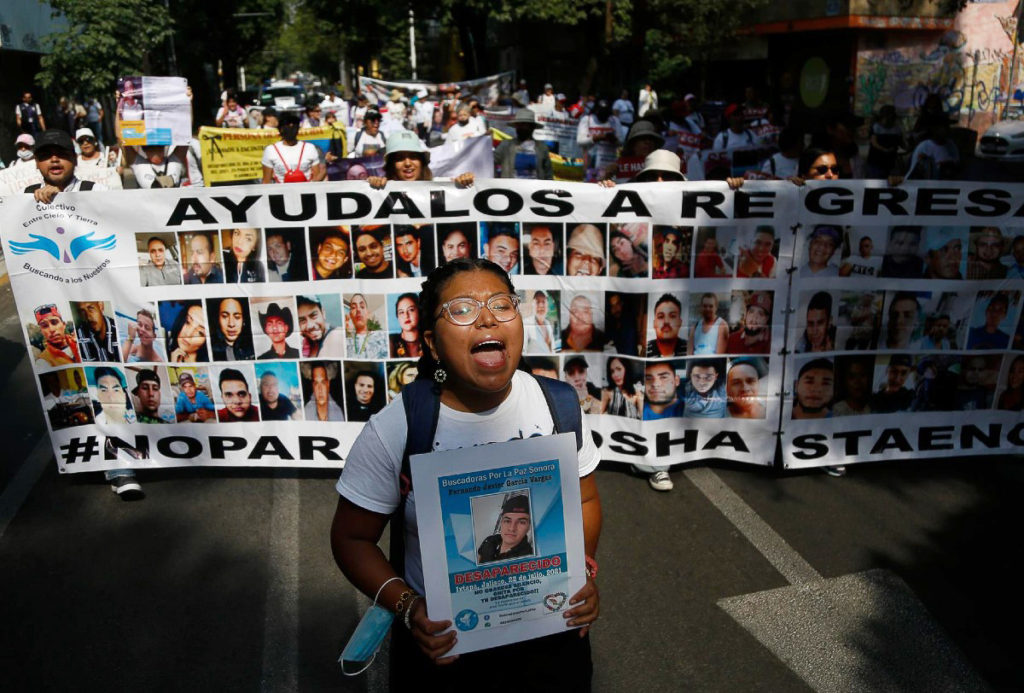
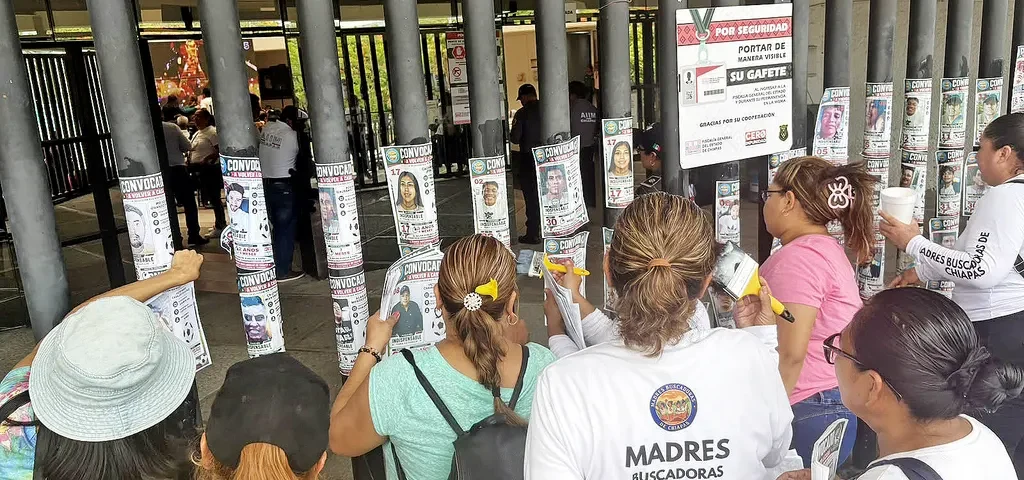
The situation in Chiapas presents a panorama marked by serious human rights violations. In recent years, the state has experienced an alarming increase in forced displacement, disappearances, the presence of armed groups, drug and human trafficking, and political violence.
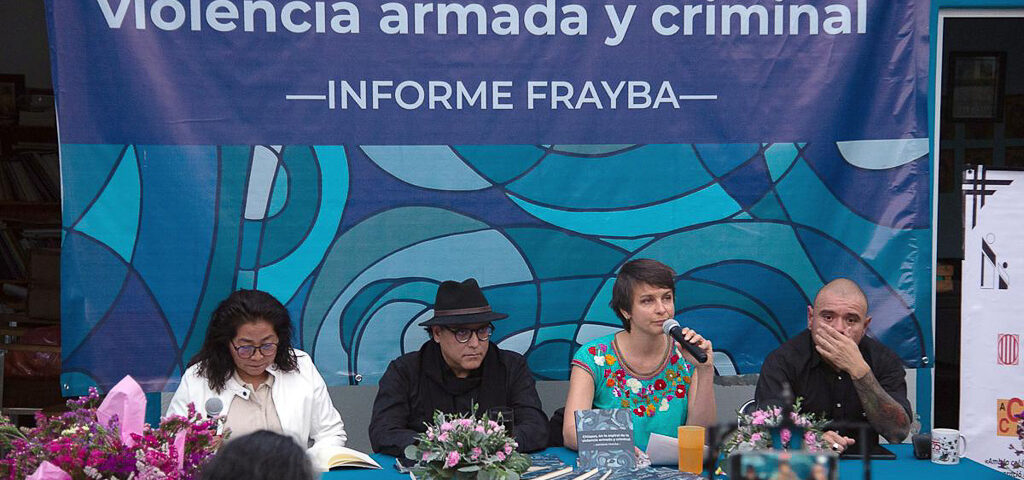
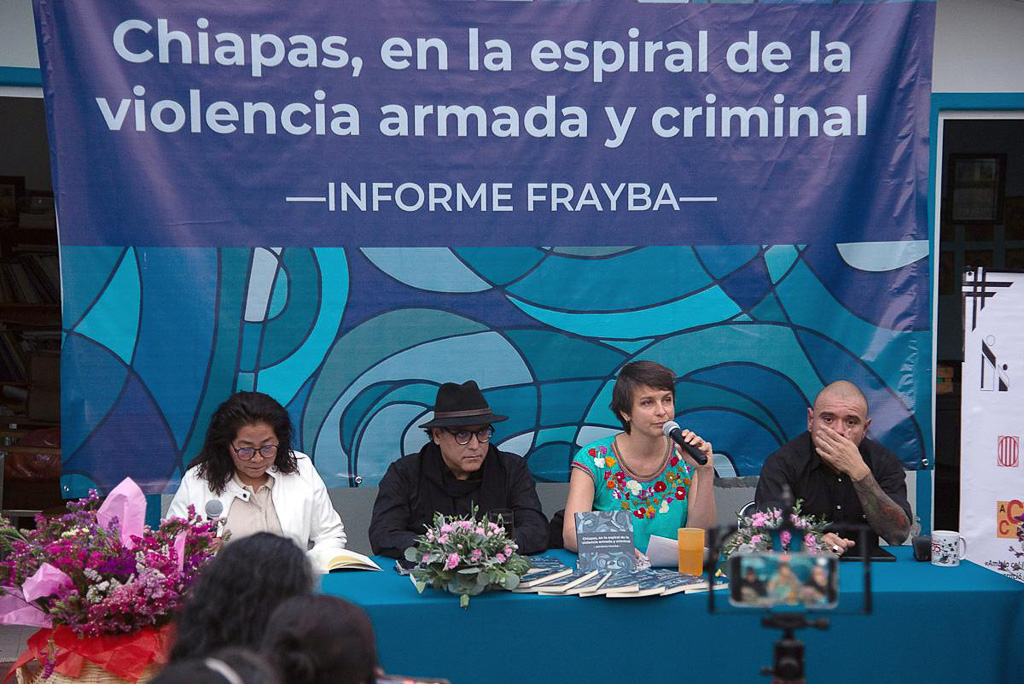
On March 19th, in the framework of its 36th anniversary, the Fray Bartolome de las Casas Center for Human Rights (Frayba) presented its report "Chiapas, in the Spiral of Armed and Criminal Violence (Between Governmental Chaos, Organized Crime and the Paths of Struggle and Resistance)", which aims to leave a record of what happened in the state during the period from January 2023 to June 2024.
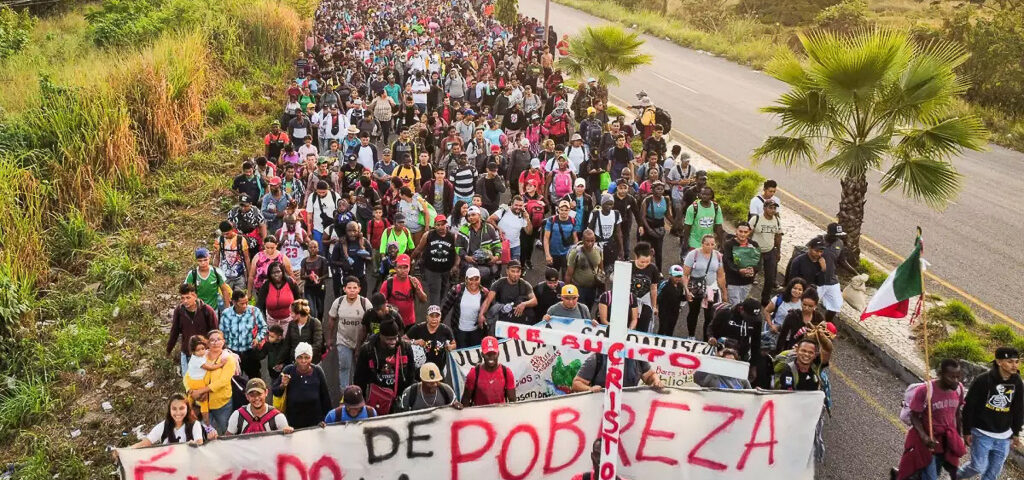
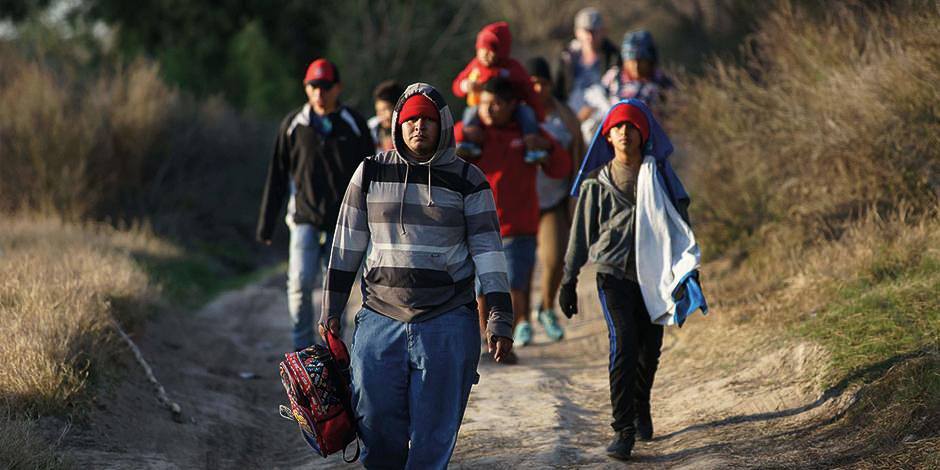
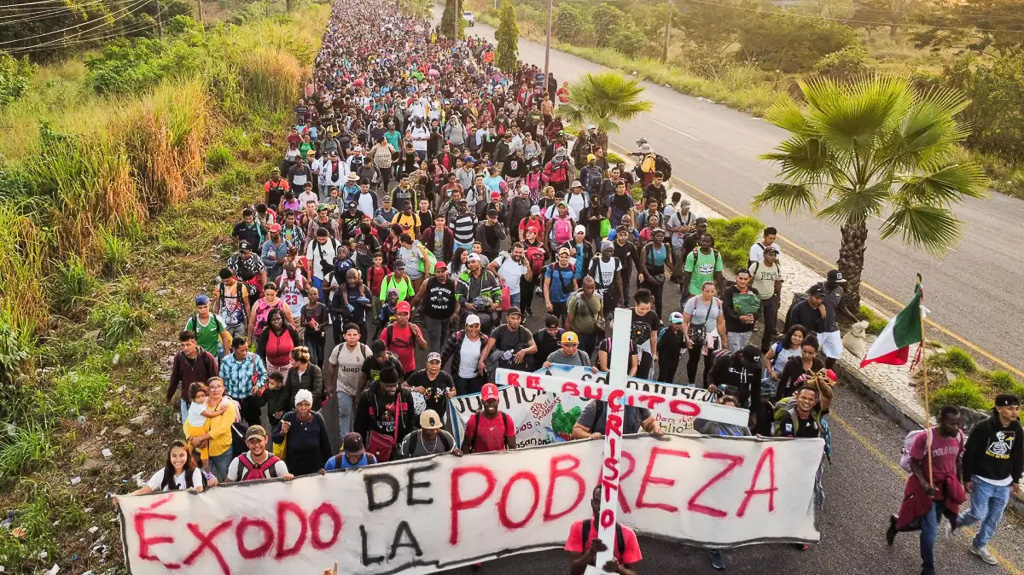
The elections in the United States revive the saying: “Poor Mexico, so far from God, so close to the United States.” The elected candidate, Donald Trump, has declared that he will impose a 25% tariff war against Mexico if Claudia Sheinbaum’s government fails to contain the flow of migrants and fentanyl trafficking across the 3,000 kilometers of border that both countries share.
In January, the report “Voting Under Fire: Understanding Political-Criminal Violence in Mexico” was presented, which documents that in 2023 there were 574 incidents of political-criminal violence. 264 of them were against public officials or candidates for elected office, says Data Civica, the consulting firm behind the report.
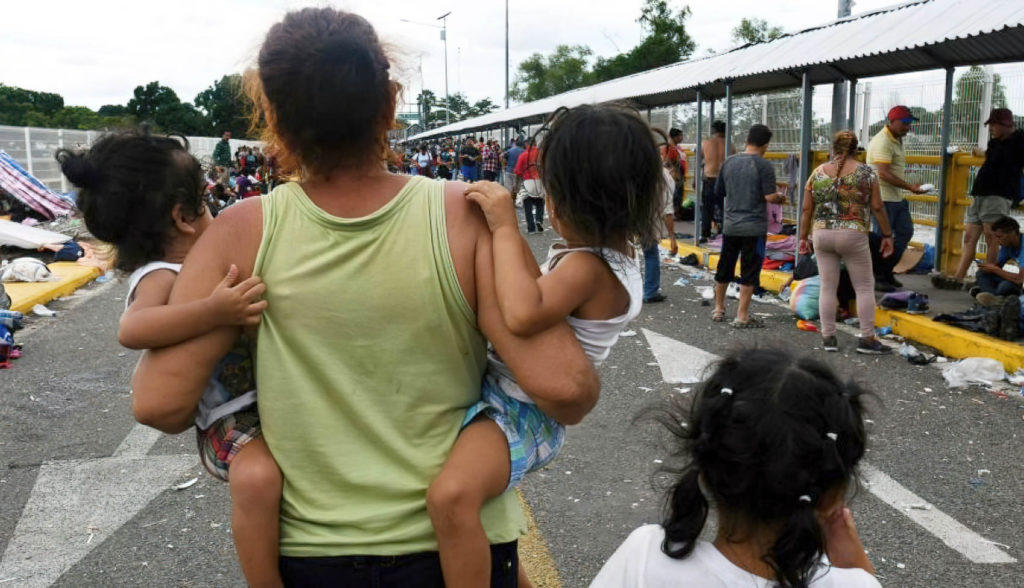
Every June 20th, World Refugee Day is celebrated, in a context in which, according to data provided by the United Nations (UN), twenty-four individuals leave their homes every minute, escaping war conflicts, persecutions or horror situations.
In what has come to be characterized as a human rights crisis in Mexico, there are many thematic axes in which no significant progress has been seen to date.
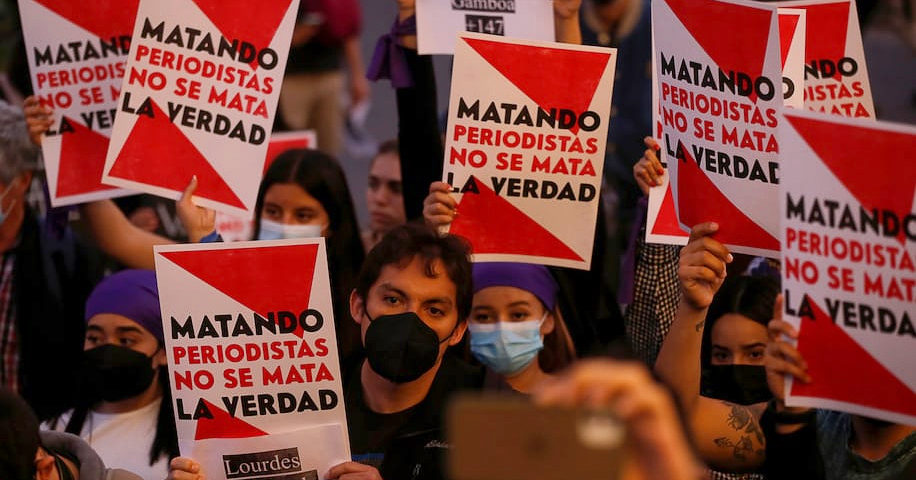
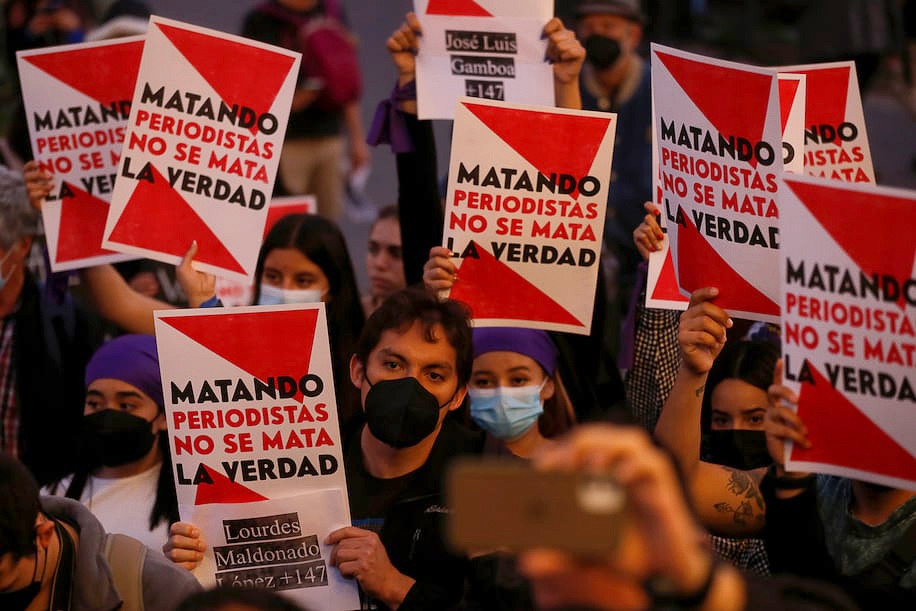
The murders of the journalists Yesenia Mollinedo Falconi and Sheila Johana Garcia Olvera, which occurred on May 9th, 2022 in Veracruz, as well as that of Luis Enrique Ramirez Ramos, a journalist and political analyst who was kidnapped and murdered just four days earlier in the north of the country, brought the toll of communicators executed in Mexico to 11 so far in 2022.
In March, Amnesty International (AI) presented its report on the human rights situation in 2021 and the beginning of 2022 through an event held in Mexico City.
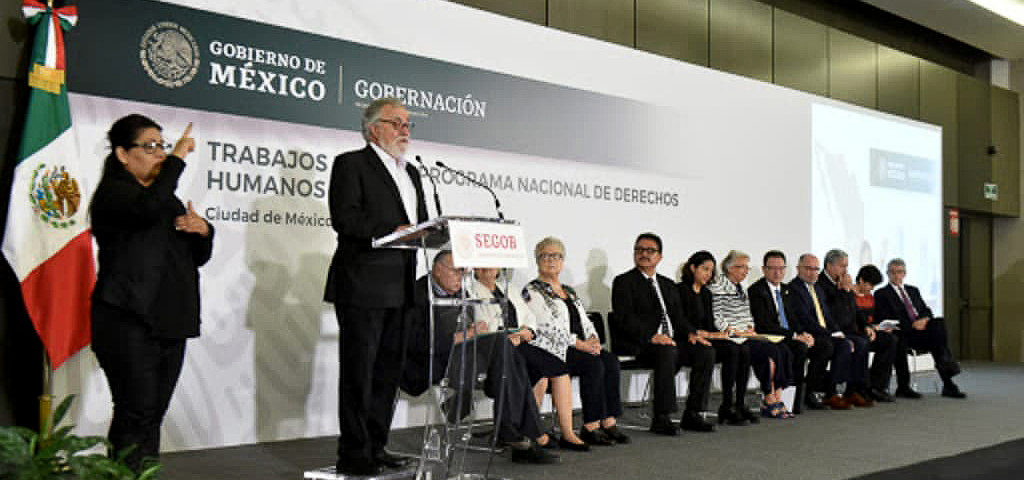
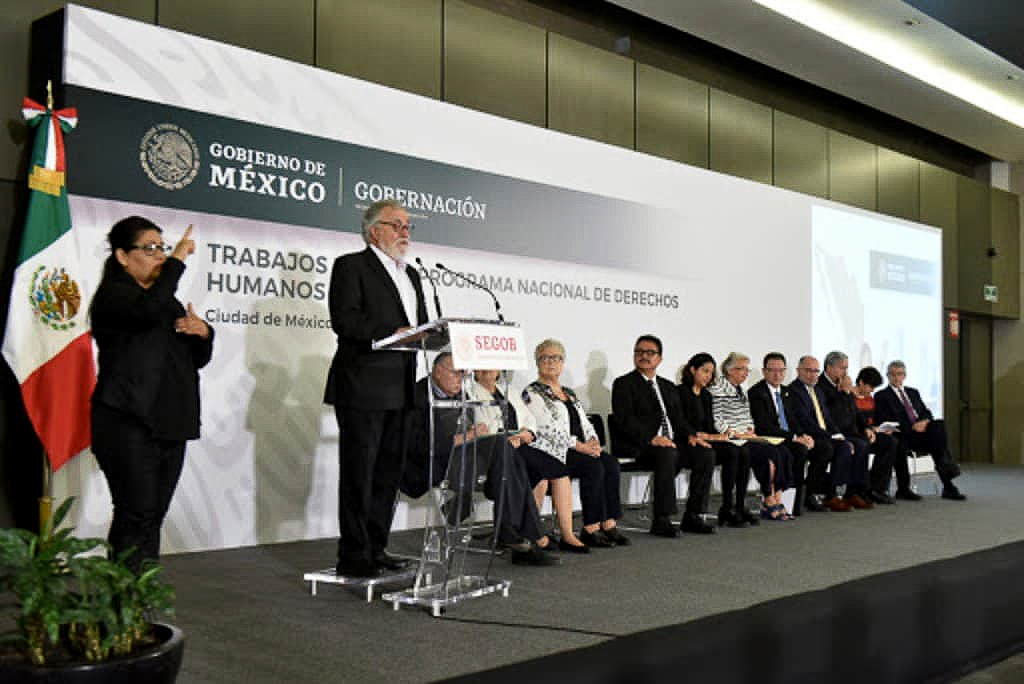
On December 10th, on the occasion of International Human Rights Day, the Report “Second Year, A New Human Rights Policy and Presentation of the National Human Rights Program” was presented by the Ministry of the Interior.