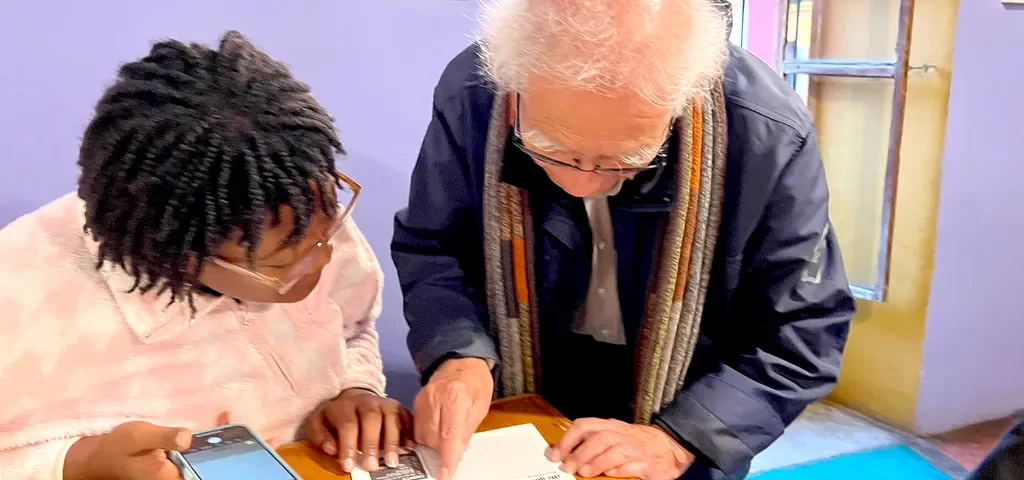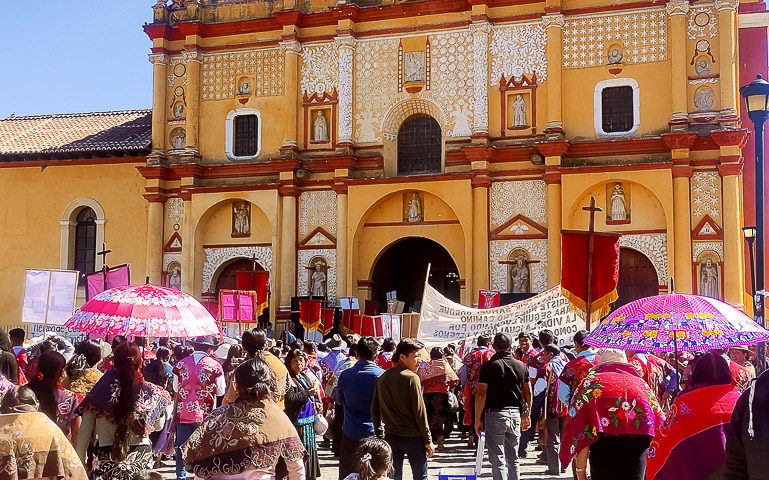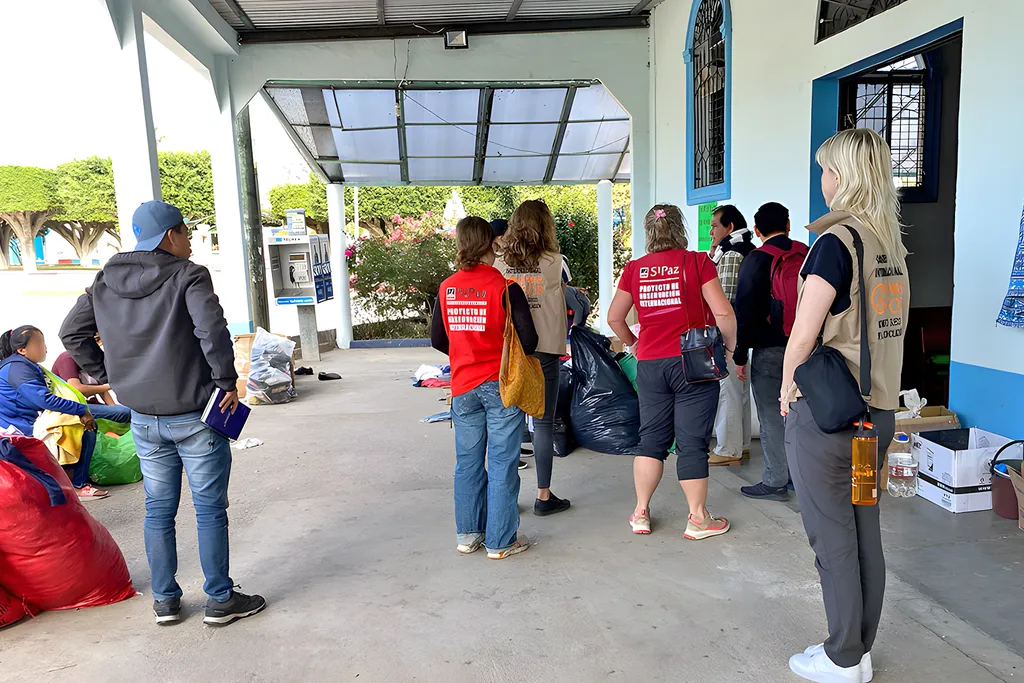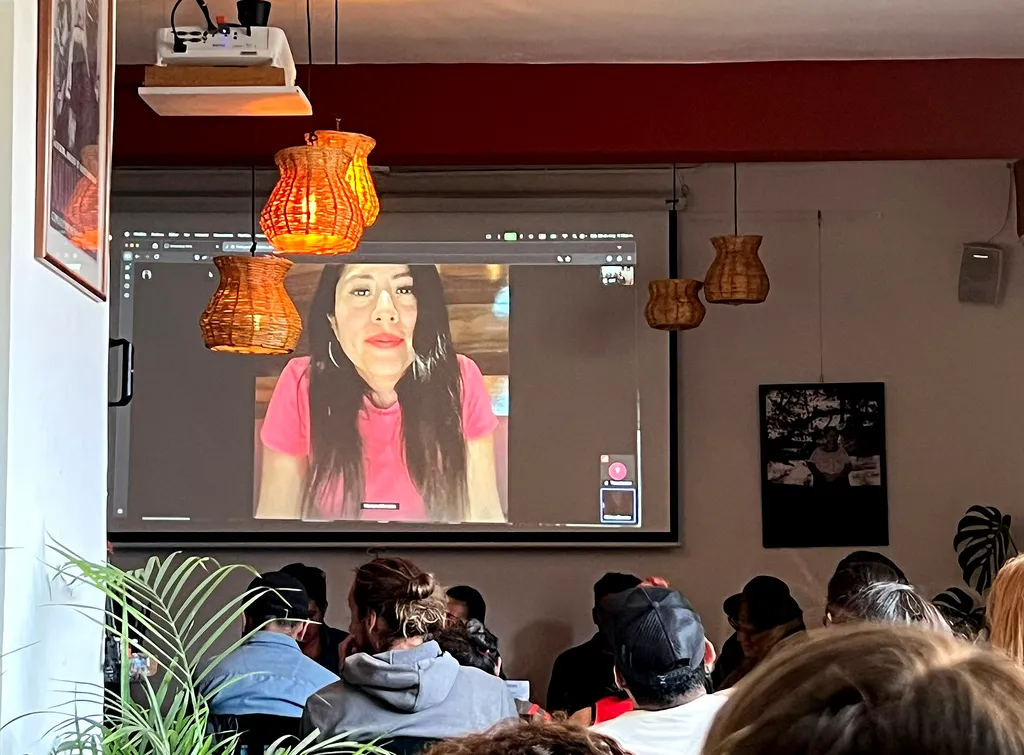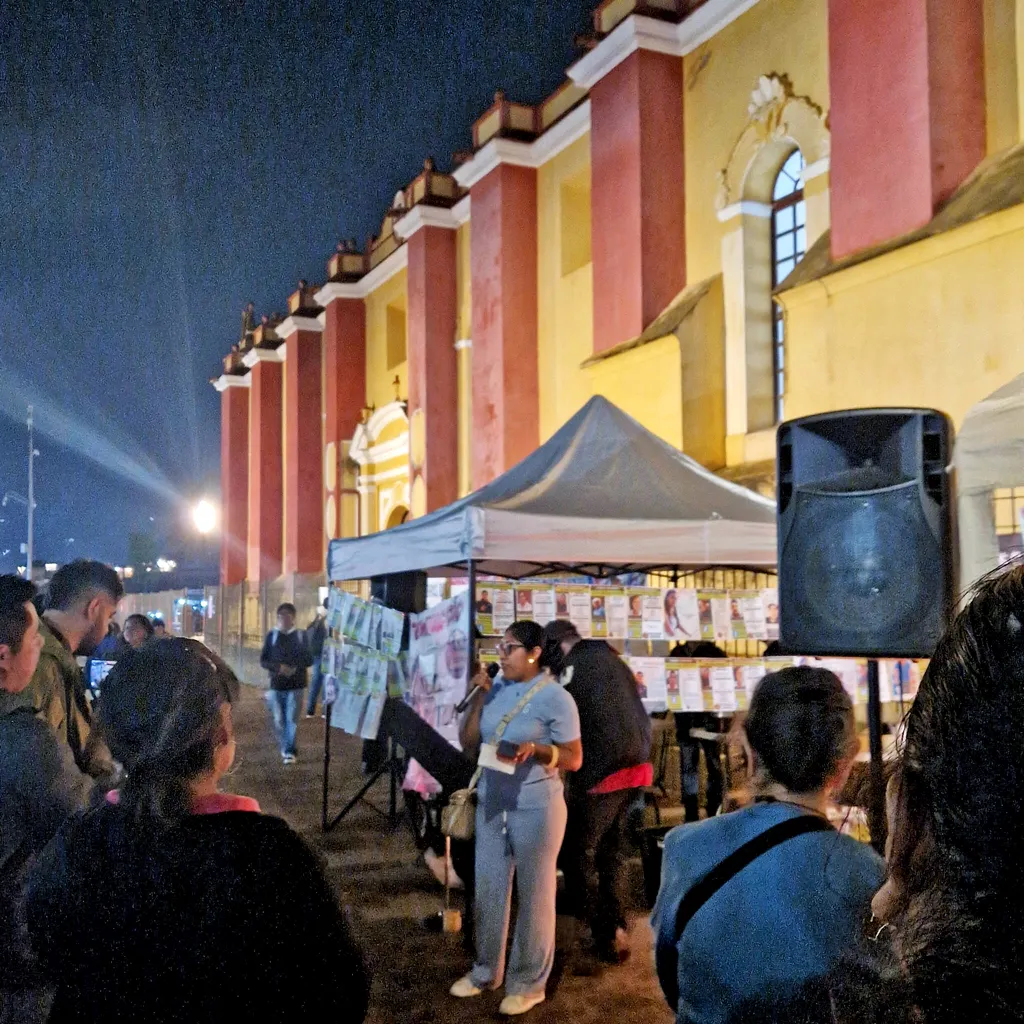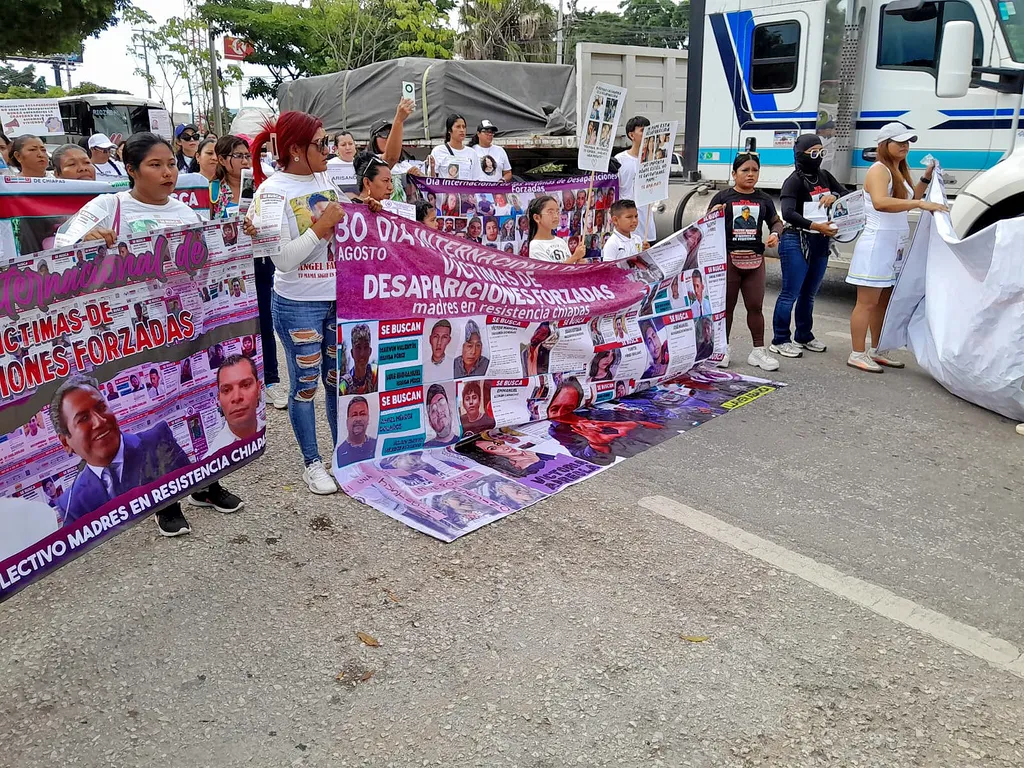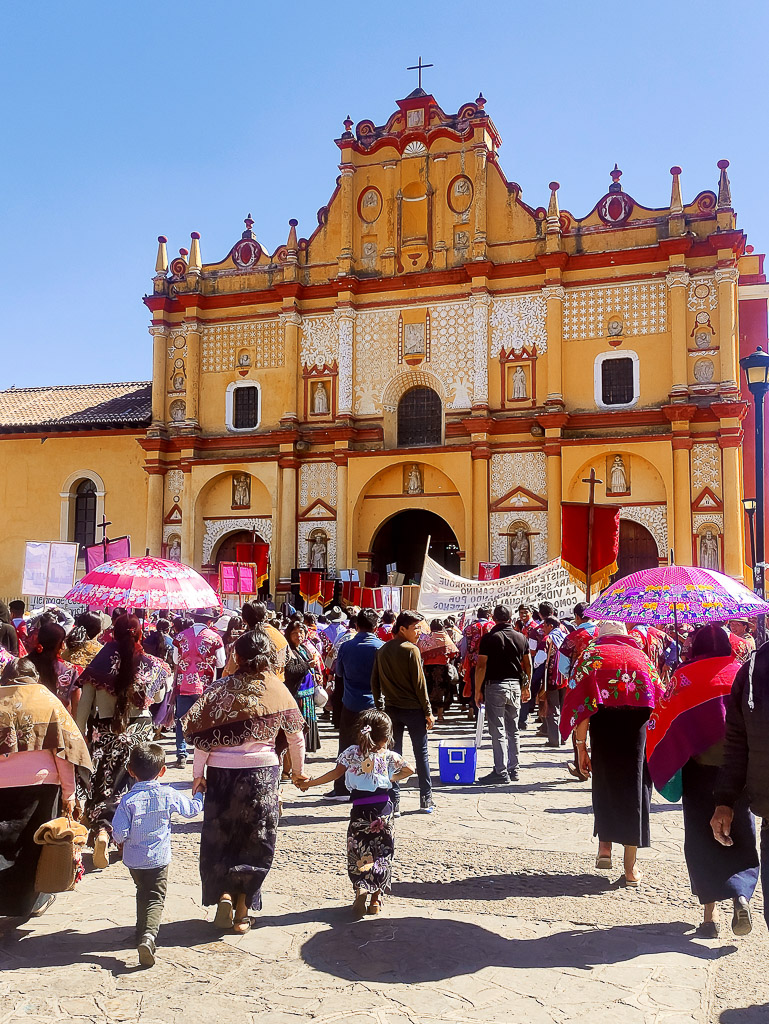
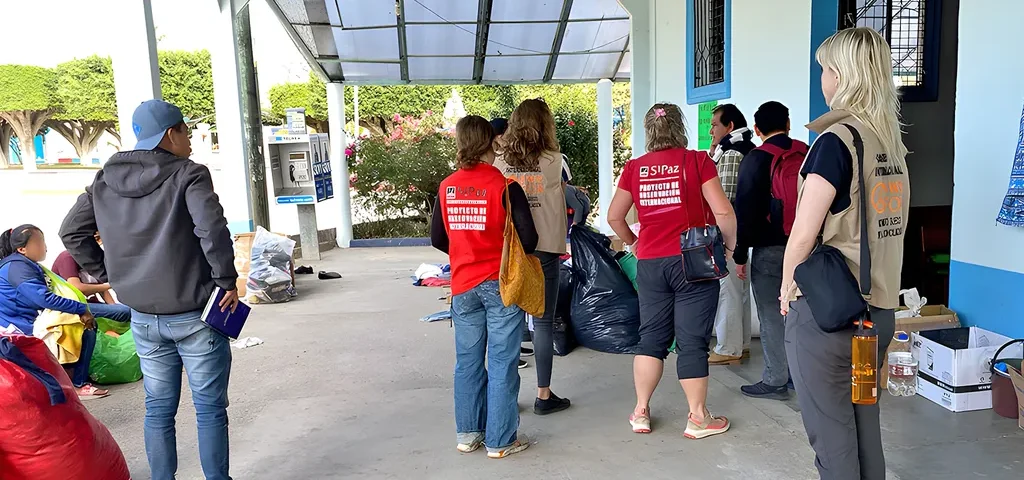
In commemoration of our 30th anniversary, we decided to sit down with people who have encountered SIPAZ along the way. One of them is Jorge Santiago Santiago, a renowned human rights defender, theologian, and pastoral advisor in Chiapas.
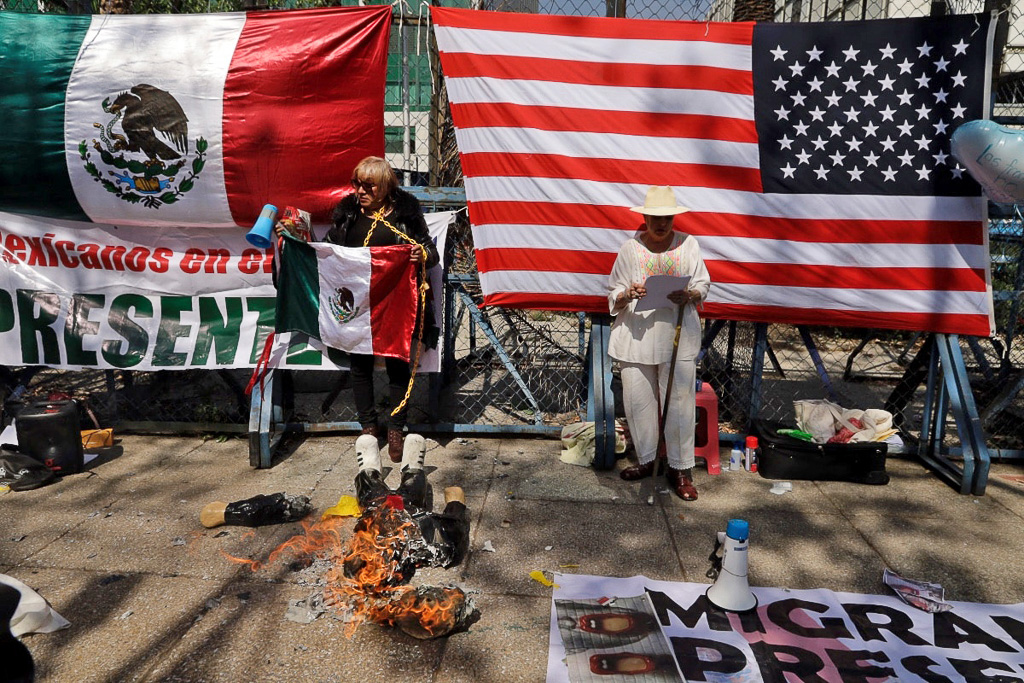
Migration and border security have been central issues in relations between Mexico and the United States, although they don't always appear in the news spotlight. Historically, they have influenced the tone of the relationship and represent a significant element of pressure on Mexico.
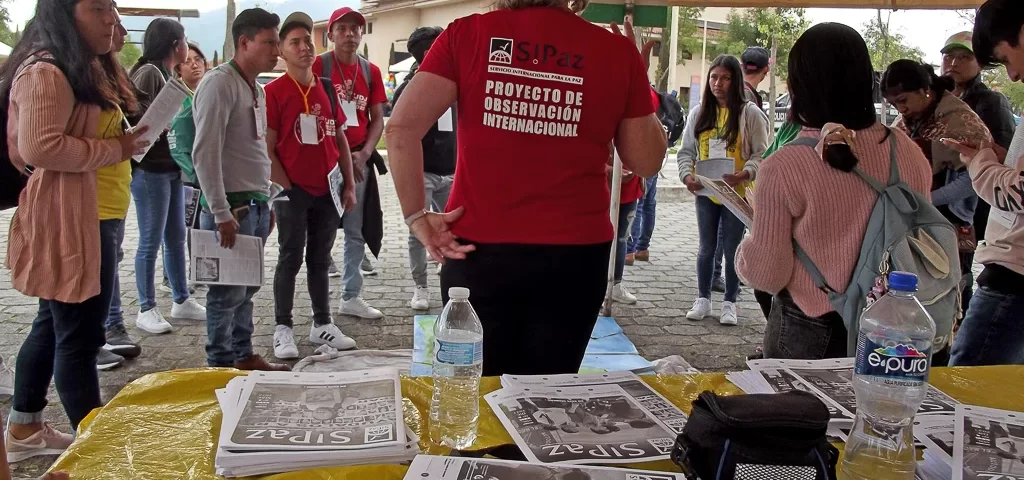
This year, 2025, SIPAZ - International Service for Peace - celebrates three decades of unwavering work for nonviolence, respect for human rights, and peacebuilding in Chiapas.
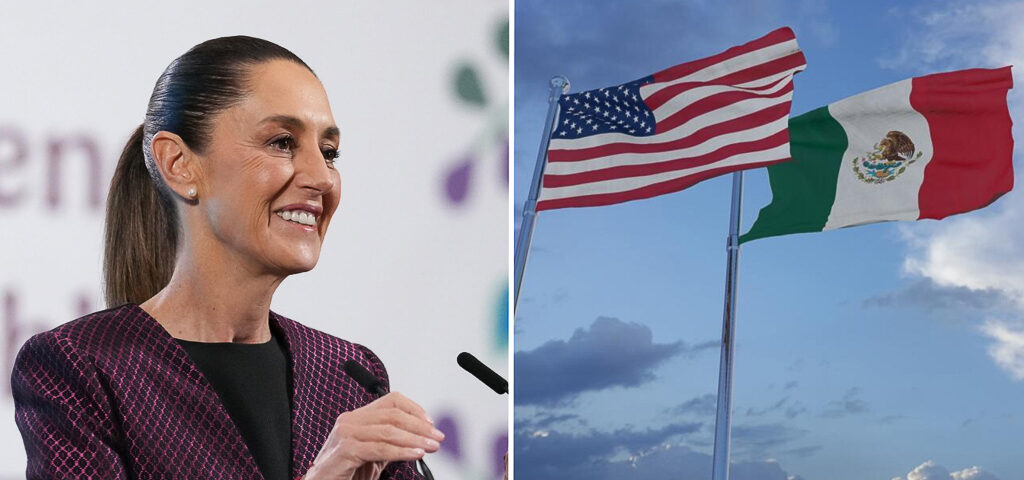
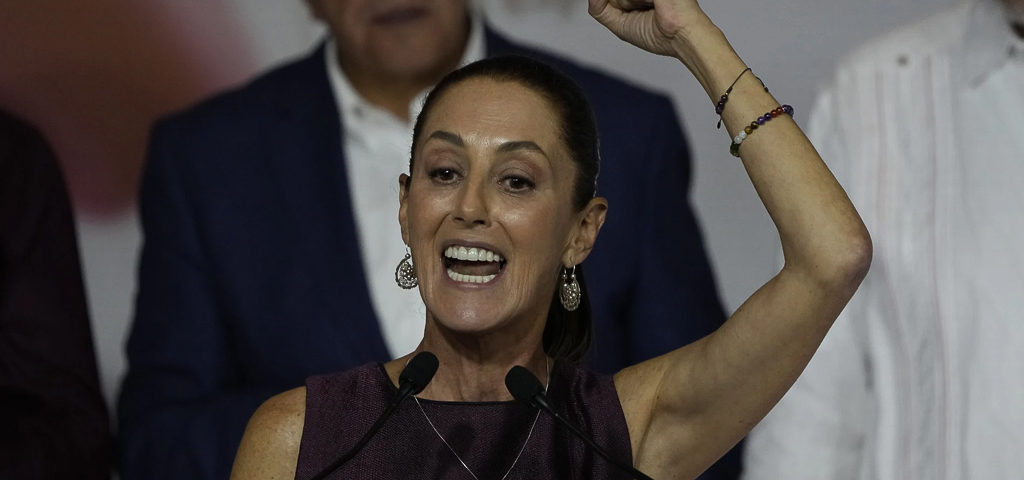
On September 1st, President Claudia Sheinbaum Pardo presented her First Government Report. Among the achievements, she highlighted that Mexico was better positioned than other countries in the face of the new tariffs imposed by US President Donald Trump: “Mexico has the lowest average percentage of tariffs in the world, and we continue working with the various government ministries of our neighboring country. We are convinced that, within the framework of the Trade Agreement, we can achieve even better conditions.”
On July 7th, 2025, the Committee on the Elimination of Discrimination against Women (CEDAW) published its concluding observations and recommendations following the preparation and review of Mexico's tenth periodic report, presented on June 17th and 18th, 2025, in Geneva, Switzerland. Mexico was also evaluated on compliance with and implementation of the recommendations the Committee made in its previous report, presented in July 2018.
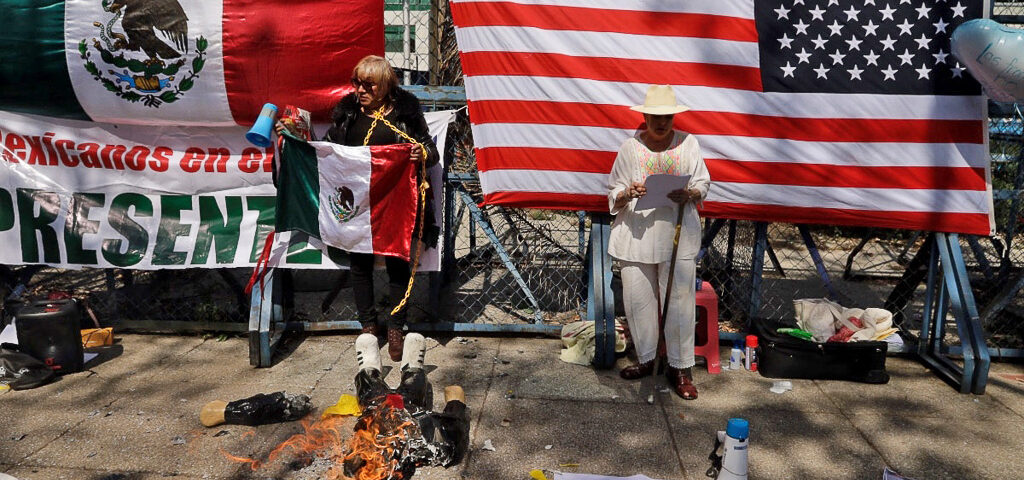
Negotiations between Mexico and the United States have become a constant since Donald Trump returned to the presidency in January of this year, within a relationship marked by political, economic, and military asymmetry.
Since taking office in January, US President Donald Trump has signed a host of executive orders, several of them with strong immediate or potential impacts worldwide and, in particular, in Mexico.
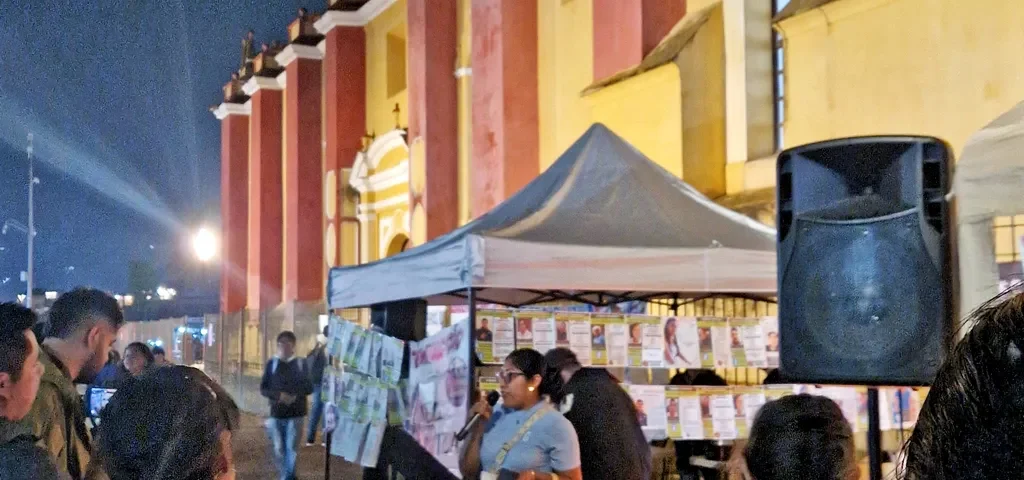
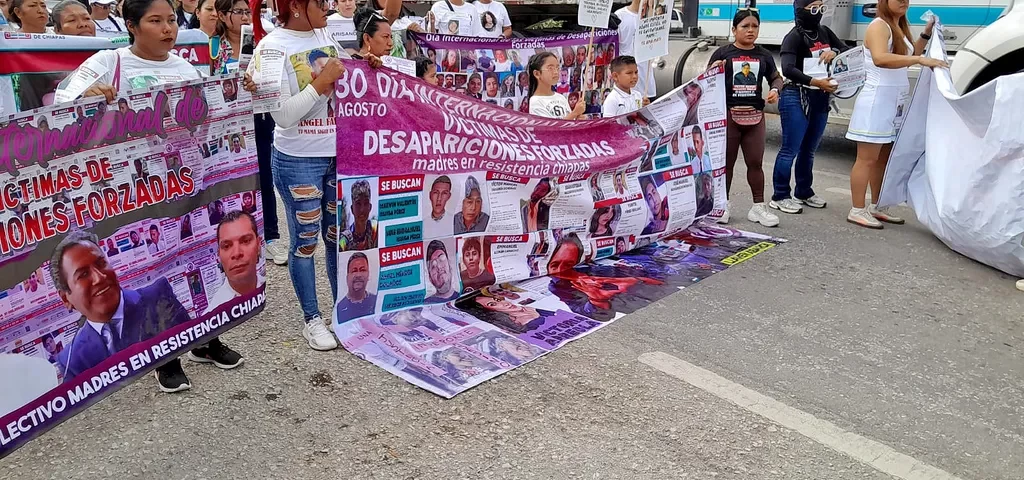
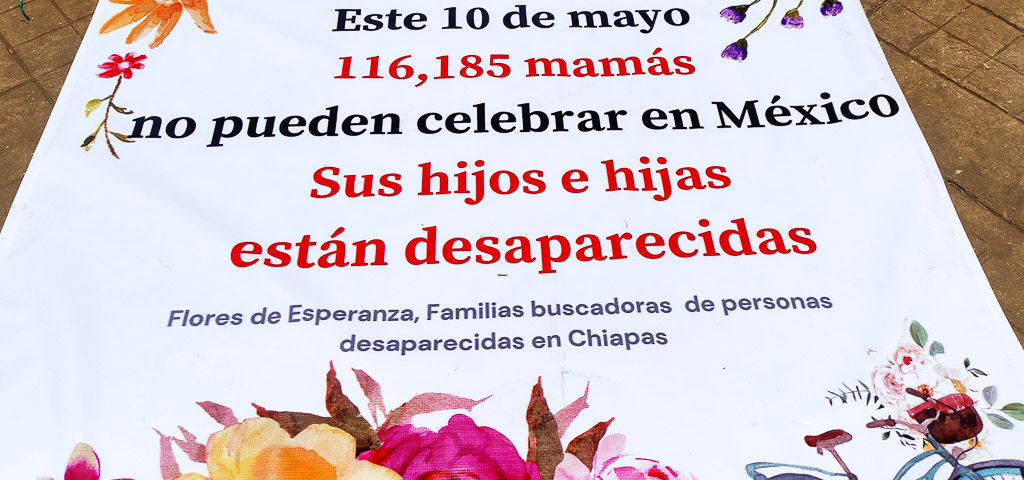
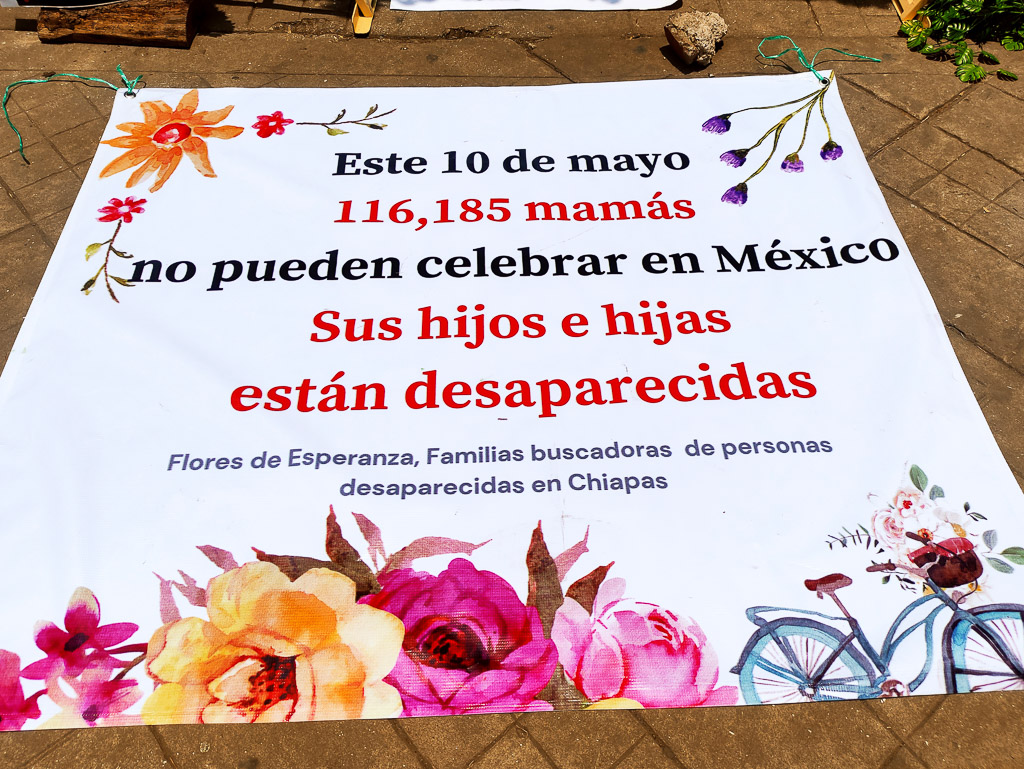
For some years now, various human rights organizations and groups of searching families have been documenting and denouncing the crisis of disappearances in Mexico. In 2023, people spoke with surprise about the alarming figure that had been reached: 100 thousand missing people; today there are more than 116 thousand.
In March, the High Commissioner for Human Rights of the United Nations (UN), Volker Türk, said that the electoral process underway in Mexico “must be safeguarded from violence.” On June 2nd, these elections will lead to the appointment of more than 20,000 public officials, including the head of state, as well as members of both chambers of Congress and a wide range of representatives and state and local authorities.
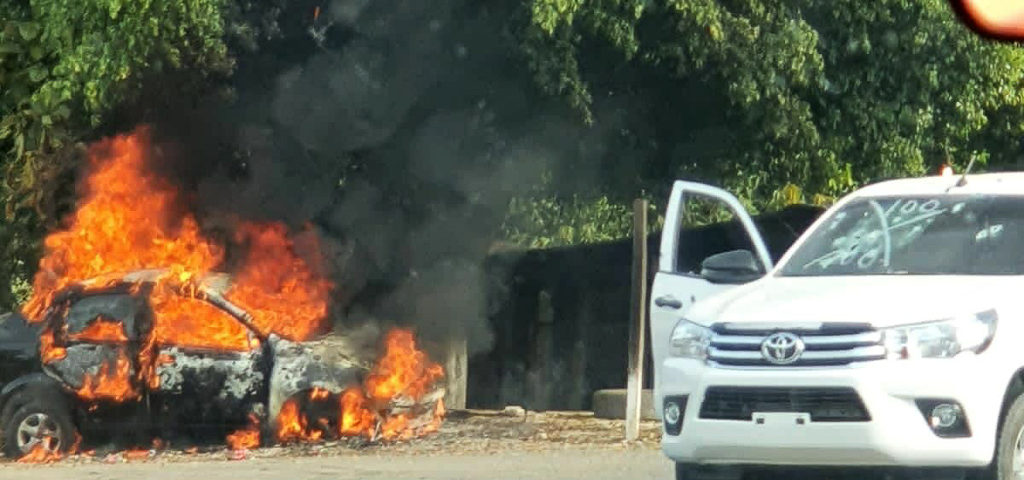
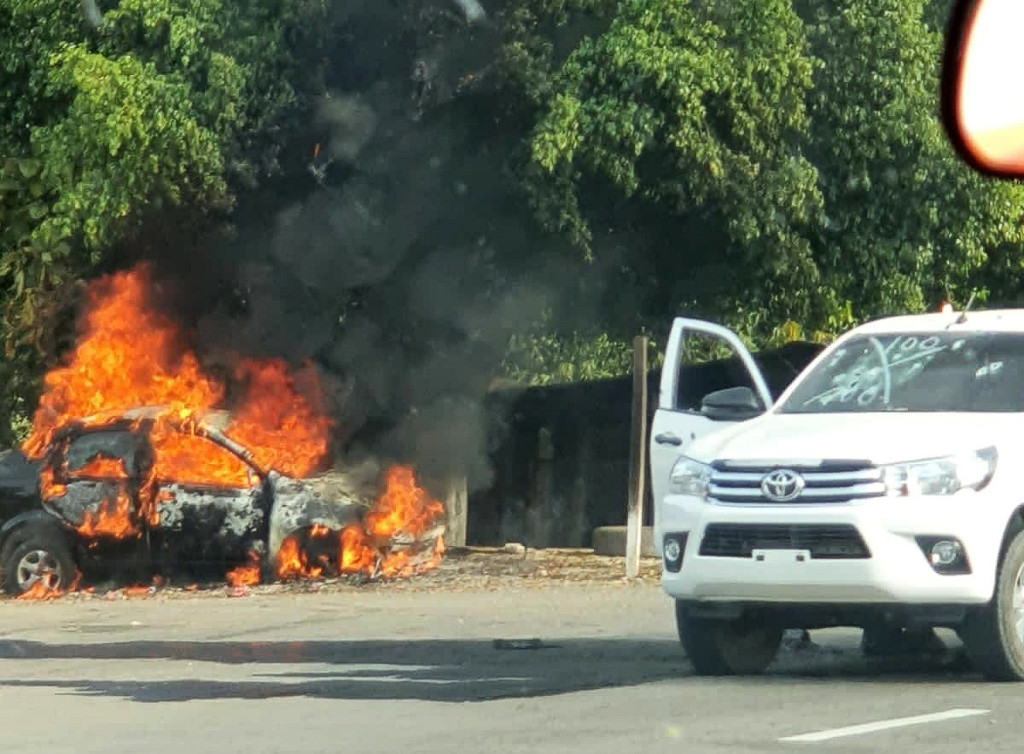
Civil society organizations in Chiapas joined their voices to highlight and demand that the situation of violence that has been experienced since 2021 in the border and mountain region of the state be recognized and addressed,
In January, the report “Voting Under Fire: Understanding Political-Criminal Violence in Mexico” was presented, which documents that in 2023 there were 574 incidents of political-criminal violence. 264 of them were against public officials or candidates for elected office, says Data Civica, the consulting firm behind the report.
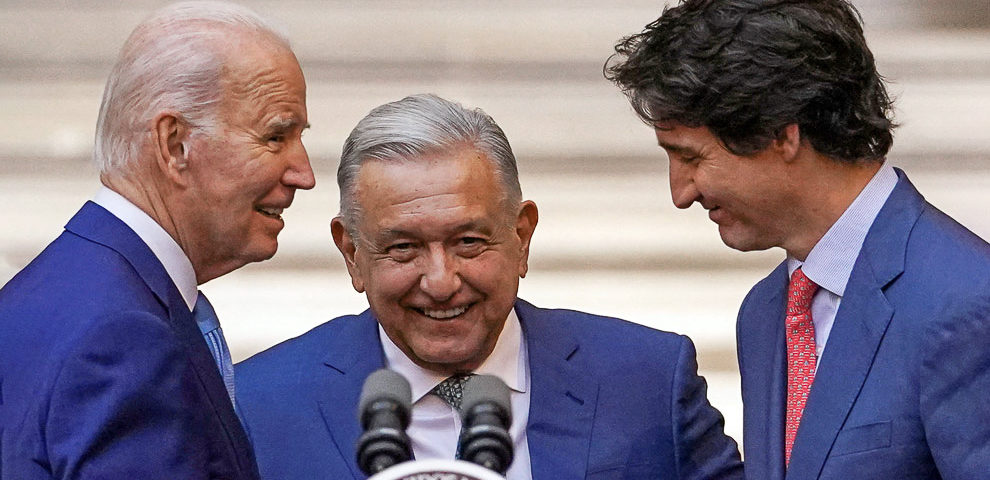
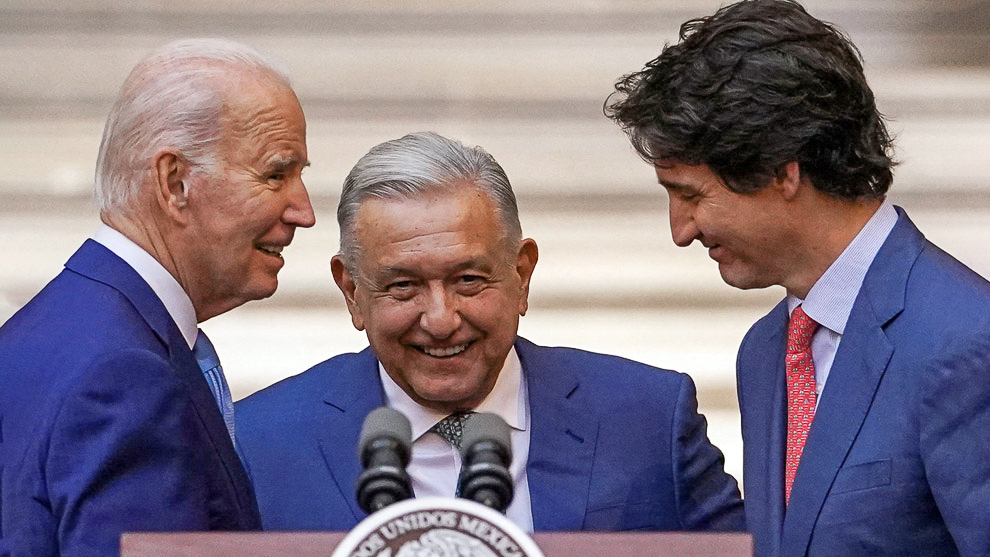
On January 9th and 10th, the 10th Summit of North American Leaders was held in Mexico City. Prior to the meeting, various civil organizations from the three countries sent a letter to the leaders of Mexico, the United States, and Canada requesting that they put on the table "the most urgent crises of our time: armed violence, environmental destruction, and the criminalization of migration."