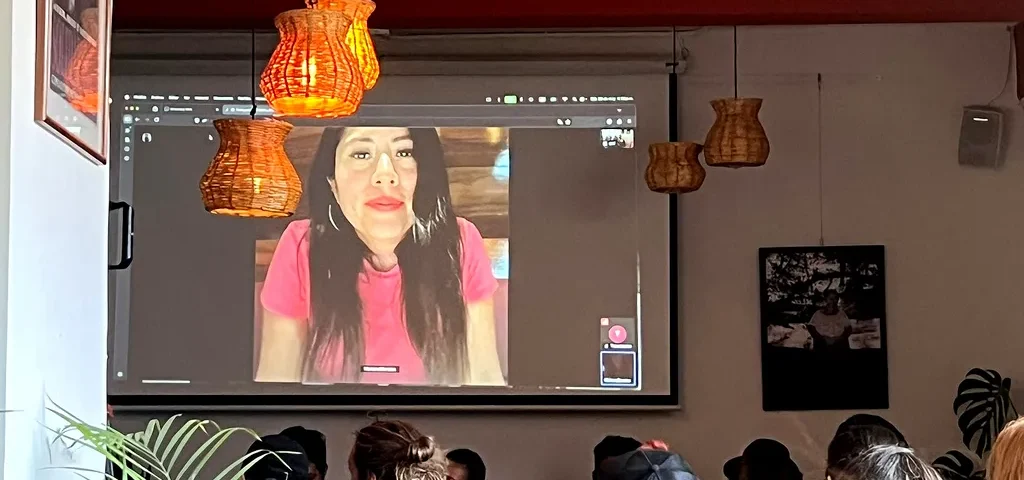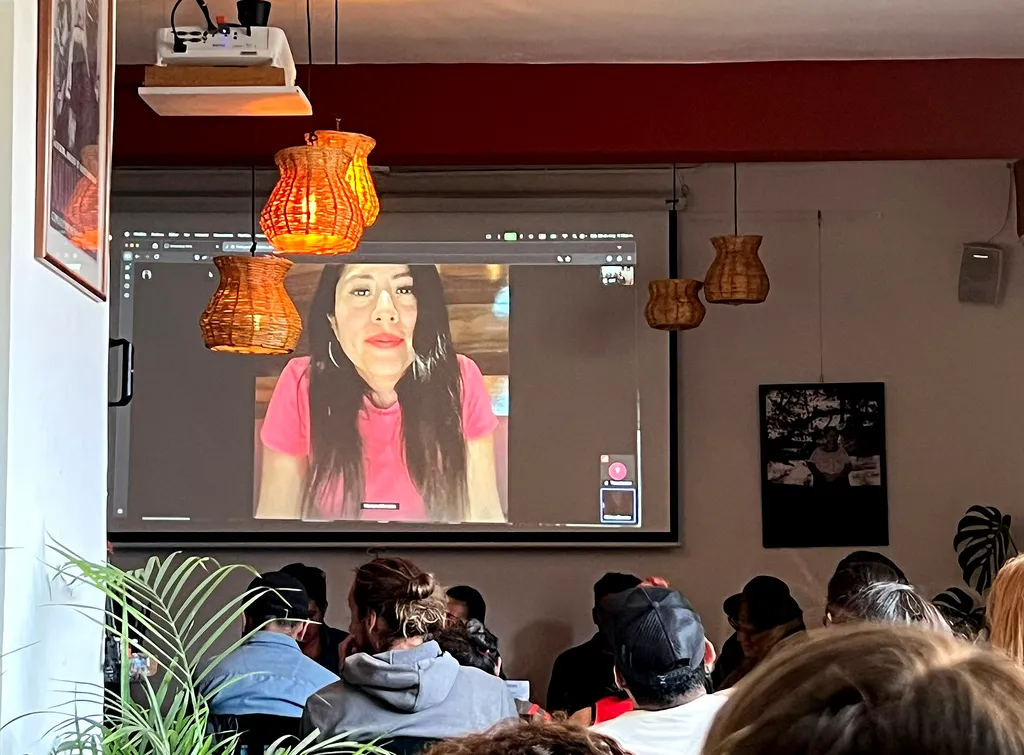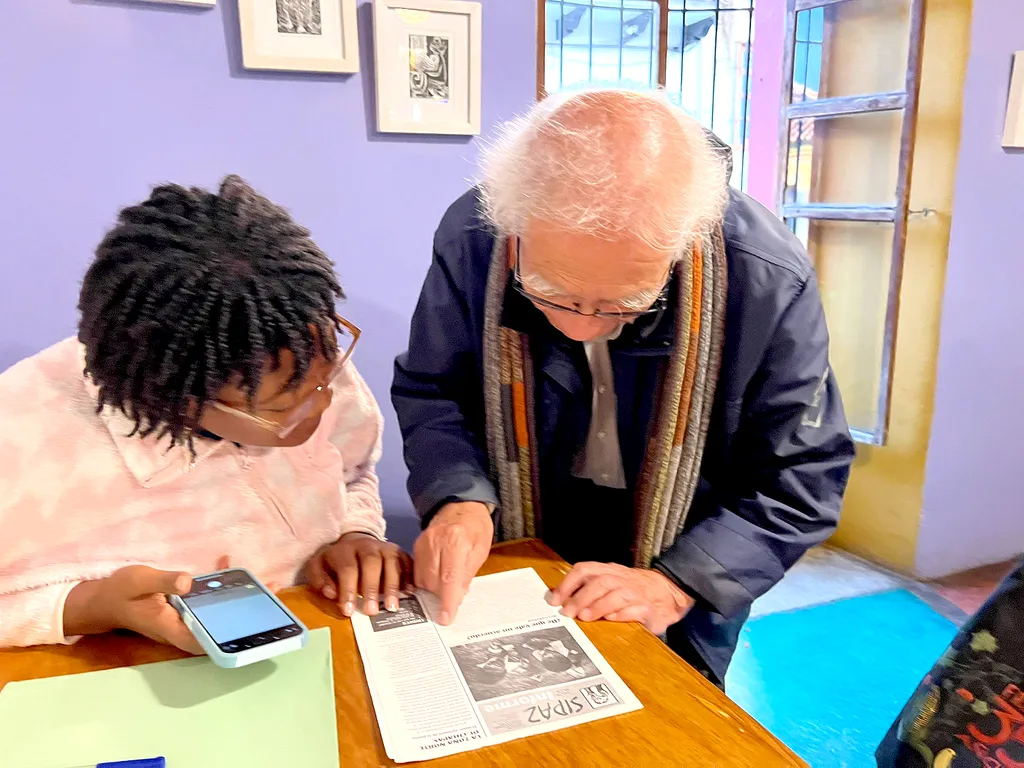
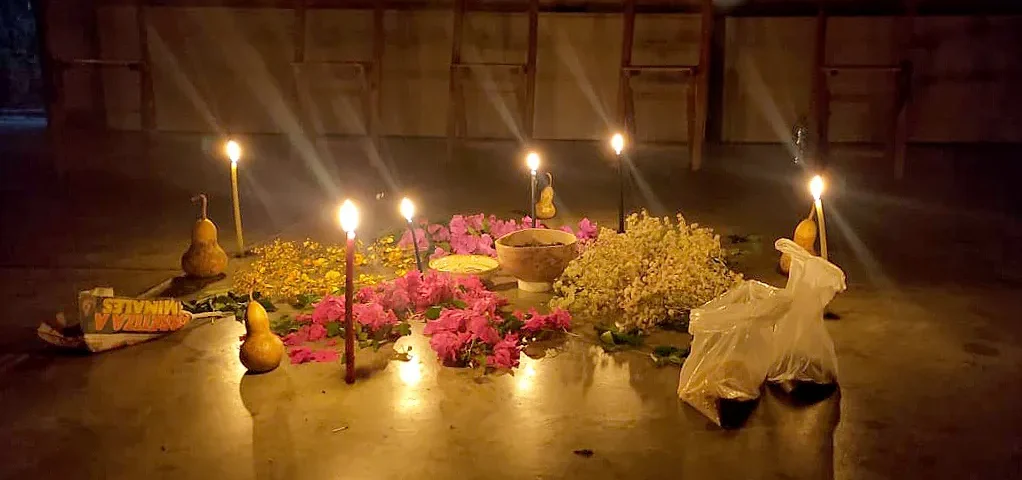
In commemoration of our 30th anniversary, we decided to sit down with people who have encountered SIPAZ along the way. One of them is Jorge Santiago Santiago, a renowned human rights defender, theologian, and pastoral advisor in Chiapas.
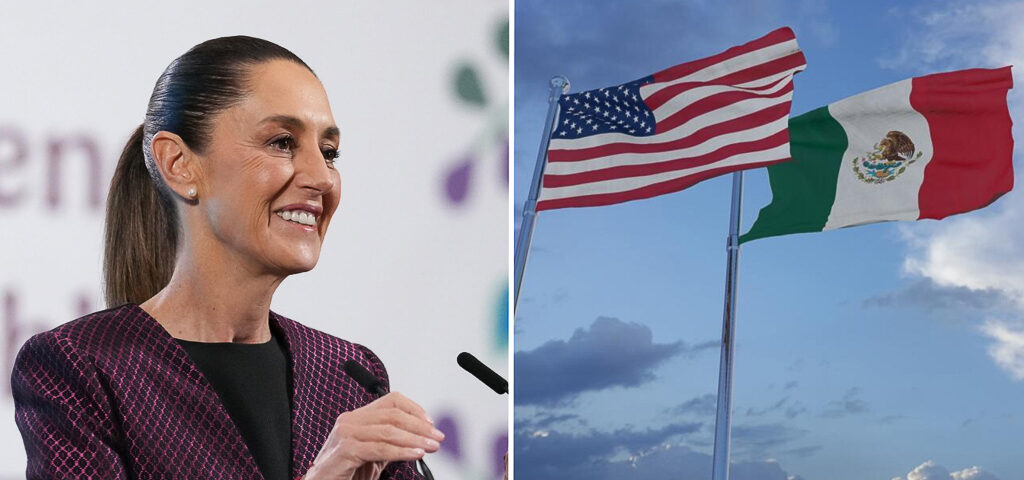
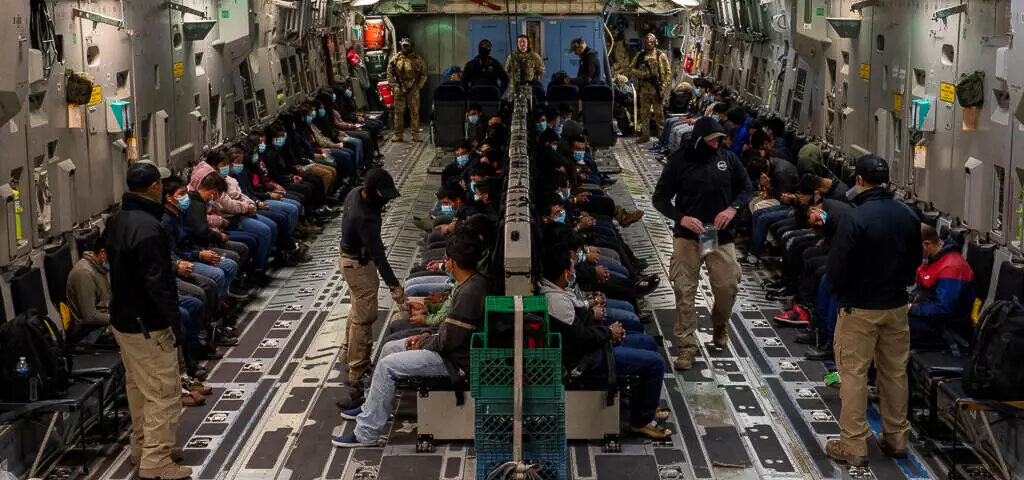
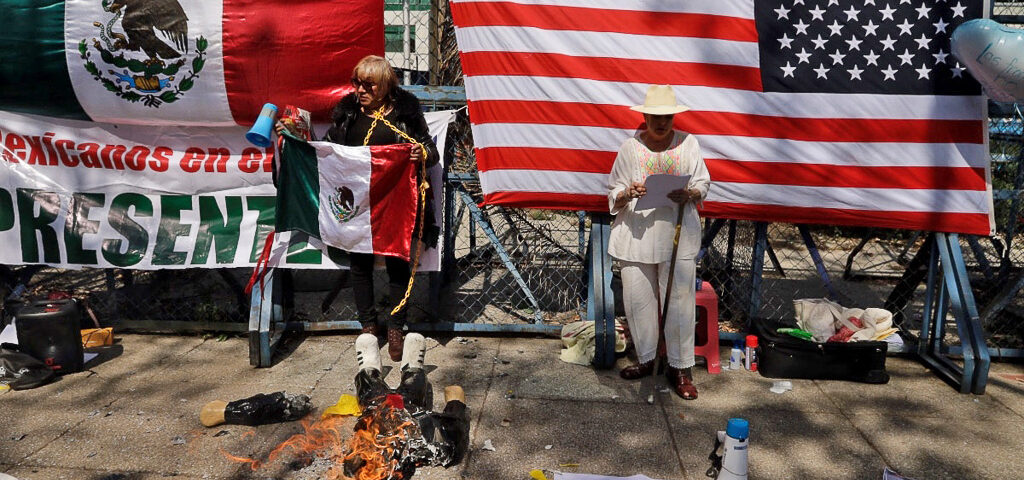
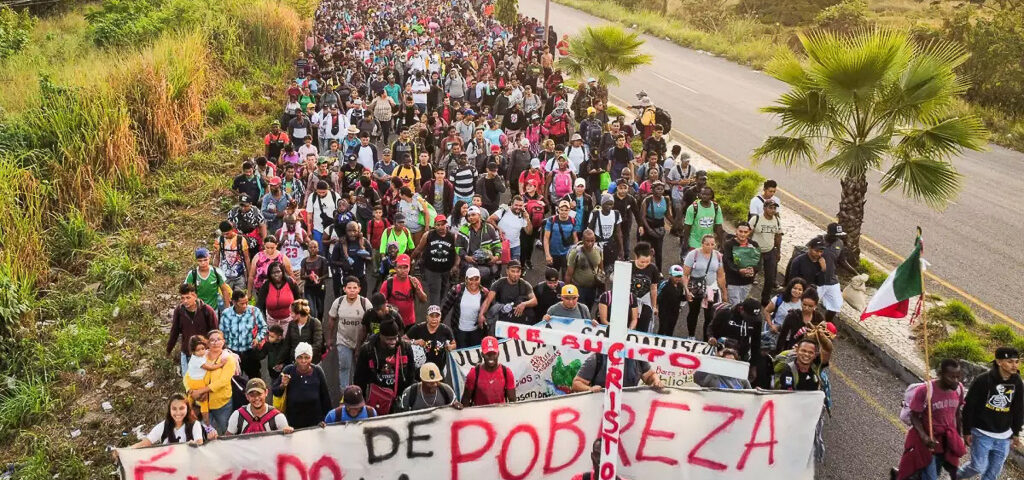
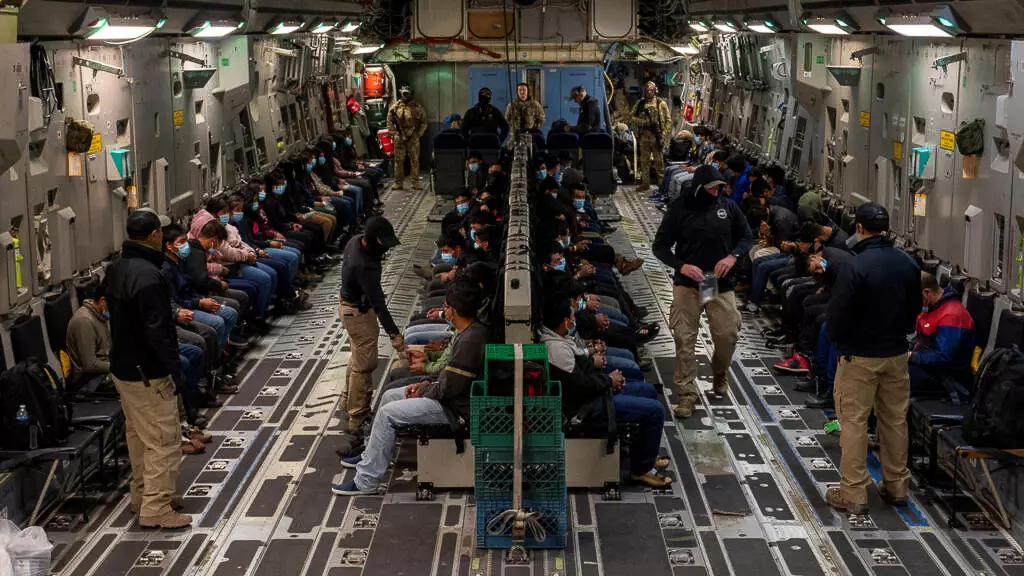
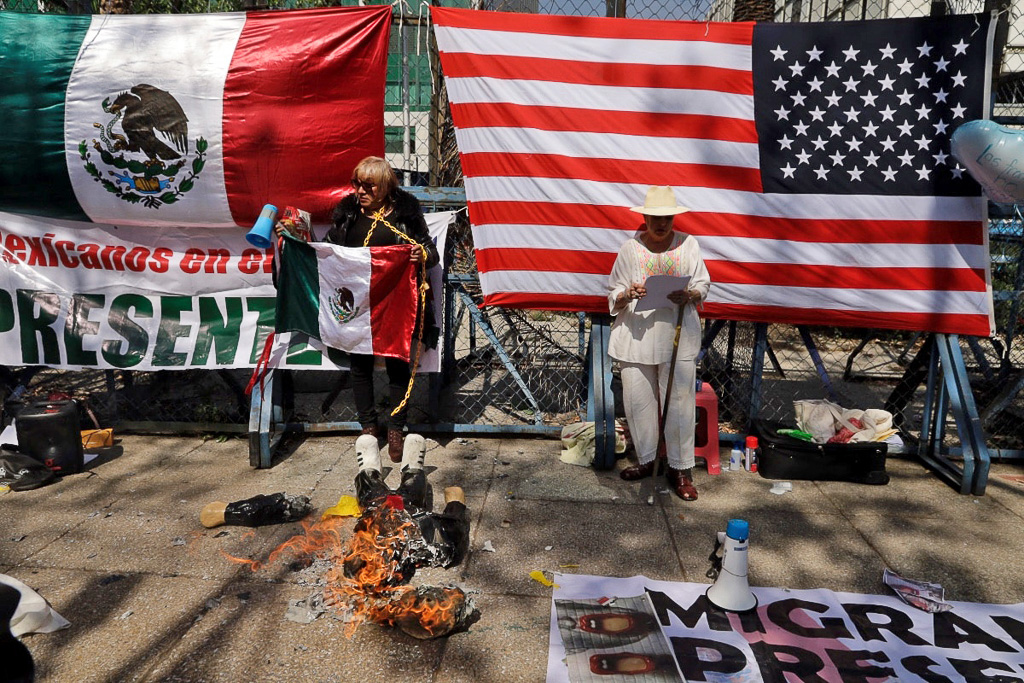
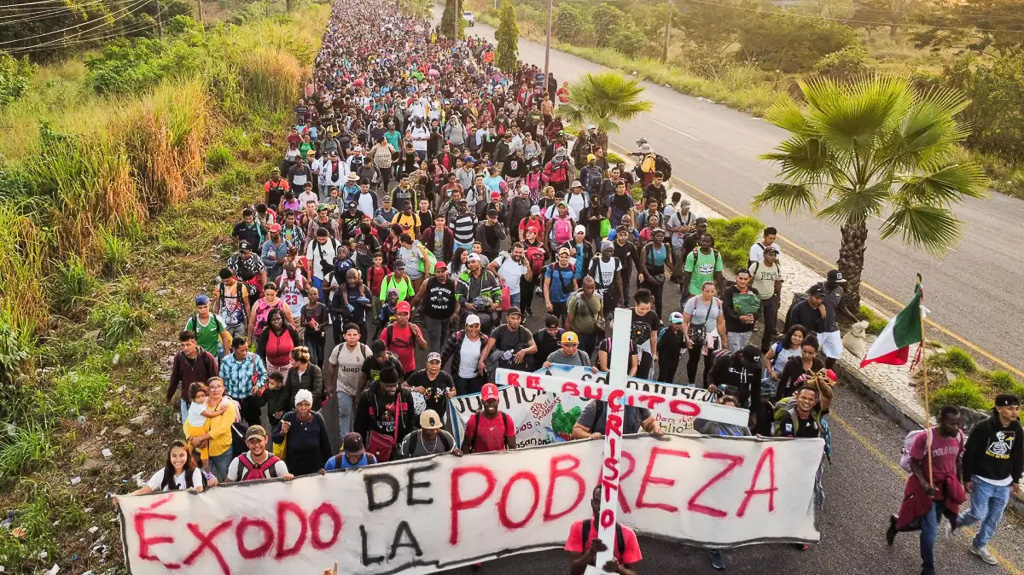
Migration and border security have been central issues in relations between Mexico and the United States, although they don't always appear in the news spotlight. Historically, they have influenced the tone of the relationship and represent a significant element of pressure on Mexico.
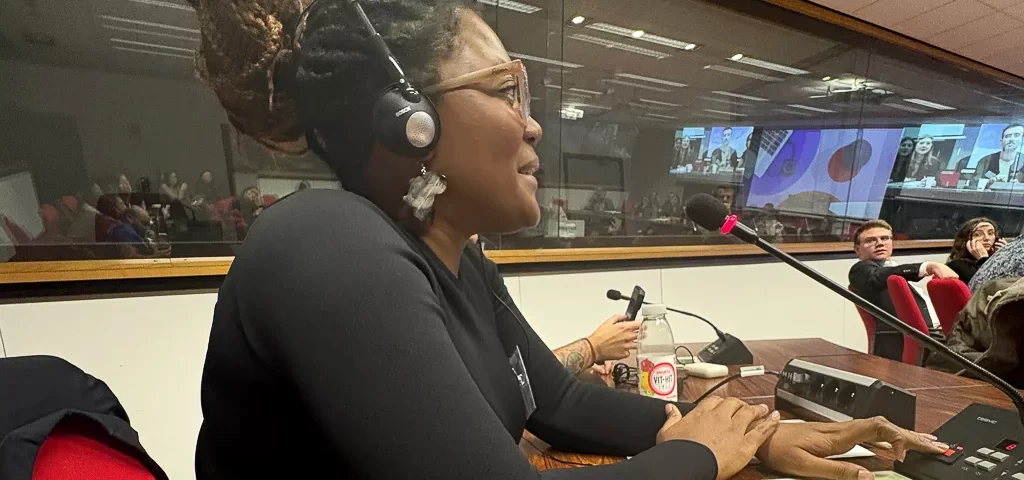
This year, two events relevant to young people working for peacebuilding and for a society where human rights are a reality, and where a dignified life free from violence can be lived, took place. SIPAZ had the privilege of participating in these events during November: the Peace Forum in Paris and the Second Youth Conference for Peace and Security in Brussels.
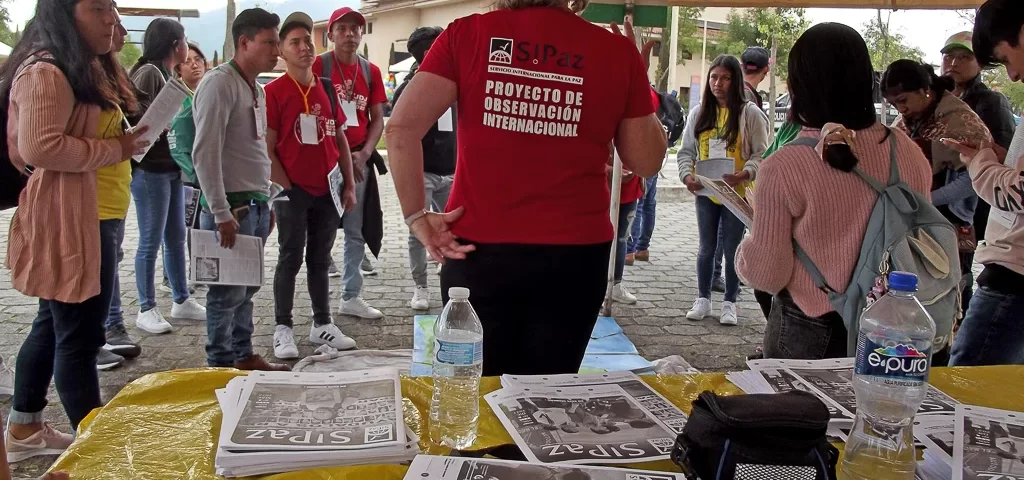
This year, 2025, SIPAZ - International Service for Peace - celebrates three decades of unwavering work for nonviolence, respect for human rights, and peacebuilding in Chiapas.
On September 1st, President Claudia Sheinbaum Pardo presented her First Government Report. Among the achievements, she highlighted that Mexico was better positioned than other countries in the face of the new tariffs imposed by US President Donald Trump: “Mexico has the lowest average percentage of tariffs in the world, and we continue working with the various government ministries of our neighboring country. We are convinced that, within the framework of the Trade Agreement, we can achieve even better conditions.”
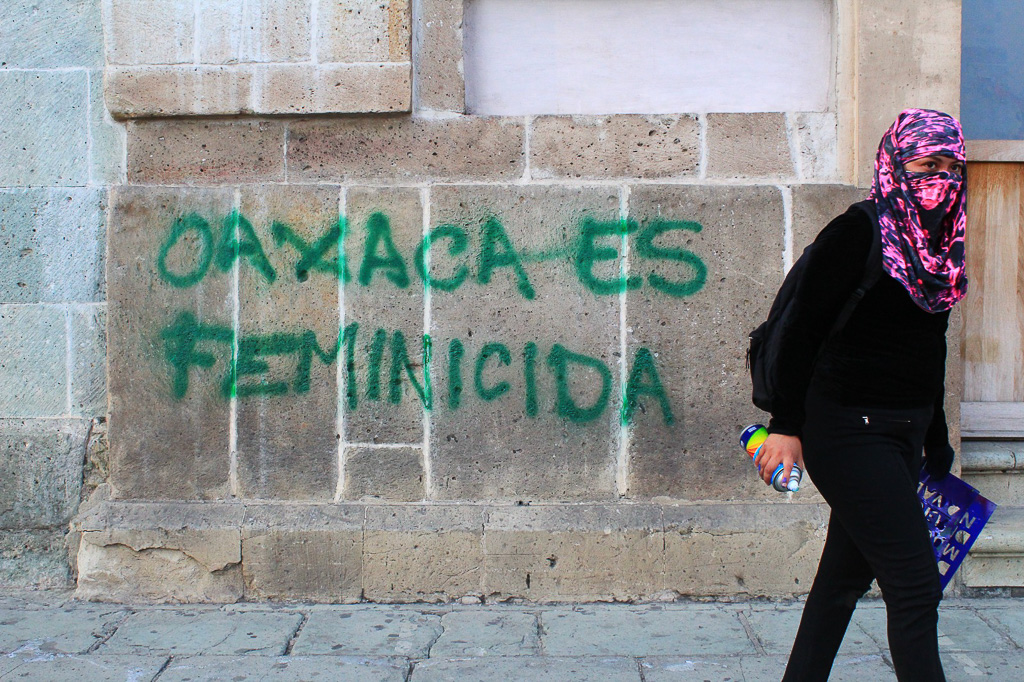
On July 7th, 2025, the Committee on the Elimination of Discrimination against Women (CEDAW) published its concluding observations and recommendations following the preparation and review of Mexico's tenth periodic report, presented on June 17th and 18th, 2025, in Geneva, Switzerland. Mexico was also evaluated on compliance with and implementation of the recommendations the Committee made in its previous report, presented in July 2018.
Negotiations between Mexico and the United States have become a constant since Donald Trump returned to the presidency in January of this year, within a relationship marked by political, economic, and military asymmetry.
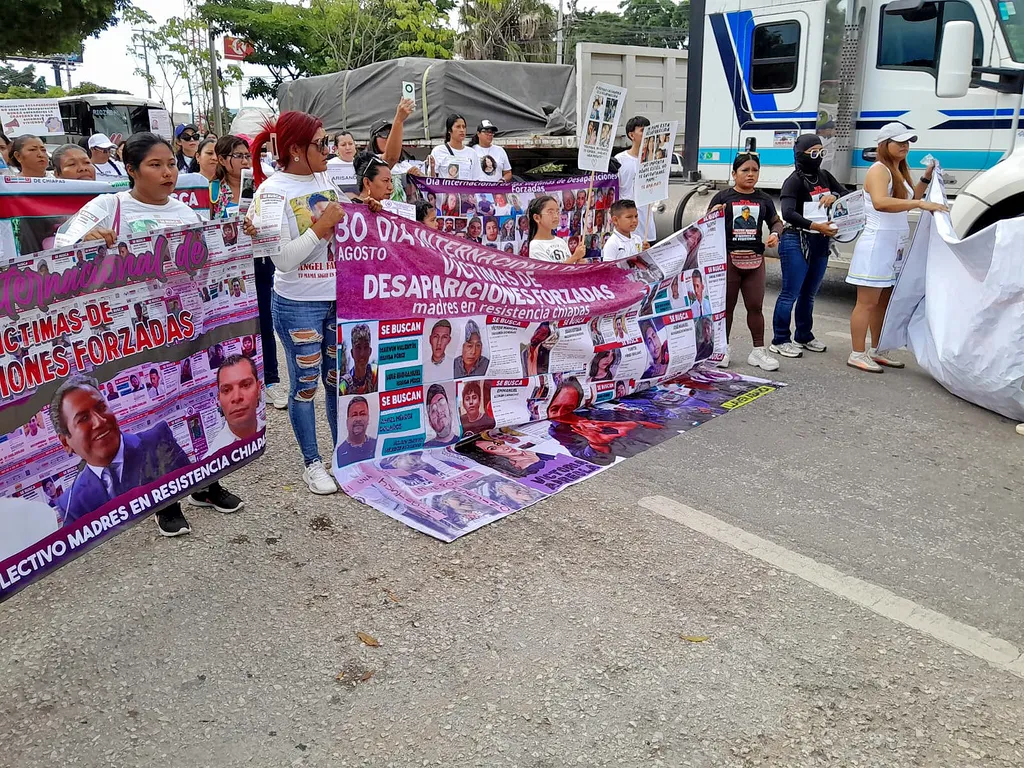
The international scene has been marked by instability and conflict: the war in Ukraine, the Israeli massacre in the Gaza Strip, the Israeli incursions in Lebanon and Syria, the civil war in Sudan, the armed conflicts in the Democratic Republic of the Congo, Myanmar, Pakistan, Iran, Colombia, Haiti and Mexico, to name a few, encompass devastation and a worldwide number of people dead, missing, displaced and in need of humanitarian aid, which has reached its highest level in decades.
Since taking office in January, US President Donald Trump has signed a host of executive orders, several of them with strong immediate or potential impacts worldwide and, in particular, in Mexico.
The elections in the United States revive the saying: “Poor Mexico, so far from God, so close to the United States.” The elected candidate, Donald Trump, has declared that he will impose a 25% tariff war against Mexico if Claudia Sheinbaum’s government fails to contain the flow of migrants and fentanyl trafficking across the 3,000 kilometers of border that both countries share.
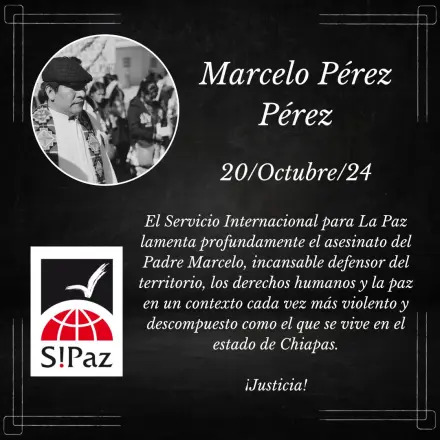
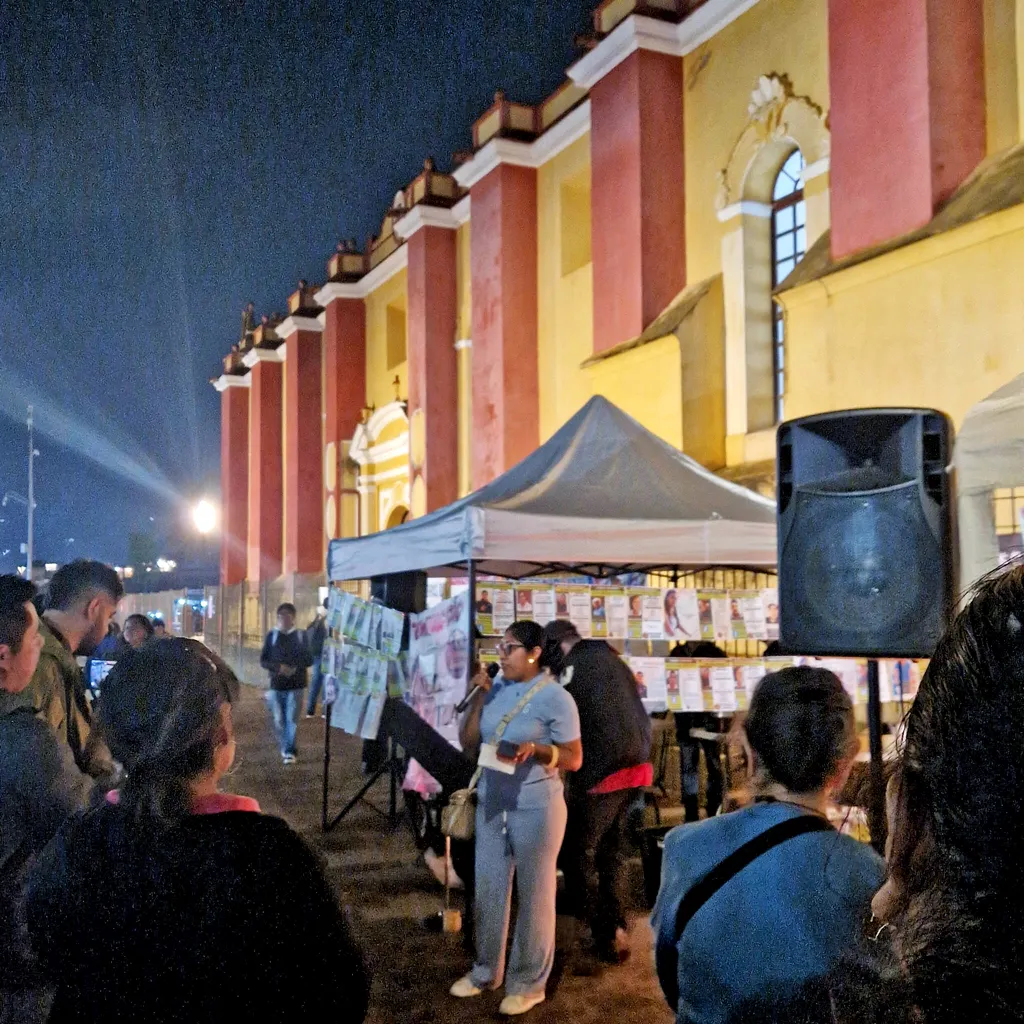
The International Service for Peace (SIPAZ) regrets the murder of Father Marcelo Pérez Pérez that occurred on October 20 in San Cristóbal de Las Casas. According to preliminary reports, he was shot four times by unknown persons on a motorcycle while he was heading to the Guadalupe temple, after celebrating mass in the Cuxtitali neighborhood in this same city.