SIPAZ Activities (Mid-February to Mid-May 2026)
16/06/2026
FOCUS: The Struggle for Autonomy Among Indigenous and Afro-Mexican Peoples. Between the recognition of rights and autonomy built “from below”
17/09/2026
I n June and July, the World Cup turned Mexico into one of the main focal points of international attention. As a co-host country alongside the United States and Canada, it welcomed visitors and delegations from numerous countries and used the event to project an image of openness and organizational capacity. The visit by King Felipe VI of Spain was also diplomatically significant, as it helped bring the two countries closer together after several years of tensions. However, the tournament also exposed internal social and political problems to the press and the international community, laying bare various contradictions.
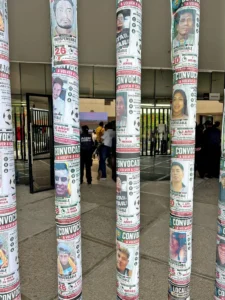
Protests by groups of “Madres Buscadores” (Searching Mothers) during the World Cup, June 2026 © SIPAZ
The United States remained, by far, Mexico’s main international front, characterized by a mix of cooperation and confrontation. Mexico needed to maintain coordination with its primary economic partner but rejected any measure that could be considered a threat to its sovereignty. This situation became evident at various points during the last quarter, including the meeting between Sheinbaum and Trump during the World Cup, which represented a moment of diplomatic detente, though it did not resolve the existing differences between the two governments.
The Sheinbaum administration continues to insist that bilateral cooperation should not imply subordination. One example was the revocation of the visa of Andrés Manuel López Beltrán, son of former President Andrés Manuel López Obrador—a decision that prompted a reaction from the Mexican government, which viewed it as a form of interference in domestic political affairs. This episode reflected a broader trend of U.S. pressure through visa revocations, investigations, and accusations against Mexican political figures suspected of having ties to drug trafficking. Mexico maintained that any accusations against Mexican citizens must be supported by evidence and legal procedures.
On the issue of security, both countries continued to cooperate in the fight against criminal groups. However, Mexico continued to reject the possibility of U.S. military intervention on its territory. The temporary suspension of U.S. avocado inspections in Michoacán demonstrated how security issues can affect even trade relations. The inspections resumed after Mexico bolstered security by deploying military personnel and members of the National Guard.
On the economic front, the renegotiation of the United States-Mexico-Canada Agreement (USMCA) became one of the main foreign policy issues. Mexico sought to preserve its trade advantages and preferential access to the U.S. market, while the Trump administration pressed for more favorable terms for the United States. Thus, the trade relationship unfolded amid a dynamic of cooperation but also of constant pressure and negotiation. For Mexico, the treaty is essential due to the enormous dependence of its foreign trade on the U.S. market.
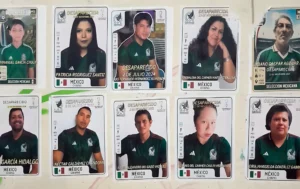
Protests by groups of “Madres Buscadores” (Searching Mothers) during the World Cup, June 2026 © SIPAZ
Faced with this strong dependence on the United States, Mexico also sought to diversify its international relations. Brazil took on special importance as a regional partner, with talks between Pemex and Petrobras aimed at expanding cooperation in areas such as production, exploration, refining, and biofuels. Likewise, Mexico made progress in its relationship with the European Union by modernizing the “Comprehensive Agreement.” The government presented this agreement as an opportunity to increase trade, investment, and political cooperation. However, social organizations, environmentalists, and academics pointed out potential risks, arguing that the benefits might be concentrated primarily among large corporations and that the mechanisms for environmental and human rights protection might prove insufficient.
Mexico also maintained a foreign policy based on multilateralism, the defense of human rights, the self-determination of peoples, and the peaceful resolution of conflicts. As part of this strategy, the government supported Michelle Bachelet’s candidacy for the position of Secretary-General of the United Nations. This stance sought to uphold Mexico’s diplomatic tradition and strengthen the country’s role within international organizations, especially against a backdrop of growing tension among the world’s major powers.
Migration: Violence and Vulnerability Amid Tighter Immigration Policies
In July, the death of Mexican migrant Lorenzo Salgado during an operation by U.S. Immigration and Customs Enforcement (ICE) in the United States raised particular concern. The case highlighted the risks stemming from the tightening of U.S. immigration policies. In response to this and other deaths of Mexican citizens during ICE operations or while in ICE custody, the Mexican government announced legal and diplomatic actions. The Ministry of Foreign Affairs reported that complaints had been filed in the United States regarding 17 Mexican citizens who had died since 2025. It also brought the situation to the attention of international organizations, including the United Nations.
More broadly, the policies implemented by the Donald Trump administration have led to an increase in deportations and particularly affect people who were sent to Mexico and found themselves in precarious situations. Human rights organizations denounce arbitrary detentions, lack of medical care, violence, abuse, and difficulties in accessing housing and employment. They also point out that deported individuals face risks related to organized crime and the lack of effective protection mechanisms.
During the “Third Meeting of Bishops and Pastoral Workers on the Mexico-Guatemala Border,” bishops from Chiapas and Guatemala raised a series of challenges facing this region. “Currently, despite the conditions of impoverishment, precariousness, inequality, and systemic violence faced by the populations, migration continues. In this context, where immigration policies, multilateral agreements, and executive orders undermine the right to migrate (…), we observe that criminal groups, human trafficking networks, and extortion along migration routes have grown stronger,” they warned. They also stated that they find themselves in an “area controlled by those who perpetrate violence,” given “the limited or nonexistent action by state institutions and international organizations.”
Growing Awareness of the Crisis of Disappearances in Mexico
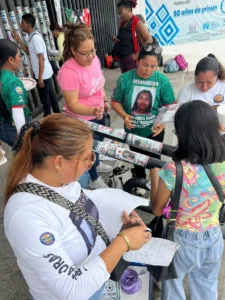
Protests by groups of “Madres Buscadores” (Searching Mothers) during the World Cup, June 2026 © SIPAZ
As previously mentioned, the World Cup brought several of the country’s existing problems to the attention of an international audience, particularly through the protests by the “searching mothers” (las madres buscadoras) and teachers. While the government highlights progress in security and institutional reforms, social and human rights organizations insist that structural problems of violence, impunity, disappearances, and inequality persist.
The disappearance of people has emerged as one of the country’s most pressing human rights issues. A report by the Inter-American Commission on Human Rights (IACHR), released in May, documented that there were more than 128,000 missing persons and tens of thousands of unidentified bodies. Family members and search groups have pointed out that authorities continue to face serious difficulties in locating the disappeared, identifying remains, and resolving the cases.
The crisis also gained international attention due to the intervention of the UN Committee on Enforced Disappearances, which called for international cooperation in response to the situation in Mexico. Claudia Sheinbaum’s administration denied that conditions existed that would justify such an intervention, sparking a debate with international organizations over the scale of the crisis and the state’s responsibility.
In June, protests took place in Mexico City, particularly near Azteca Stadium, coinciding with the opening match between Mexico and South Africa. The demonstrations were met with a significant security presence, and authorities prevented the groups from freely approaching the stadium. Amnesty International criticized these measures and called for the right to peaceful protest to be guaranteed. The families sought to highlight the contrast between the sporting celebration and the reality of thousands of people who remain missing. The “searching mothers” insisted that, in the absence of adequate answers, many families have had to take on the search efforts themselves.
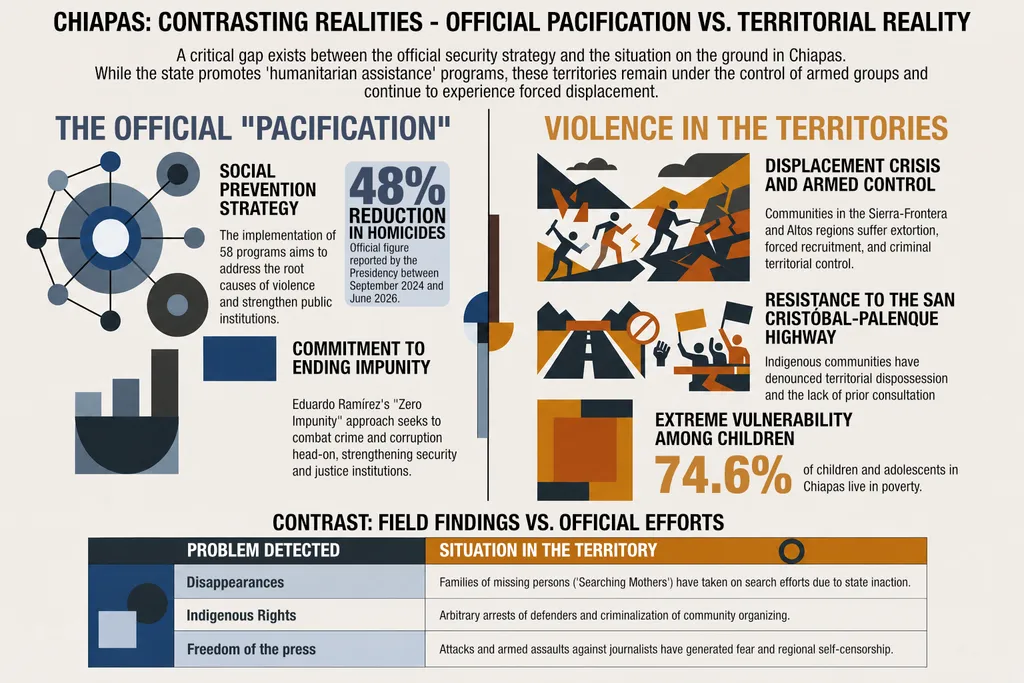
On the issue of security, Claudia Sheinbaum’s administration claimed to have achieved positive results. The Office of the President reported that between September 2024 and June 2026, intentional homicides decreased by 48 percent. However, this reduction coexists with levels of violence that remain high, disappearances, extortion, and the presence of criminal groups. Michoacán continued to be one of the most troubling examples. In July, an alleged criminal leader accused of ordering the murder of Uruapan Mayor Carlos Manzo was arrested. The case raised questions about the state’s ability to control violence and protect officials and citizens.
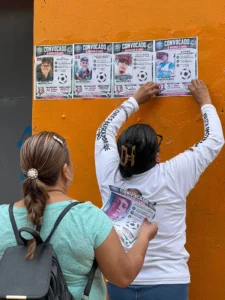
Protests by groups of “Madres Buscadores” (Searching Mothers) during the World Cup, June 2026 © SIPAZ
The major obstacle to making progress in addressing the crisis of disappearances and insecurity remains the pervasive impunity. In this regard, the ongoing transformation of Mexican institutions may prove insufficient. Judicial reform and the popular election of members of the judiciary continue to draw criticism. Organizations such as Human Rights Watch have expressed concern about the potential erosion of judicial independence and pointed out problems related to low voter turnout and the integrity of the judicial election process. In May, the Chamber of Deputies approved a reform proposed by President Claudia Sheinbaum to postpone the next judicial election from 2027 to 2028. The stated objective of the ruling party (Morena) was to prevent it from coinciding with the 2027 federal and local elections, as well as to simplify the ballots, reduce the number of candidates, and establish common criteria for evaluating candidates. The opposition, however, argued that the changes were primarily technical and did not address the underlying problem: the popular election of judges and magistrates. It also warned of potential risks of political manipulation and the involvement of organized crime. At the same time, the dissolution of the National Institute for Transparency, Access to Information, and Protection of Personal Data (INAI) in 2025 and the transfer of its functions to new government structures raised concerns about access to public information. The debate centered on the need to preserve institutional checks and balances against the executive branch and the ruling party.
Journalists, indigenous peoples, and children: among the most vulnerable groups to date
Freedom of expression and privacy also remain at the center of the debate. New regulations for telecommunications and broadcasting have raised questions about their potential impact on freedom of expression. There is also concern about the expansion of the government’s ability to access personal data and the creation of mandatory identity and telephone registries.
The situation for journalists remains particularly dire. Human rights organizations have reported numerous murders and attacks against journalists during Sheinbaum’s administration. Reporters Without Borders noted in July that Mexico remains one of the most dangerous places on the continent to practice journalism, particularly for those working in local media and rural communities. “It’s very hard to come to terms with seven murders in seven months. So many murders in such quick succession leave you a bit stunned. Reporters Without Borders had not recorded such an alarming increase in the murders of journalists in Mexico since 2011 or 2012.” For RSF, this situation reflects a “total failure” on the part of Mexican authorities to guarantee the safety of the press, especially those working in local media and in rural communities in the south of the country.
The murder of journalist Alejandro Leyva Aguilar in Oaxaca in July was also cited as part of a troubling rise in homicides targeting journalists. Article 19 has also documented several murders since the current administration took office. This violence is linked to issues such as organized crime, corruption, and impunity, but it also directly affects society’s right to know about and report on what is happening in regions where criminal groups operate.
Indigenous communities also continue to face serious problems. The Fray Bartolomé de Las Casas Human Rights Center (Frayba) documented an increase in attacks, threats, murders, forced displacements, and criminalization in indigenous communities in Guerrero, Michoacán, and Chiapas. Many of these conflicts are related to disputes over land and territory, as well as to infrastructure, mining, tourism, and natural resource extraction projects. The communities question why these projects are being carried out without fully respecting their right to free, prior, and informed consultation.
In August, the consultation process began to draft a new General Law on the Rights of Indigenous and Afro-Mexican Peoples. The government maintained that the consultation would allow for the direct incorporation of the communities’ proposals, especially regarding autonomy, territory, cultural heritage, and self-determination. However, some communities questioned the timeline and methodology, arguing that they do not align with their traditional forms of deliberation.
At the same time, the National Indigenous Congress (CNI) continued to organize assemblies to strengthen the defense of territory and water. Communities denounced projects such as dams, mining, gas pipelines, industrial parks, and water infrastructure projects. They also questioned certain government programs, arguing that they could create internal divisions and increase dependence on the state.
Finally, the situation of children and adolescents also poses a significant challenge. Between January and April 2026, more than 52,000 minors were victims of violence or other crimes, according to data from REDIM and the Executive Secretariat of the National Public Security System. Among the main crimes were domestic violence and sexual offenses, with the latter having a particularly high impact on adolescent girls. Cases related to homicide, human trafficking, kidnapping, extortion, and organized crime were also reported. Although some indicators improved compared to the same period in 2025—such as femicides and homicides of minors—the figures remain concerning. Sexual offenses were particularly prevalent in states such as Jalisco, Mexico City, and Veracruz, while domestic violence was most prominent in Mexico City, Nuevo León, and the State of Mexico.
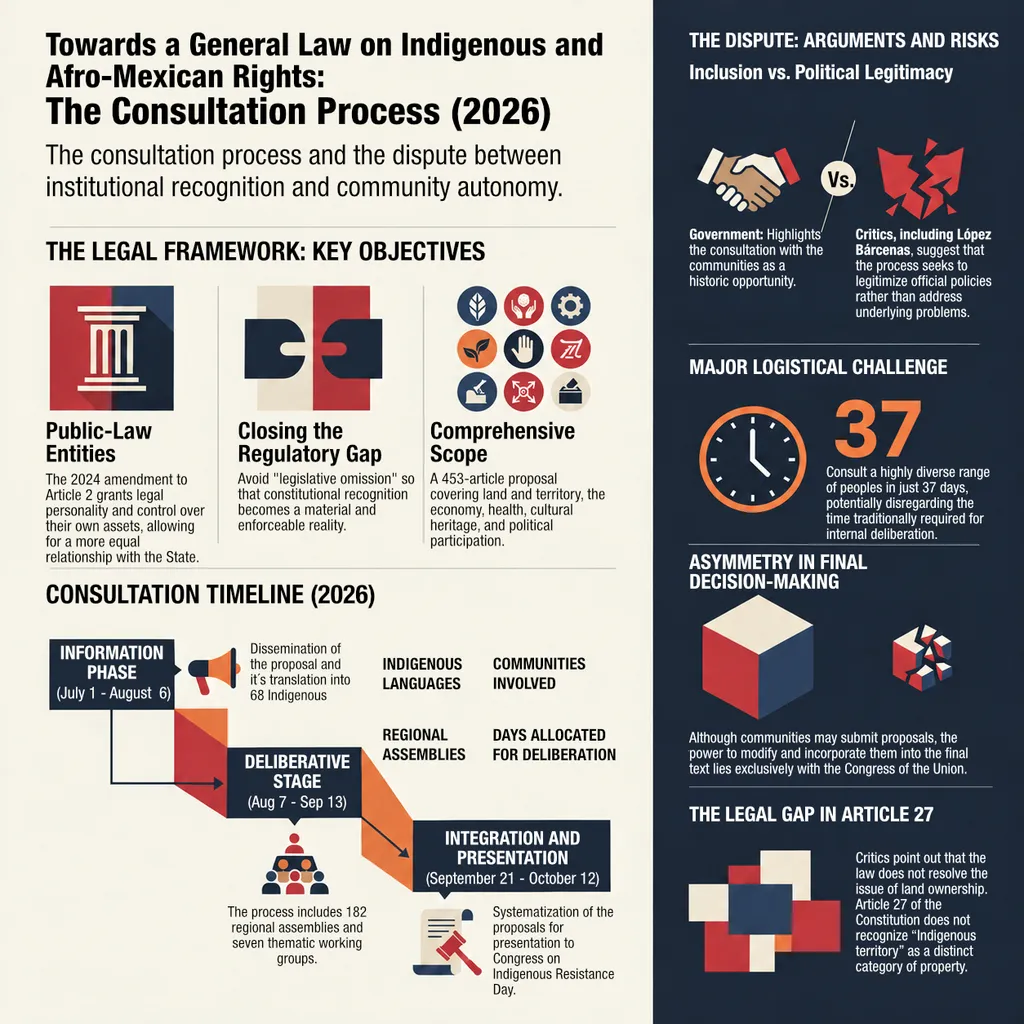
Infographic created with AI assistance – NotebookLM+ChatGPT © SIPAZ
Chiapas: Between Official “Pacification” and Violence in the Territories
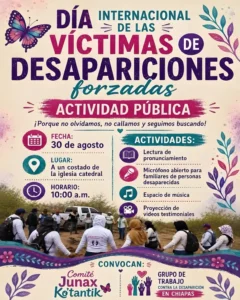
Increased activities by groups of “Madres Buscadores” © Collectives of “Madres Buscadores”
In July, the state government led by Eduardo Ramírez unveiled the second phase of its security strategy, focused on the social prevention of violence. The State Technical Committee for a Humanistic Approach to the Causes and Social Prevention of Violence and Crime was established.
The government announced the strengthening of 58 prevention programs, with the participation of authorities, public institutions, productive sectors, and social organizations. The strategy seeks to address the causes of violence rather than merely reacting to crimes. The governor maintained that there will be no impunity and that prevention must go hand in hand with the direct fight against crime. “There will be no impunity; we will continue to be relentless against those who commit crimes. In this second phase of the security strategy, we will address the root causes, which is why we ask for everyone’s support. Keep in mind that every action we take is intended to improve the lives of the people,” the governor said. For his part, Attorney General Jorge Luis Llaven Abarca affirmed that peace must be built through education, opportunities, and the strengthening of families and communities.
However, over the past three months, Chiapas has been gripped by a crisis of violence, forced displacement, and disappearances, particularly in the Sierra-Frontera and Altos regions. This situation contrasts with the official narrative that the state is moving toward the restoration of security and peace.
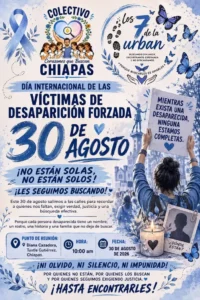
Increased activities by groups of “Madres Buscadores” © Collectives of “Madres Buscadores”
One of the main problems continues to be the forced displacement of indigenous communities. The report “Chiapas, the Unresolved Peace,” presented in May, documented disappearances, displacements, threats, extortion, forced recruitment, and territorial control by armed groups. The organizations believe that the violence has not disappeared and that many communities continue to live in fear. A representative case is the Jotolá ejido in Chilón, where five families had been displaced for six months following an operation in which homes were destroyed, arrests were made, and allegations of torture were reported.
Violence also erupted in the municipalities of Chenalhó and Pantelhó, where political and territorial conflicts persist, as does the presence of armed groups. The murder of Fernando Ruiz Hernández, identified as the founder of the group “El Machete,” sparked new accusations between armed groups and warnings of a possible escalation of violence. In Pantelhó, a security operation carried out in July resulted in the arrest of three people, although residents noted that those primarily responsible for the violence remained at large.
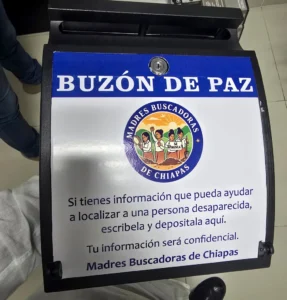
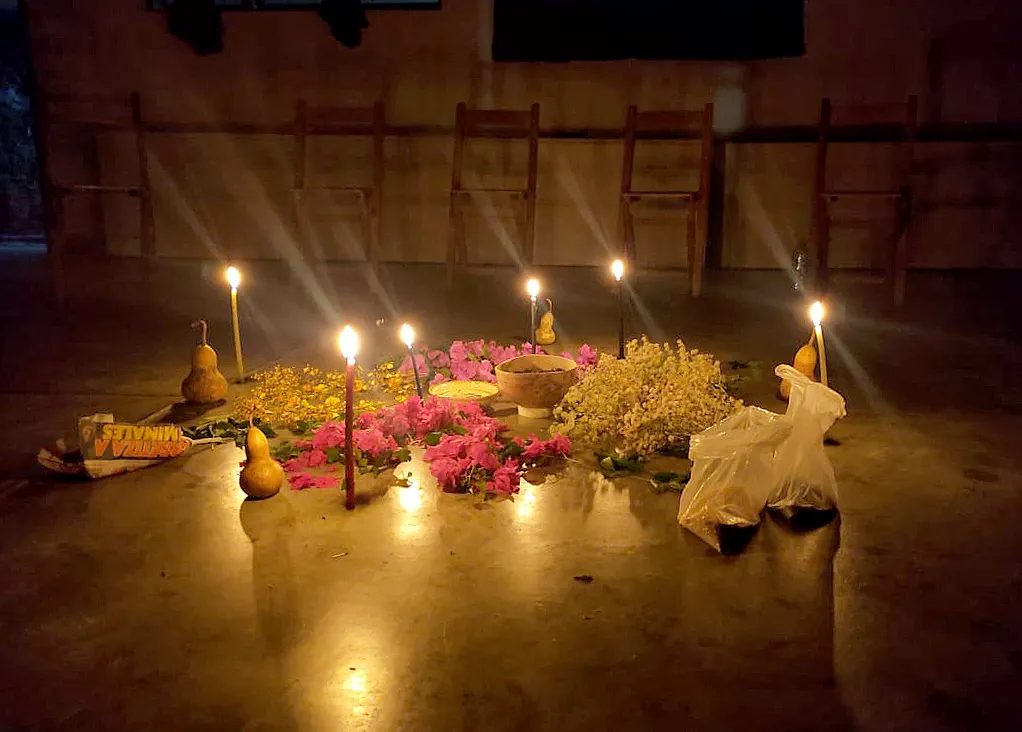
Peace Mailbox © Searching Mothers of Chiapas
Another significant incident occurred in August, when José Alfredo Jiménez Pérez and Eusebio López Guzmán, members of Las Abejas de Acteal, were arrested while participating in a commission to restore electricity service to a sick person. Frayba described the arrests as arbitrary and demanded their release. The State Human Rights Commission initiated an ex officio investigation. The case is of particular importance due to the historic role of Las Abejas in defending indigenous rights and their struggle to obtain justice for the 1997 Acteal massacre.
Enforced disappearances remain another major cause for concern. In May, Madres Buscadoras de Chiapas (“Searching Mothers of Chiapas”) found charred skeletal remains and personal belongings at the El Cedro ranch, near Pujiltic in the municipality of Venustiano Carranza. Subsequently, remains found on other properties in Chiapa de Corzo and 20 de Noviembre were preliminarily linked to several individuals. In response, religious and human rights organizations criticized the fact that families themselves are carrying out search efforts that are the responsibility of the state. The discoveries also call into question the narrative that violence has been brought completely under control.
Meanwhile, violence also targeted journalists. In June, journalist Marcos Carlos Ramos was shot in Cintalapa. The incident sparked protests by journalists in Tuxtla Gutiérrez, who pointed out that such attacks breed fear and self-censorship and undermine the public’s right to be informed.
The situation of children and adolescents remains a cause for concern. REDIM reported that in Chiapas, 74.6% of children and adolescents were living in poverty in 2024, while 33.4% were living in extreme poverty. There is also concern about the recruitment of minors by criminal groups, the true extent of which is difficult to ascertain due to a lack of sufficient official statistics. REDIAS also documented that sexual offenses account for approximately 42% of crimes committed against children and adolescents in the state. The case of a boy who was sexually assaulted in Sabanilla sparked outrage and led to the arrest of four individuals allegedly linked to the incident. In August, a 14-year-old girl from San Juan Chamula was found dead after several days of searching.
Infographic created with AI assistance – NotebookLM+ChatGPT © SIPAZ
Community Organization and Territorial Defense at the Heart of the Alternatives
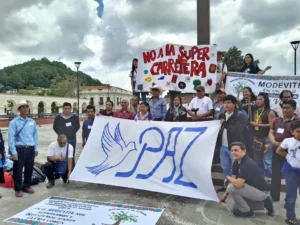
Protest against the San Cristóbal-Palenque highway, July 2026 © SIPAZ
In the face of violence, communities have developed mechanisms for collective organization, territorial defense, autonomy, and solidarity. For indigenous organizations, peace does not consist solely of the end of armed conflict but of being able to live without fear, have access to justice, preserve their territory, and lead a life of dignity.
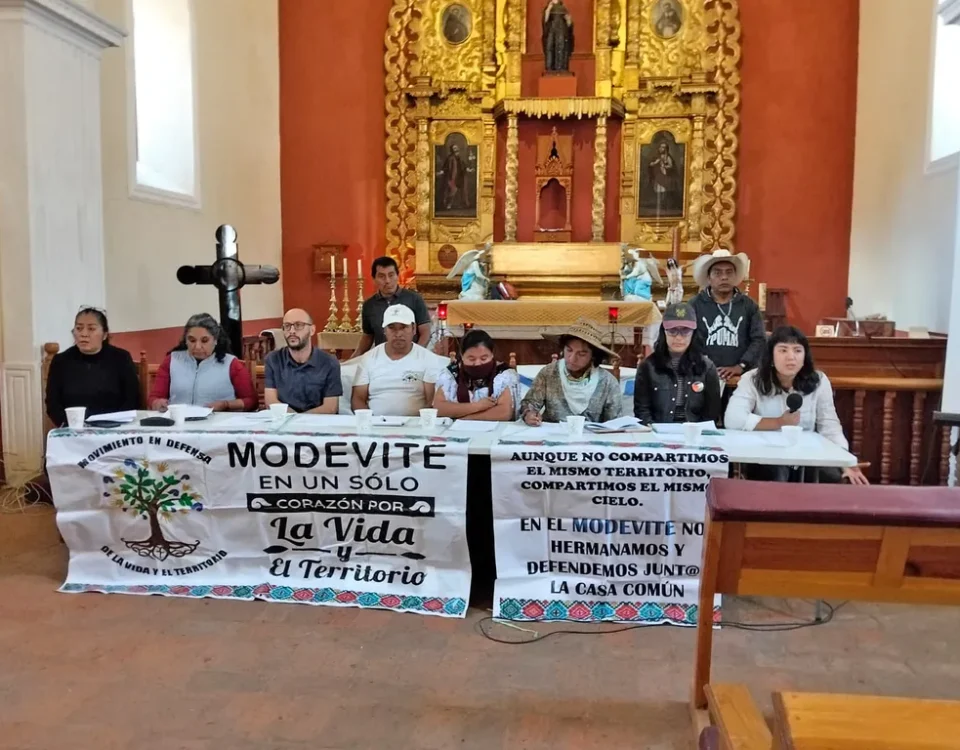
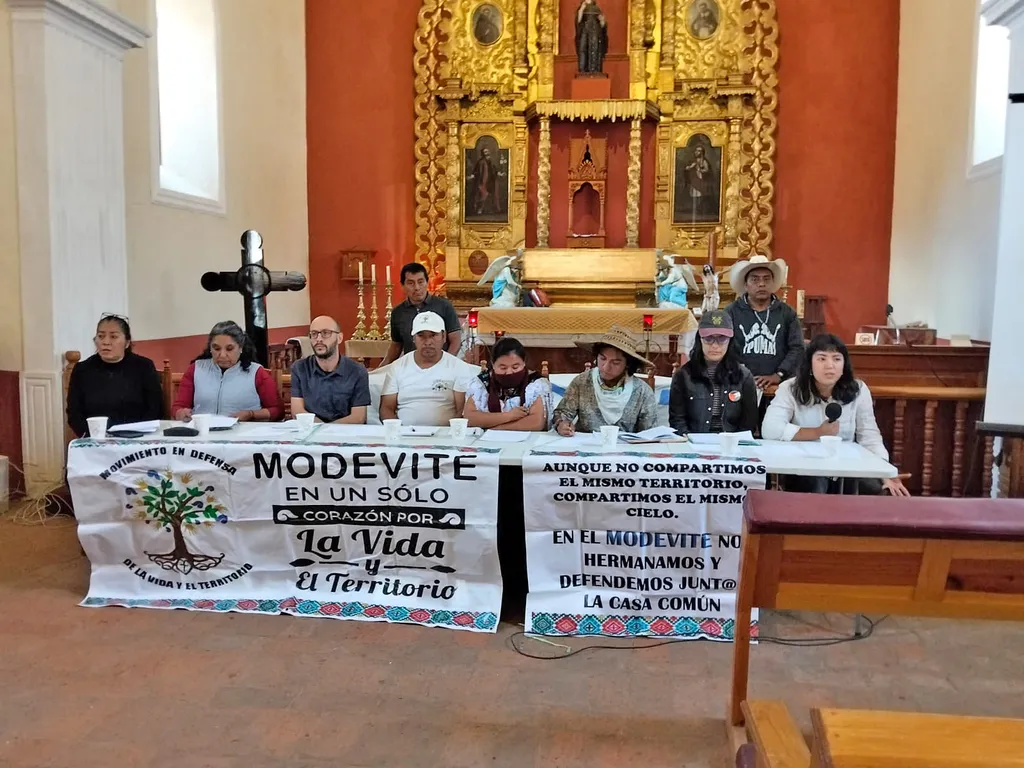
In July, various organizations and communities came together to build alternatives for peace following the attack in Nicolás Ruiz, which left three people dead and one missing. They demanded justice, security, and the safe return of Ángel Jiménez López, a Tseltal Indigenous man who has been missing since April. They denounced that infrastructure megaprojects can exacerbate territorial conflicts and called for respect for the self-determination of Indigenous peoples.
Also in July, Frayba reported attacks and threats against members of the CNI in Ocosingo, Teopisca, Chilón, and Salto de Agua. In Ocosingo, reports emerged of pressure and dispossession targeting merchants linked to the CNI. In San Francisco, Teopisca communities rejected a highway that could affect sacred sites, springs, and natural resources. In Jotolá, forced displacement and criminalization continue, while in Agua Clara and Salto de Agua, threats related to land conflicts have increased.
One of the main territorial conflicts in the state involves the construction of the San Cristóbal-Palenque highway. In July, indigenous communities and social organizations reported irregularities in the consultation processes and stated that workers had entered land to take measurements without authorization. “The construction of the Palenque-San Cristóbal highway, called the ‘Route of the Mayan Cultures’ (…) is legally unacceptable, since the authorities have conducted consultations without prior notice, and these consultations were neither free nor informed,” they declared. They also denounced the destruction of forests, jungle, springs, and mountains, and accused the construction companies of “intimidation through various acts of harassment and actions that violate our rights, seeking to weaken the defense of our Mother Earth.” They further warned that the project seeks to “tear apart the community fabric that we, as peoples, have cared for over generations,” pitting community members against one another for “interests unrelated to the common good.”
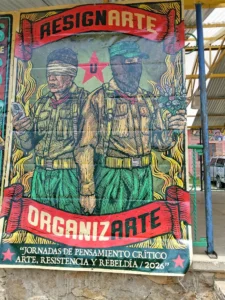
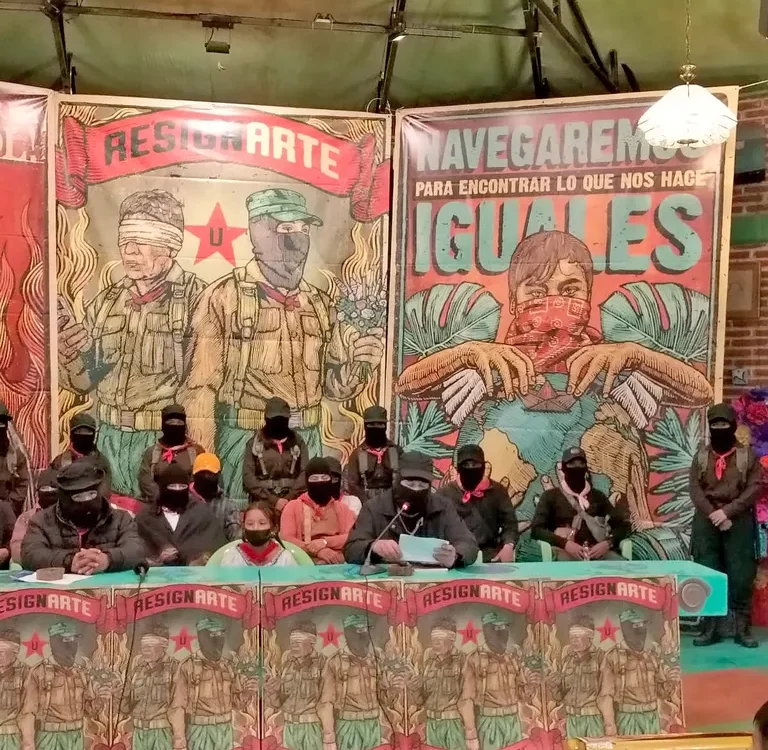
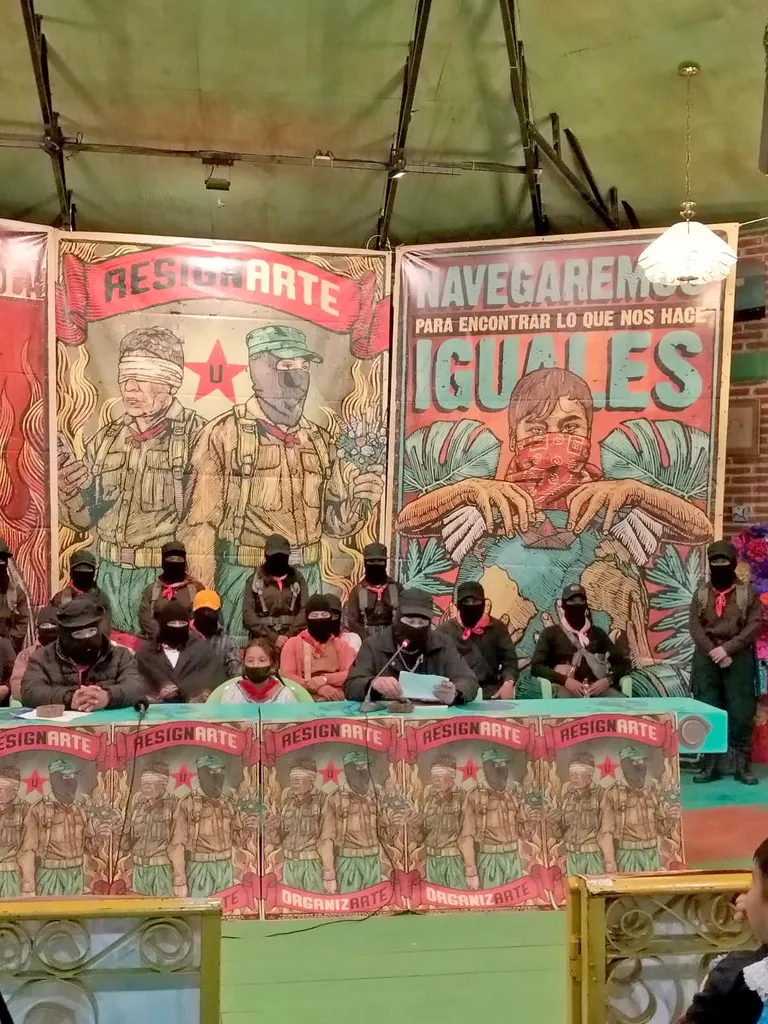
Resignarte © SIPAZ
In August, the Believing People of Bachajón organized a pilgrimage—with the participation of around 600 communities—during which they once again rejected the highway known as the “Route of the Mayan Cultures.” They denounced environmental impacts, intimidation, and consultations that, according to the communities, have not been free, prior, or informed. The conflict reflects a fundamental difference between the government and the communities: for the authorities, the infrastructure represents development and connectivity; for numerous indigenous peoples, there is a risk of territorial dispossession and environmental and cultural destruction.
The Zapatista Army of National Liberation (EZLN) maintained intense political and organizational activity. From July 20 to 25, it held the “War Against Humanity” gathering in San Cristóbal de Las Casas, with more than 700 participants from 31 countries. The gathering addressed war, capitalism, forced disappearances, displacement, environmental destruction, and megaprojects. For the EZLN, these phenomena are part of the same dynamic of dispossession and exploitation.
The Zapatista main proposal today consists of strengthening community organization, autonomy, the defense of territory, the care of nature, and cooperation, rather than relying exclusively on governments, political parties, or institutions. In addition, the EZLN announced that in December 2026, a delegation will travel to Mexico City to meet with collectives of families of the disappeared and listen to their demands for truth and justice. It also proposed a march under the slogan “All struggles and one common demand: truth and justice for the missing.”