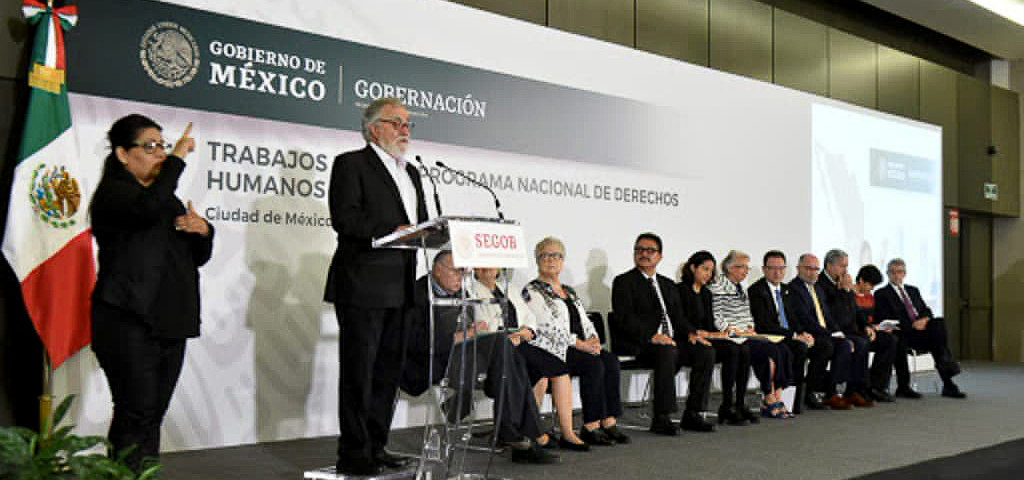
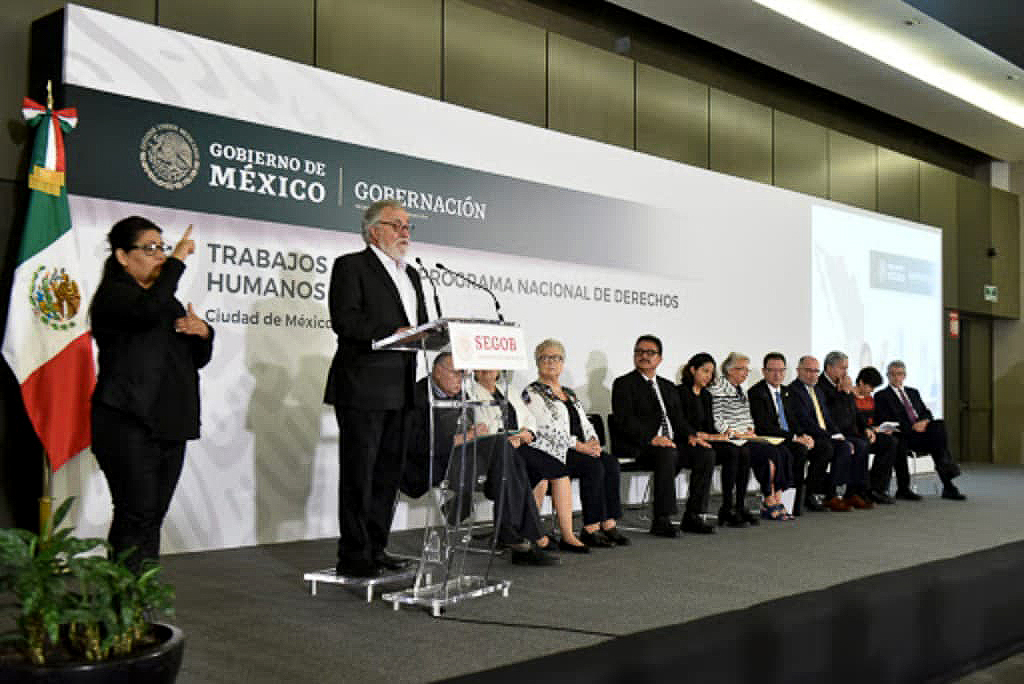
On December 10th, on the occasion of International Human Rights Day, the Report “Second Year, A New Human Rights Policy and Presentation of the National Human Rights Program” was presented by the Ministry of the Interior.
In August, Mike Ryan, director of the World Health Organization (WHO) Health Emergencies Depart-ment, pointed out that the magnitude of the COVID-19 pandemic could be underestimated in Mexico due to the low number of tests carried out.
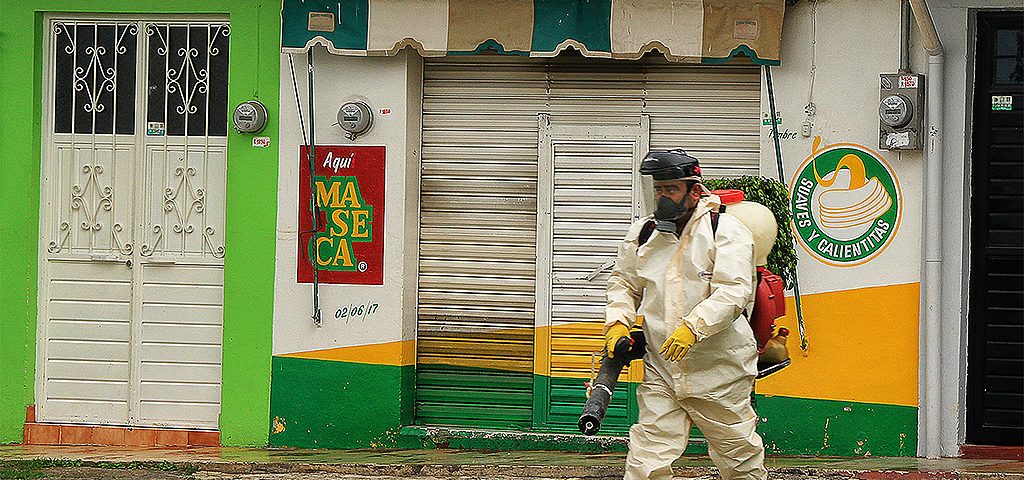
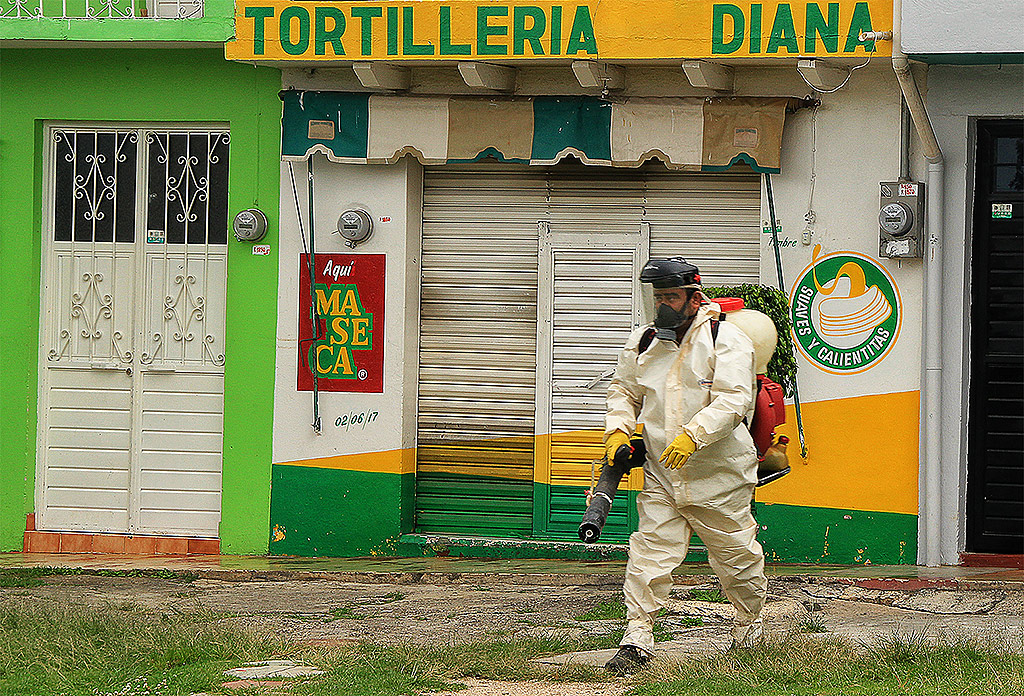
Much of the little that has been published in the national media about Chiapas since the beginning of the COVID-19 pandemic has been sensationalist news about attacks against health personnel, in addition to attacks on personnel from other agencies, among other violent actions, due to the suspicion that by sanitizing, they would be spreading the coronavirus.
On July 1st of this year, the free trade agreement between Mexico, the United States and Canada, known as USMCA, came into force, an update of the North American Free Trade Agreement (NAFTA) that was signed 26 years ago.
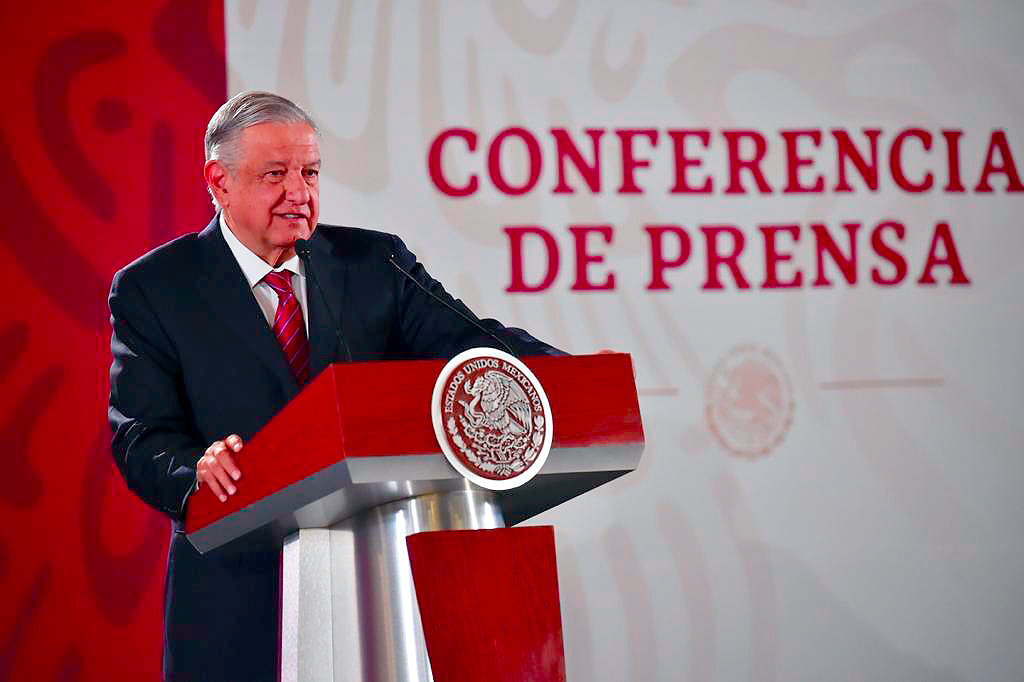
In April, President Andres Manuel Lopez Obrador (AMLO) presented his fifth quarterly report. Facing the COVID-19 pandemic, he reported that this year there will be 22 million beneficiaries of the different social programs and that in nine months two million new jobs will be created, among others by the Sembrando Vida (Sowing Life) program.
National and international solidarity has been able to take many forms at different times, in different locations, and in different situations of conflict
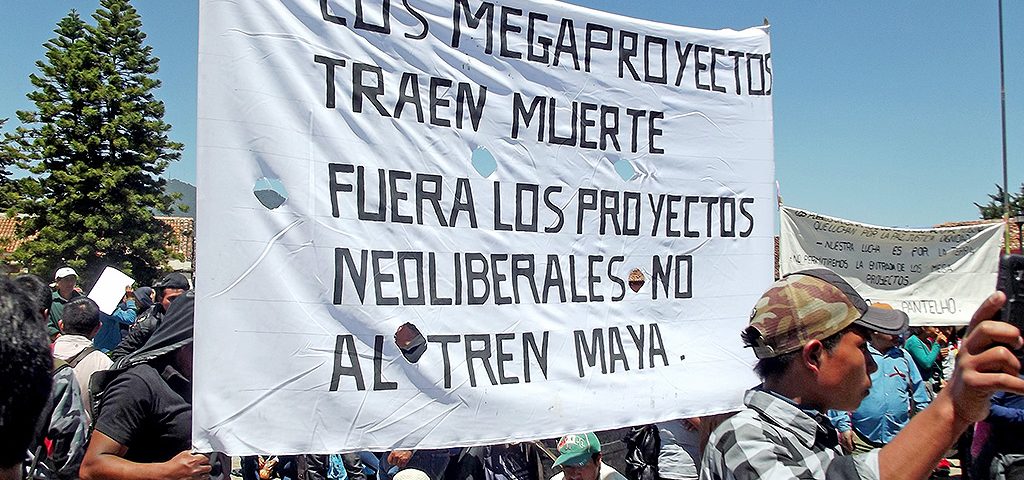
During the first years of the 16th century, the Spanish conquistador Hernan Cortes made multiple expeditions to find the best way to move merchandise and raw materials to Spain.
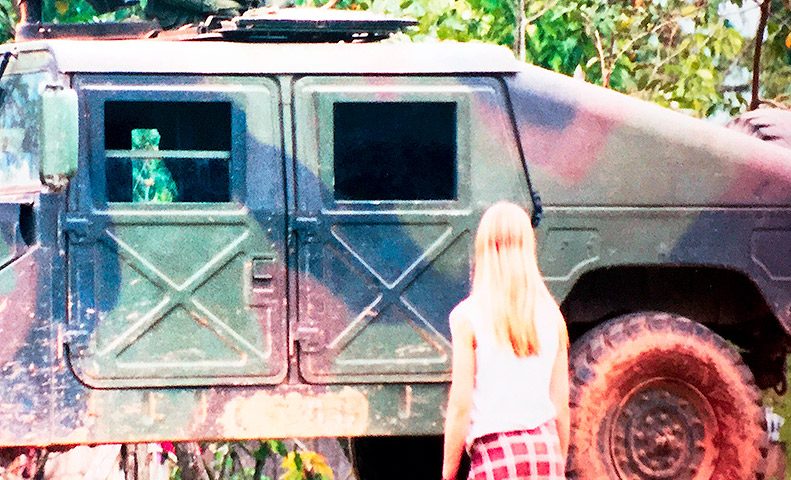
September marked three months since the governments of Andres Manuel Lopez Obrador (AMLO) and Donald Trump reached an agreement in which Mexico undertook measures to lower the level of migration that crosses its territory to reach the United States.